
Whale Watching Exploration: Hidden Challenges Beneath the Waves – When Sonar Meets Migration
Whale watching is one of those rare nature experiences that can transform the way you think about the ocean. In Paths & Patterns, my series on following the rhythms of nature and uncovering the stories beneath the surface, this adventure gave me a front-row seat to the whales’ migration and the hidden pressures they face. It’s not just about sightings; it’s about understanding the rhythm of migration. The delicacy of marine ecosystems, and the often unseen forces that shape these majestic giants’ journeys.
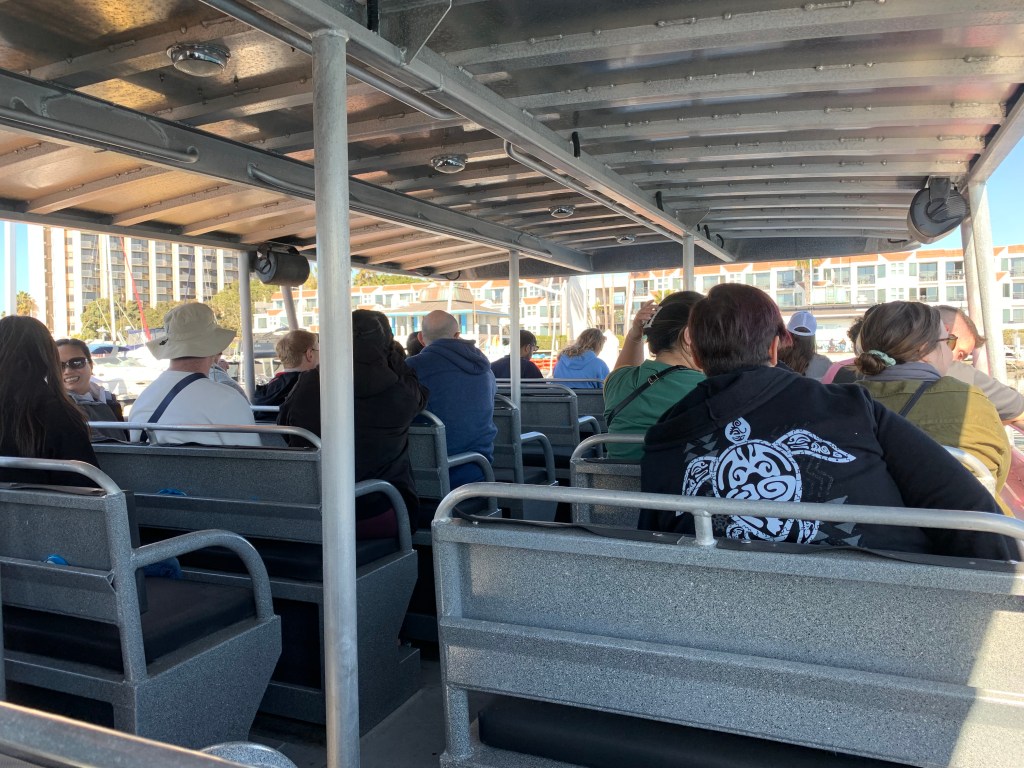
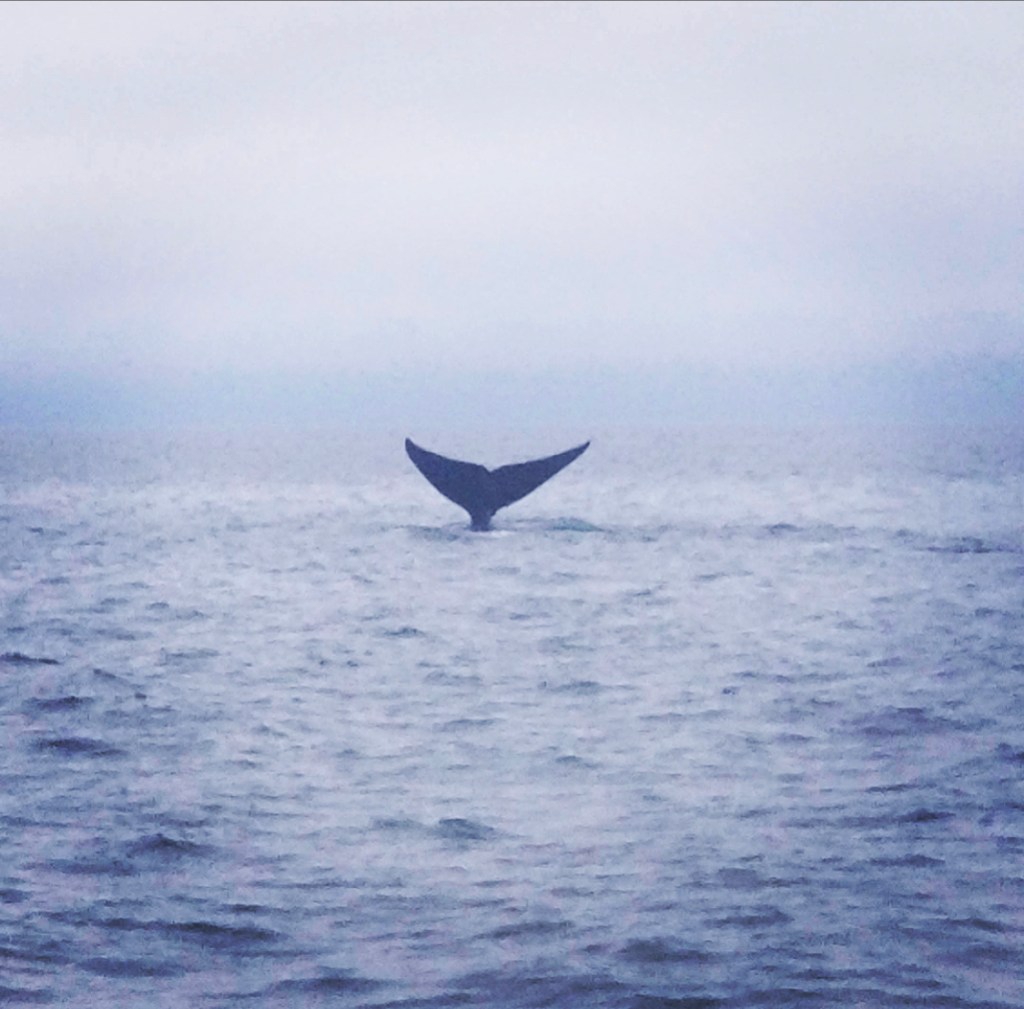
On our day out of San Diego’s Mission Bay, we boarded one of the fastest vessels on the water, the Hana Hou. Having been whale watching countless times before, and never experiencing anything quite like this, we knew early on this outing was different. This high-speed power catamaran cruises at over 30 mph, covering more ocean and improving sighting chances. We were treated to a few gray whales migrating south, playful dolphins, and sun-bathing sea lions. A vivid reminder of how dynamic and rich these waters can be when conditions align.
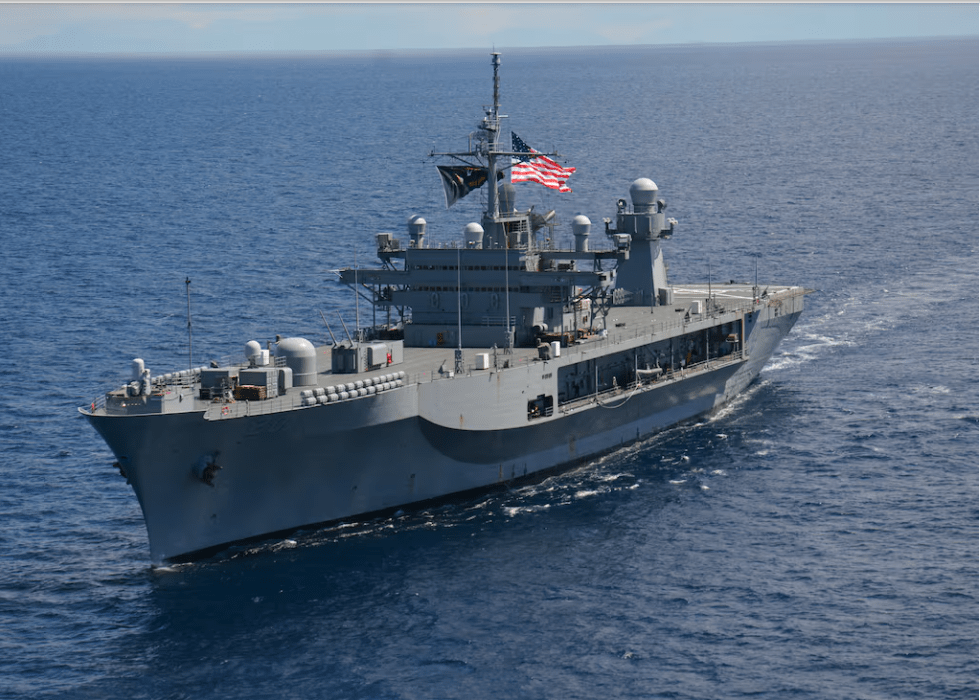
But the peaceful picture wasn’t the whole story. As we watched a U.S. Navy warship operating surprisingly close to shore, I had a realization. I thought about the broader pressures whales face. These pressures come not just from nature, but from human activity.
When Sonar Meets Migration: What the Law Says
Whales rely on sound for communication, navigation, feeding, and migration. Yet military sonar, particularly mid-frequency active (MFA) sonar, produces intense underwater noise that can disrupt these behaviors, sometimes with profound consequences. As we watched, the sonar signal we could hear with our human ears was no doubt magnified beneath the ocean, knocking the whales off their migration route and even turning them back north instead of their intended southbound path.
Under U.S. law, the Marine Mammal Protection Act (MMPA) and other regulations govern activities that might incidentally impact marine mammals. The National Oceanic and Atmospheric Administration (NOAA) Fisheries issues Incidental Take Authorizations (ITAs), which allow limited and unavoidable harm—such as disturbance or injury—during training and testing while still requiring measures to minimize those effects.
After witnessing the gray whales’ confusion firsthand, it’s easy to see why environmental groups have fought for stronger constraints on Navy sonar. In Southern California, legal settlements now prohibit mid-frequency active sonar in key feeding and habitat areas, such as between Santa Catalina and San Nicolas Islands and near San Diego’s whale feeding grounds.
Laws Whale Watchers Should Know
It’s not just Navy sonar that matters. Commercial and recreational boaters are regulated, too. The federal government, through NOAA Fisheries and the MMPA, prohibits actions that harass or disturb marine mammals, including approaching them too closely or causing them to change their natural behavior.
Vessels like the one we were traveling on are generally expected to maintain respectful distances, often hundreds of yards depending on species and location. The vessels avoid pursuing or encircling animals. Once our captain realized the whales were being turned around, we left the area to give them space to return to their intended path. These guidelines are more than etiquette; they’re enforceable under federal law, and reporting violations can help protect these magnificent creatures.
Whale & Wildlife Expeditions: Options From Budget to Premium
If you’re planning your own whale watching expedition, whether in San Diego or another coastal destination, there’s a wide spectrum of tours depending on budget, duration, and how deep you want the experience to be:
- Budget-Friendly Voyages ($60–$75)
City Cruises whale watching tours typically range from $60 to $75 for a standard 2–2.5-hour trip.
TIP: Check other local operators offering short trips. Shorter trips give you a taste of migration without breaking the bank.
2. High-Speed & Small Group Experiences ($60–$110+) Gone Whale Watching’s Hana Hou offers fast, small-group tours starting around $60, with more intimate encounters thanks to less crowded vessels.
3. Extended & Premium Expeditions ($190–$325)
Longer, 5-hour or extended whale watching and offshore wildlife tours—often during peak blue whale season—can cost $190–$325 per person
For a practical checklist to make the most of your whale watching adventure, check out my free downloadable [Fathom the Journey – Whale Watching Exploration Guide below], designed to help you see more, stay safe, and fully enjoy the journey.
Final Thoughts: Whales, Waves, and What We Leave Behind
Whale watching is more than a bucket-list activity. It’s a front-row seat to the vulnerability and resilience of some of the planet’s most magnificent creatures. Beyond the whale blows, deep dives, and playful dolphins, we get a glimpse of the complex pressures these animals navigate every day.
In Paths & Patterns, I focus on observing these rhythms, whether in whales, birds, or other wildlife that are affected by human activity, to better understand the delicate balance of marine and wildlife ecosystems. On that San Diego day, watching gray whales glide through the Pacific while a Navy ship loomed nearby was a moment of wonder and reflection.
This is more than a single adventure, it’s part of the Fathom the Journey ethos: where every trip is a story, and every experience is an opportunity to connect, reflect, and explore.

 Sharonda Shariee
Love the layout the whale video and colorful signs are such a vibe. The library section can’t go unnoticed either, you can really see all the hard work you put into this. You really did that🔥
LikeLiked by 1 person
Thank you, appreciate the feedback!
LikeLike
Wow! Who knew that the whales are disturbed by the warships . This is great information. This information is well needed. Thanks Sharonda for your hard work gathering the information.
LikeLiked by 1 person