The Bookish Shop, Gilbert, AZ: Bookstore, Coffee & a Great Meet-Up Spot
I walked into Bookish Shop expecting hushed corners and a slow afternoon with a book. That is not what Bookish is. And I want you to know that before you go, so you walk in wanting what it actually gives.
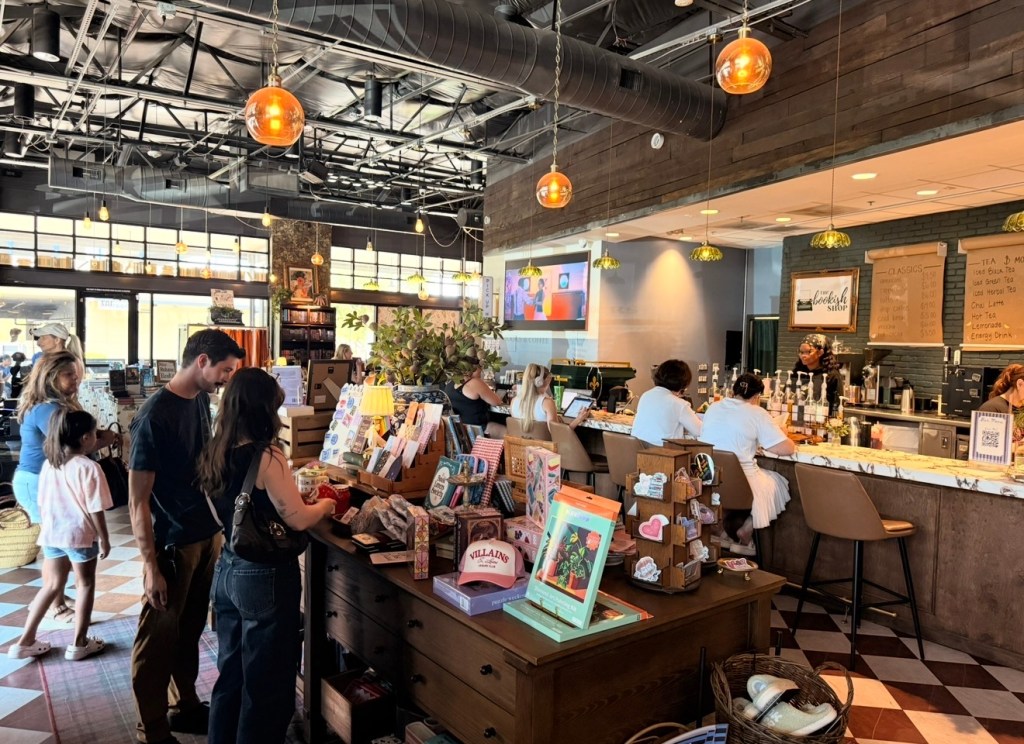
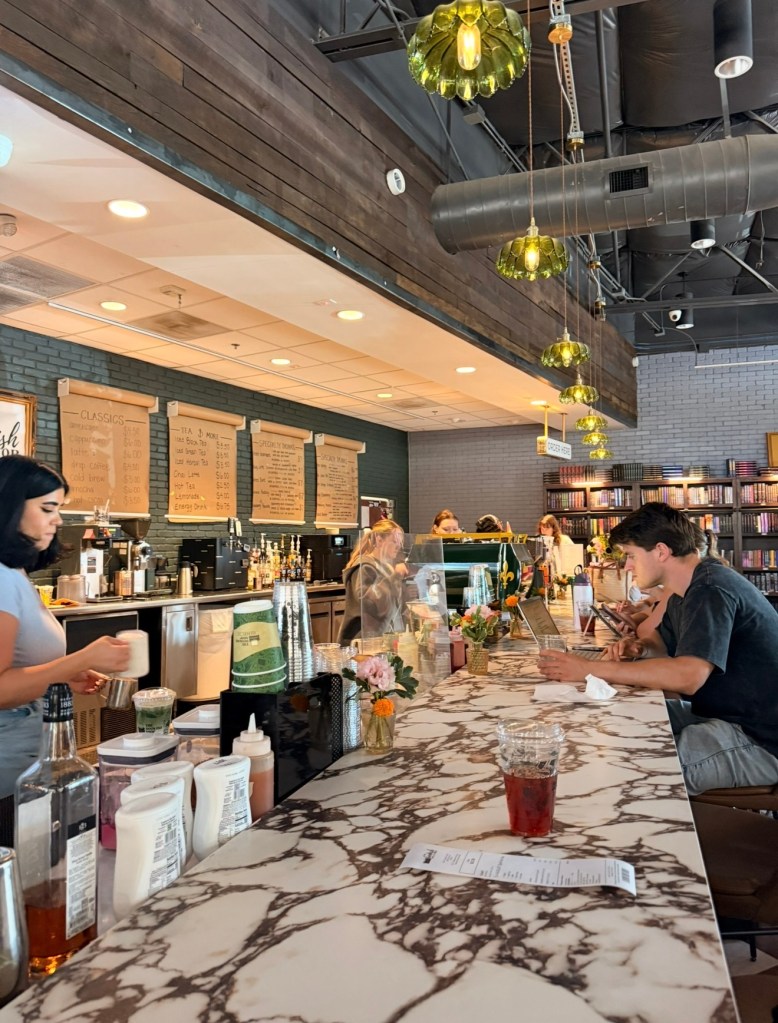
The Bookish Shop Retail and Coffee Bar
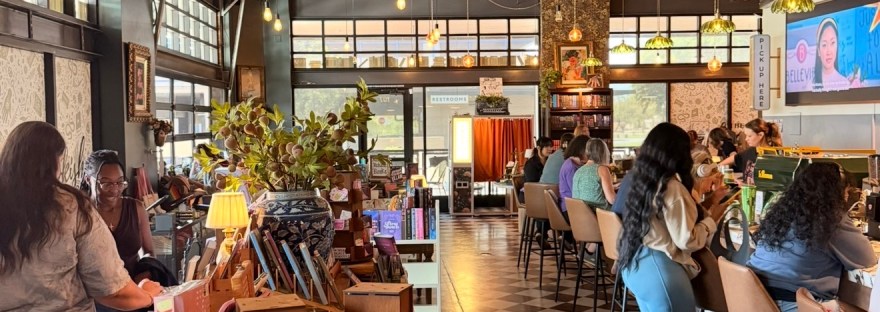
The place is small. It is also busy, and genuinely bustling in a way I didn’t expect from a bookstore this new. People are meeting up, catching up, working, ordering. It moves. If you’ve been picturing the quaint, quiet bookstore-café where you sink into a chair and disappear for two hours, adjust the picture now. This is a gathering place, not a hideaway.
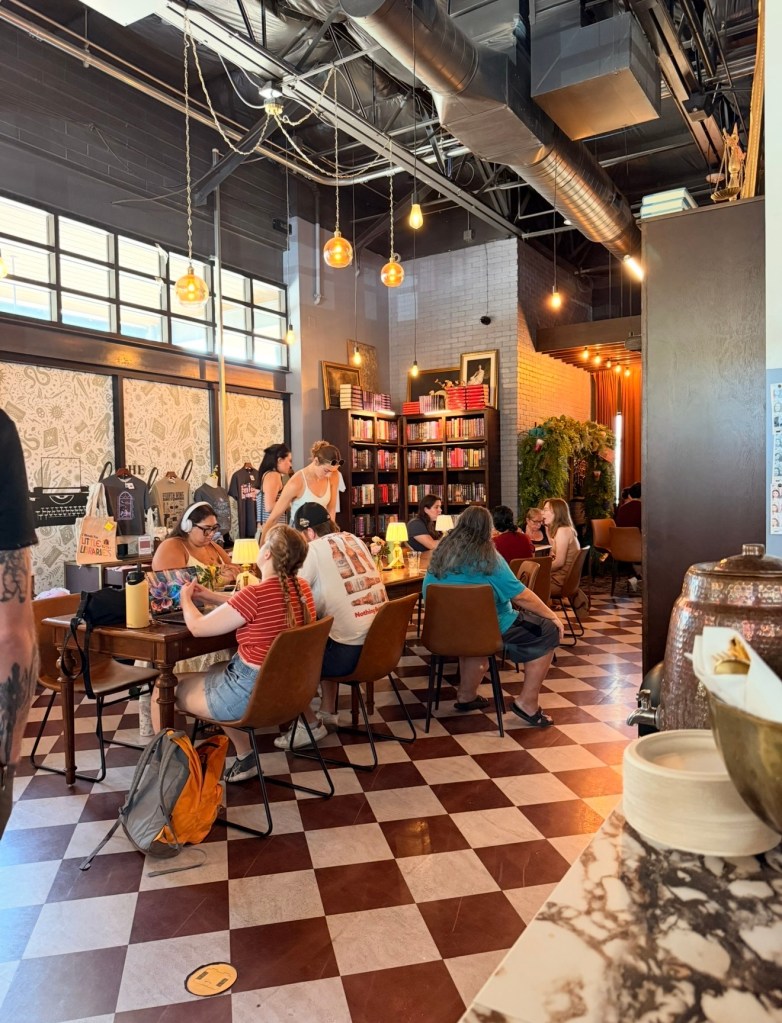
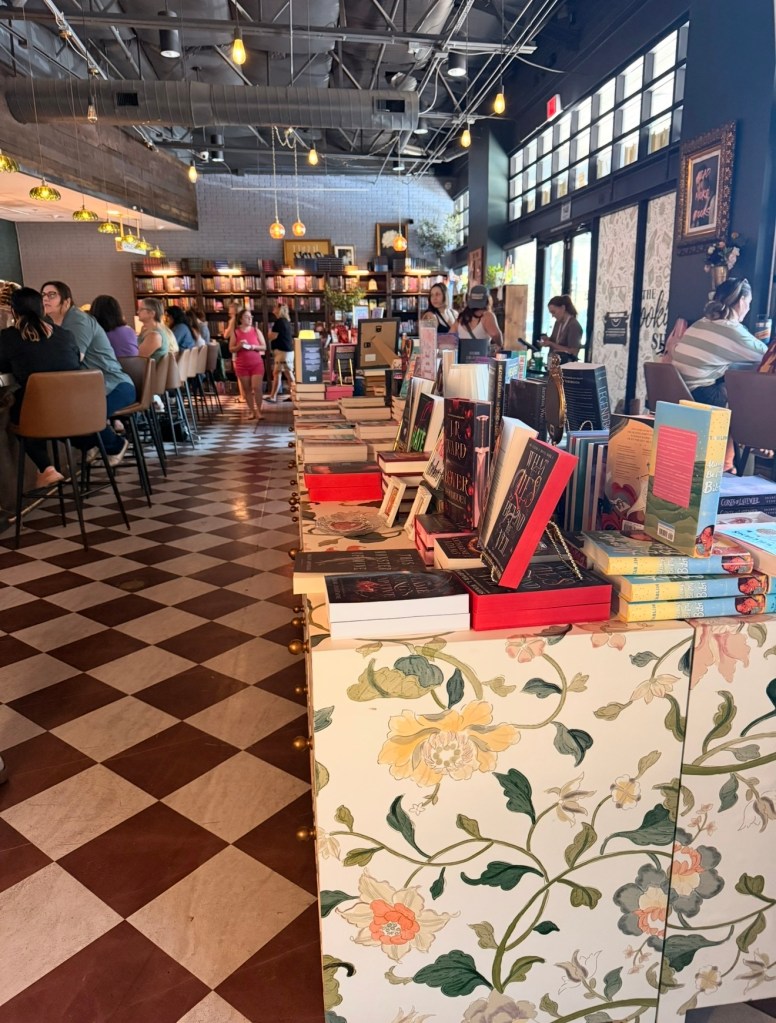
The Bookish Shop Meeting Space-Gilbert, AZ
Which, honestly, is its own kind of good — as long as you know that going in.
What Bookish Actually Is
It’s one of the best meet-up spots I’ve come across in downtown Gilbert, exactly because it’s lively. Bring a friend. Grab coffee. Browse shelves between sentences of conversation. You can absolutely buy books here, and you can post up and work. Just know you’re doing it inside a room with real traffic, not a library.
The coffee menu is simple, not a sprawling specialty operation, and there’s a small case of baked goods to go with it. There’s also an outdoor area, which in Arizona is a gift, roughly six months out of the year when the weather is not sauna. When the temperature is being kind, the patio is where I’d want to be.
The Bookish Shop Cafe-Gilbert, AZ
The Shelves Are Where Bookish Won Me Over
Here’s the part that made me want to write this at all.
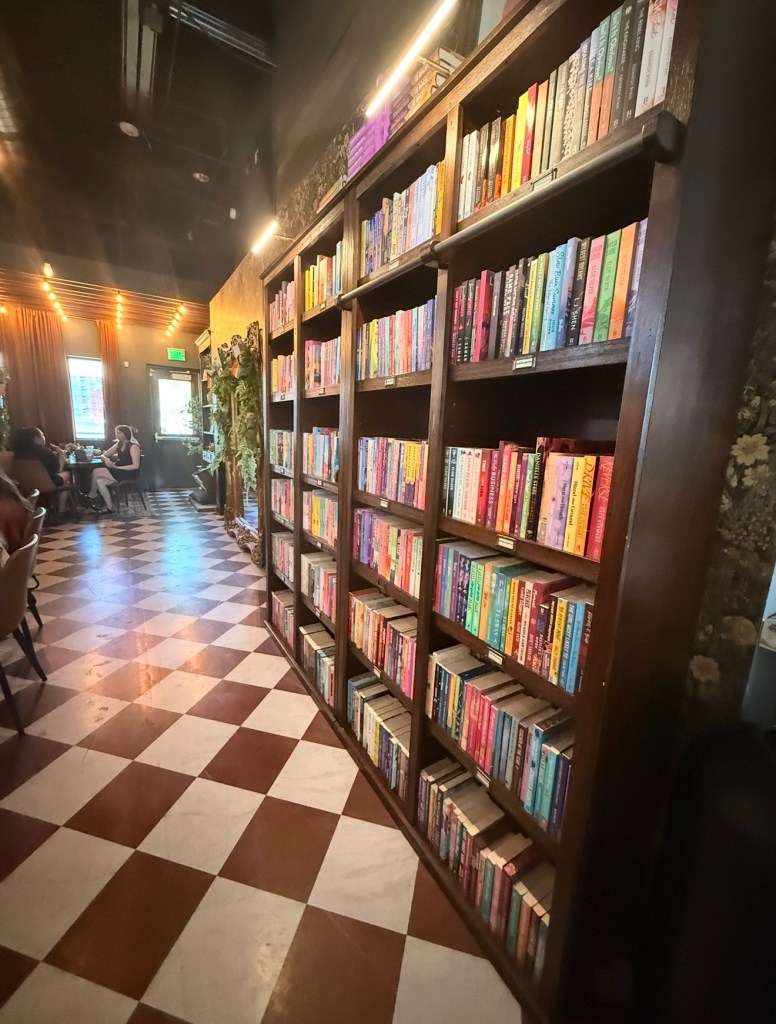
Bookish Shop stocks authors I actually want to see stocked. I found Kennedy Ryan, Jasmine Guillory, Tracy Deonn, Tia Williams, H.M. Wolfe — Black authors given real shelf space, not tucked into a single token display. For a small, new store to be intentional about that tells you something about who’s curating it and who they’re building for. The space is also LGBT-friendly, and that welcome is part of why it feels the way it does inside.
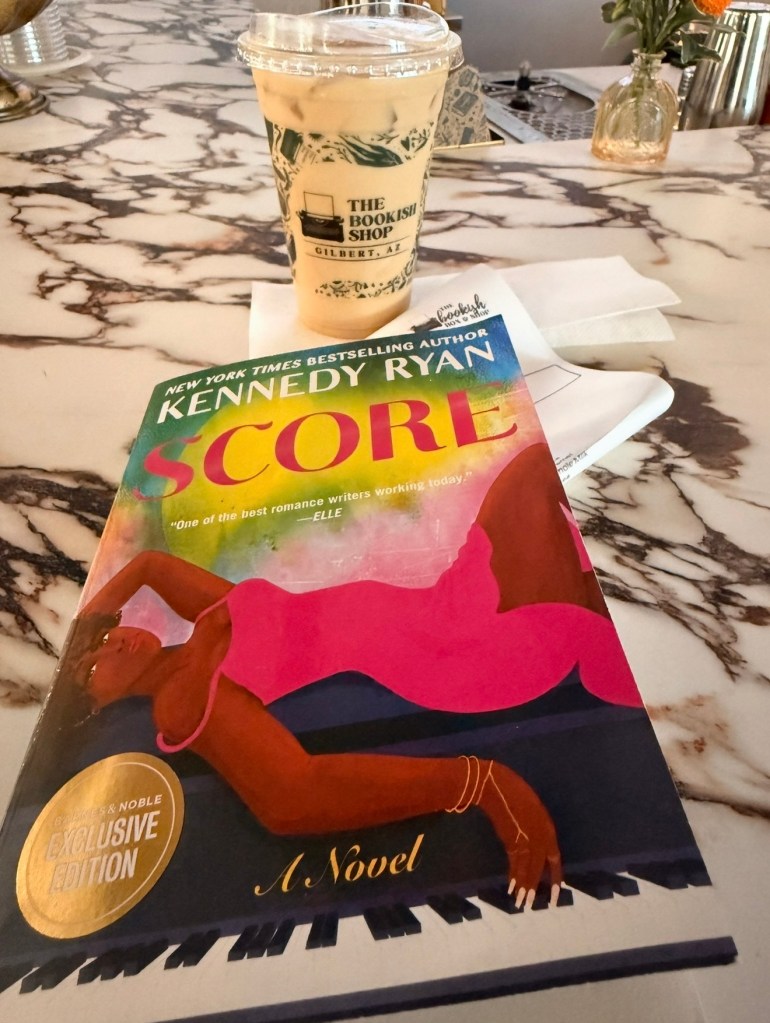
Score by Kennedy Ryan & A Bookish Shop Vanilla Latte
A bookstore tells you what it values by what it puts within arm’s reach. Bookish Shop is showing you who they are in the best way.
The Bookish Shop Book Selection that Included Black Authors-Gilbert, AZ
Field Notes — Before You Go
The vibe: Busy and social, not quiet. Perfect for meeting friends; manage your expectations if you came to read in silence.
Coffee & food: Simple coffee menu, small case of baked goods. The coffee bar is a big part of the foot traffic.
Work-friendly? Yes, but it’s high-traffic. Bring headphones and don’t count on a dead-silent corner.
Outdoors: There’s an outdoor area — lovely when Arizona weather allows.
Location: Downtown Gilbert, which is a busy district in its own right.
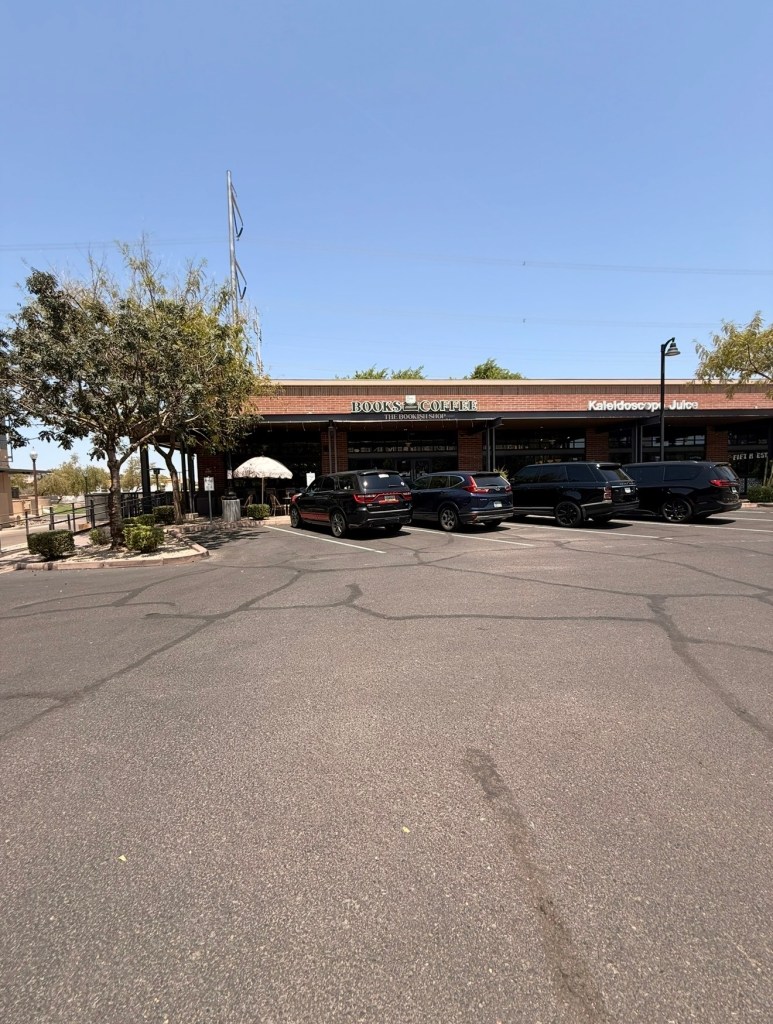
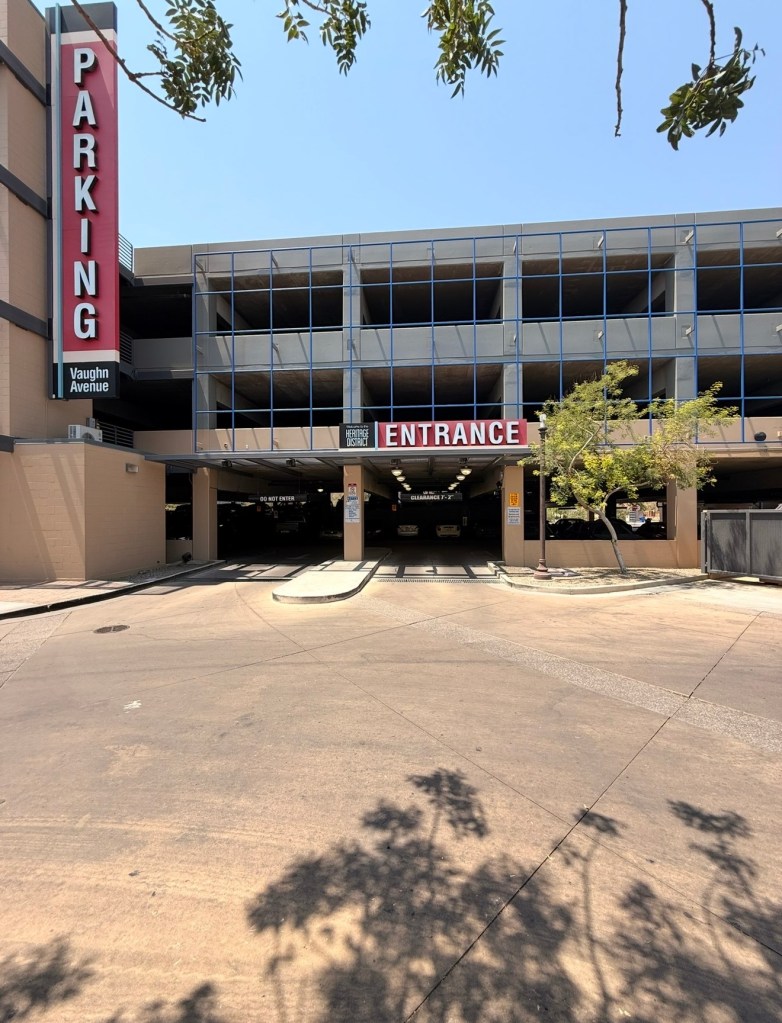
Parking: The store’s lot is small, and shared with other businesses. There’s a free parking garage in the same vicinity — use it and save yourself the circling.
Come for: Buying books, meeting up, a curated shelf that actually represents.
The Bookish Shop Display-Gilbert, AZ
The Bookish Shop isn’t trying to be a quiet escape. It’s trying to be a place people come to, and it is. Go knowing that, and it delivers.
Location Visited:
The Bookish Shop 60 W. Vaughn Avenue Gilbert, AZ 85233
We arrived in Napa Valley to fresh, cool, sunny air, and instant sense that this would be a weekend to remember, and indeed it was. This marked the Black Food & Wine Experience’s first year in Napa Valley, after years of calling Oakland home. I can’t speak to how it compares to past years, but there was something fitting about experiencing this milestone shift in a region historically unfamiliar with gatherings like this one. Rolling hills, endless rows of vineyards, and that unmistakable Napa bougie energy set the tone before we even reached the venue.
There was something quietly powerful about it, too. Napa hasn’t historically been a place where Black travelers and creatives gathered in numbers, and for one weekend, that shifted. The event took place at the beautiful, modern, green-spaced Culinary Institute of America at Copia (CIA at Copia). The event space had clean architecture, open-air courtyards, and views that made it clear this wasn’t going to be your average wine and food festival. The space felt as intentional and elevated as the experience itself.
Securing Tickets — Pay Attention To This Part
This is the part you have to be diligent about. I’d been eyeing the Black Food & Wine Experience for the past five years or so, and I watched it sell out every single time. They start advertising a full year in advance, which tells you everything about how in-demand this event has become.
The experience runs an entire weekend, and this year it landed over Juneteenth weekend, which added an extra layer of meaning to the whole affair. Ticket prices vary depending on which event you choose, ranging from $161 for the Grand Tasting After Party to $855 for full weekend, all-access passes. We attended the Grand Tasting – Main Event at $375 per person. Once inside, unlimited wine from local winemakers and food samplings from Bay Area chefs were included in admission, so there was no nickel-and-diming once you were through the doors.
We purchased our tickets eight months in advance, and I highly suggest you do the same, because this event will absolutely sell out. If you’re even remotely considering the 2027 experience, sign up for updates on their website and set a reminder for when tickets drop.
20026 Black Food & Wine Experience Indoor Vibes (Video)
Walking In: An Upscale Block Party
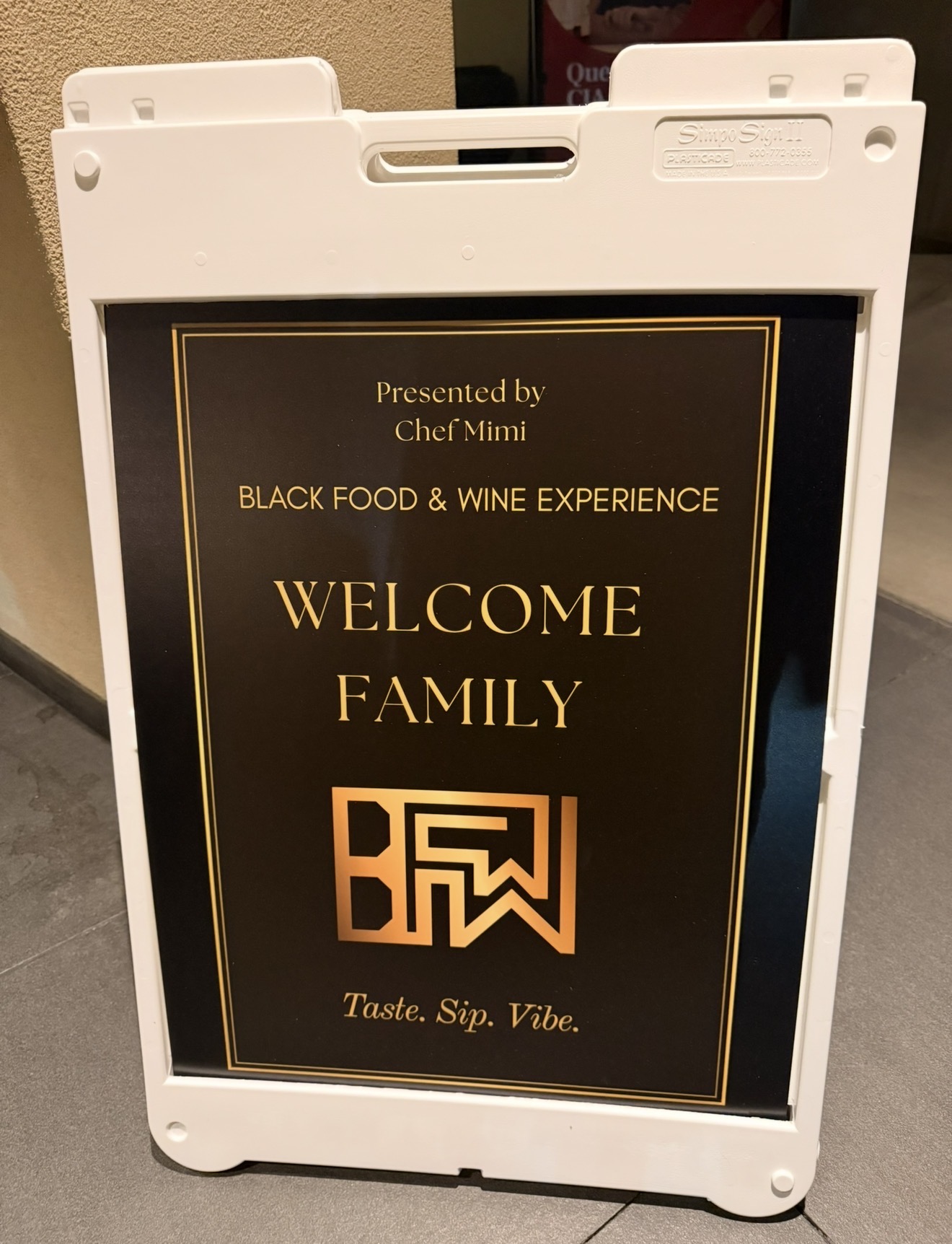
I worried we should have pre-registered, but there were plenty of staff outside CIA at Copia checking tickets and placing wristbands as the line formed, which made for a smooth, seamless entry once the doors opened.
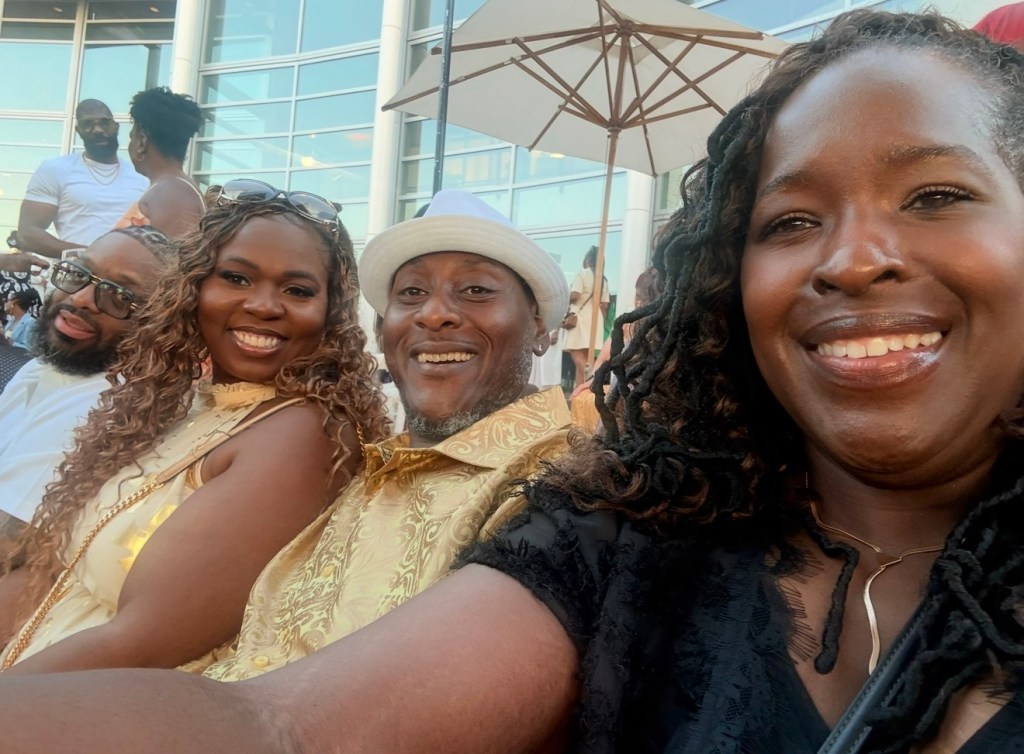
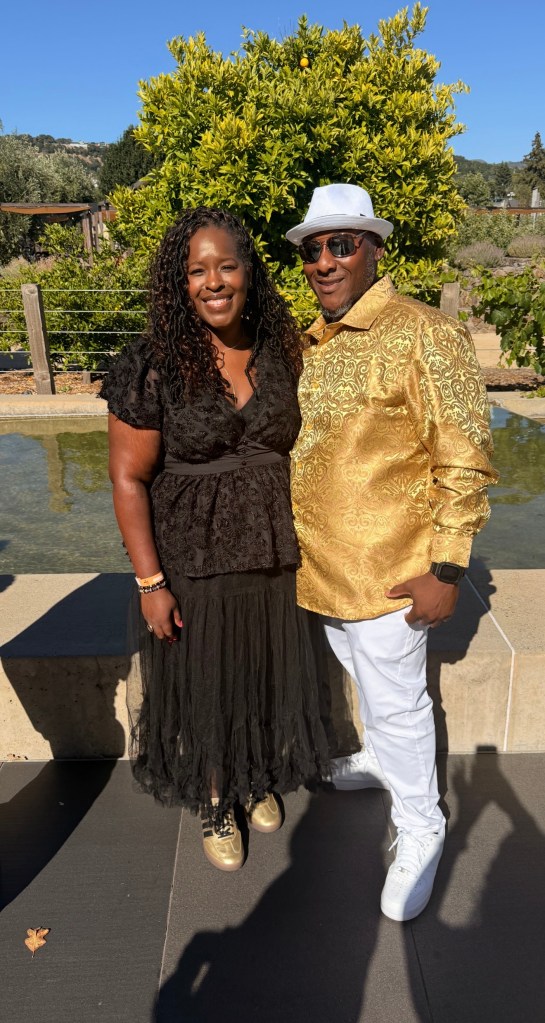
Walking in, the energy was immediate; jazz playing loud enough to notice but not overpowering conversation. The space was filled with vendors showcasing everything from small-batch wines to bite-sized food creations, and attendees leaned all the way into the “dripped in gold” theme: metallic fabrics, gold jewelry stacked high, sleek black, wine, and cream outfits. People came ready to be seen and celebrated.
We sampled and tasted to our hearts’ content, moving from table to table, chatting with winemakers and chefs who were clearly proud to be part of something bigger than a typical tasting. As we made our way to the outdoor amphitheater, a DJ filled the air with 90s and R&B music into the evening, turning the space into something closer to an upscale block party than a wine event. At one point the DJ ran a state-by-state roll call, and the answers kept rolling in… Georgia, Florida, Texas, New York, and on and on. People had come from all over the country for this. The amphitheater lit up state by state, each one hollering when their home got called. You could stay inside among the vendors or head out for the music and dancing in the breezy, crisp air, and honestly, most people did both, drifting back and forth as the night went on.
A Confession About My Camera Roll
Now, if you’ve followed my guides over the years, you know I’m usually your girl for the perfect moment, the right shot, the video you didn’t know you needed. So let me be honest: I barely came home with any of that this time. I got caught up. Trust me, it wasn’t for lack of good moments. It was because I was too busy living inside them to reach for my phone. Honestly, that’s the highest review I can give to 2026 Black Food & Wine Experience.
2026 Black Food & Wine Experience Vibes
The One Thing I’d Change: Seating
The event was positioned as a mingle-and-move affair rather than a sit-down dinner, so I understood the lack of seating in theory. In practice, I was disappointed there was nowhere for general admission to rest, at all. After a few hours of standing, sipping, and socializing, my feet were ready for a break, and I wasn’t alone.
Only VIP ticket holders had a dedicated seating area outside, plus a separate upstairs space inside with their own wine and food offerings, which felt like a noticeable gap at this price point. That said, when I talked with VIP guests through the night, several told me the upgrade wasn’t actually worth it. The separation from the main floor meant missing some of what made the night feel special. To the coordinators’ credit, they eventually opened the grassy areas of the amphitheater to everyone, and that small shift changed the whole feel of the night. People relaxed, spread out on the lawn, and settled in for the line-dancing as the sun went down.
2026 Black Food & Wine Experience Outdoor Vibes
Why It’s Worth Building A Weekend Around
Despite the seating hiccup, the 2026 Black Food & Wine Experience delivered exactly what it promised: incredible food, phenomenal wine, and a community dripped in gold celebrating Black culture together in the heart of Napa Valley. There was something powerful about being surrounded by Black winemakers, chefs, and creatives showcasing their craft in one space, on one of the most meaningful weekends of the year.
If you’re planning for next year, my advice is simple: buy early, wear comfortable shoes, and come ready to stand, sip, and savor. This is one Juneteenth weekend tradition worth building your travel calendar around. Officially added to our list of must-do’s.
2026 Black Food & Wine Festival Theme: “Dripped in Gold”
Field Notes — Before You Go
When: Juneteenth weekend. 2026 was the first year in Napa Valley after years in Oakland.
Where: Culinary Institute of America at Copia (CIA at Copia), Napa Valley.
Tickets: Range from $161 (Grand Tasting After Party) to $855 (full weekend, all-access). We did the Grand Tasting – Main Event at $375/person. Food and local wine are included in admission.
Buy early — seriously: It sells out every year and is advertised a year in advance. We bought eight months out. Sign up for updates and set a reminder for when tickets drop.
Dress code: “Dripped in gold” — metallics, gold jewelry, sleek black, wine, and cream. Come to be seen. Next year’s theme is: Bloom (celebrating year 10 of the event)
Wear comfortable shoes: General admission seating is very limited. Expect to be on your feet for hours.
VIP, honestly? Perks include reserved seating and a separate upstairs food/wine space — but several VIP guests told me it pulls you away from the best energy. Weigh that before you upgrade.
The vibe: Jazz inside among the vendors, DJ spinning 90s and R&B outside, line-dancing on the lawn after sunset. Plan to float between both.
If you travel even a few times a year, you’re probably already spending enough to make the Costco Executive Membership pay for itself, and you just haven’t done the math yet.
When booking trips, Costco Travel is always my first stop for price checking. Rental cars are almost always less expensive booking through Costco Travel, and the thing that catches me off guard is not the deals themselves, it’s how quickly the 2% reward adds up without us changing a single habit. We book trips, rental cars, groceries, and household shopping the way we normally would.
Here’s how it actually works, broken down for people who travel and just function in a family household.
The Basics
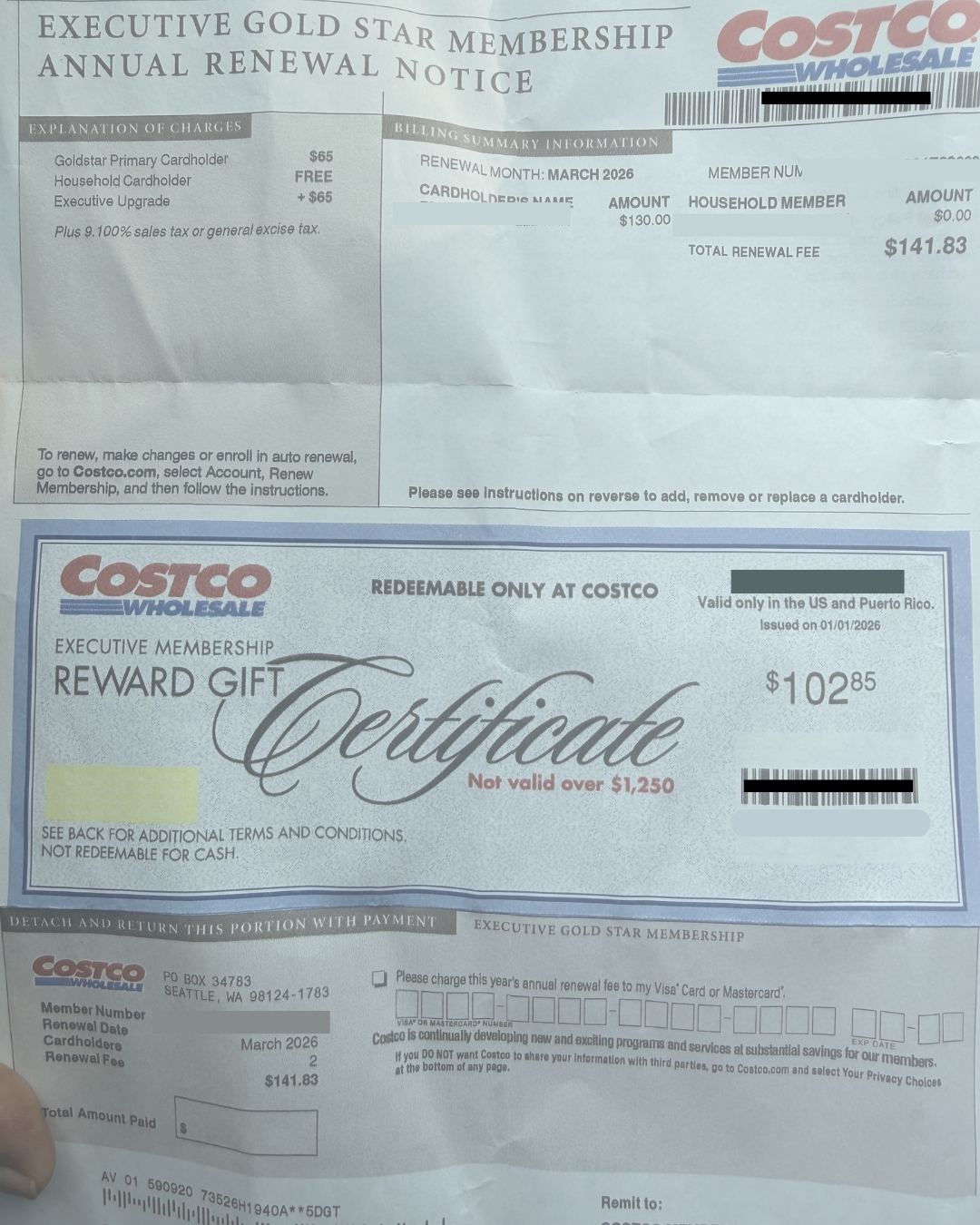
The Executive Membership costs $130+tax per year. In return, you earn 2% back on most Costco purchases, including Costco Travel bookings. At the end of the year, Costco sends you a reward check. You can use that check to renew your membership for the following year, which means after Year One, the Costco Executive membership can essentially cover its own cost.
The catch everyone gets stuck on: you need to spend about $6,500 annually to earn that $130 back. That sounds like a lot until you think about what travel actually costs and how regular runs to Costco on a busy Sunday afternoon add up.
Where Costco Travel Earns Its Keep
Vacation packages. This is where the value gets real. Costco bundles flights, hotels, and sometimes rental cars or excursions into packages that are genuinely competitive often less expensive that what you’d piece together on your own. One vacation package can easily run $2,000 to $4,000 for two people. Book one trip like that, and you’re already a third to halfway to the break-even number without trying.
Rental cars. For us, rental cars alone can push the reward faster than expected, especially when we’re stacking road trips, business, and family travel throughout the year.
Cruises. Costco doesn’t always beat all cruise fares, but they frequently include Costco Shop Cards as part of the deal, which adds value on top of the base price. Book, cruise, and when you return you could have up to a couple hundred dollars on a Costco Shop Card sent to you. It’s worth comparing Costco Travel before booking anywhere else.
The Math
The number that matters isn’t really the total $6,500. If you already plan to keep a Costco membership, the Executive upgrade is only $65 more than Gold Star, so the real break-even point is $3,250 in eligible yearly spend. For most traveling families, that can happen faster than you think.
One vacation package, a few rental car bookings across the year, a trip here and there, and regular Costco shopping on top of that, groceries, household supplies, less per gallon on gas (note: gas doesn’t count toward the 2% reward) and you’ve more than likely passed the $3,250 upgrade break-even without even trying.
The reward check shows up. You hand it to the membership desk or to the cashier at checkout, and next year’s membership is covered. You keep shopping and traveling the way you already were.
Honestly, we’ve reached the 2% cash back $130 reward check without booking a single travel trip. And in the years we don’t quite hit the full amount, the reward still covers the majority of the upgrade cost, which makes it worth it either way.
What Else Comes With It
The 2% back is the headline, but the Costco Executive Membership also includes perks that are easy to overlook: discounts on home and auto insurance, Executive Member shopping hours, which I’ve used to dodge the infamous Costco crowds, and access to deals that aren’t available at the standard Gold Star tier. None of these alone justify the upgrade, but stacked on top of the travel value, they round out the picture.
The Honest Take
Costco Travel isn’t going to beat every deal on the internet every time. But it’s consistently competitive, the booking process is simple, there are live customer service representatives if you need assistance, and the 2% back makes it worth checking here first before you book anywhere else. I chase the best possible value on every trip, building a habit of checking Costco Travel as part of my booking routine and letting the reward take care of itself.
You’re already spending the money. You might as well get the membership back for free.
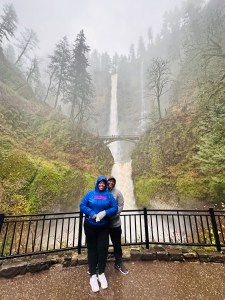
I looked left as we pulled into the parking space, then right — and there it was. 620 feet of water cascading from the earth’s edge. Edward and I stood there with our mouths open, watching it move the way it has moved for thousands of years, with or without anyone watching.
I said it out loud: this is the coolest thing I’ve ever seen in real life.
The Falls Most Visitors Never See
There was almost no one there. A handful of people with umbrellas, hoodies, or nothing at all, standing in the December drizzle watching a waterfall move exactly the way it has moved since the ice age carved it.
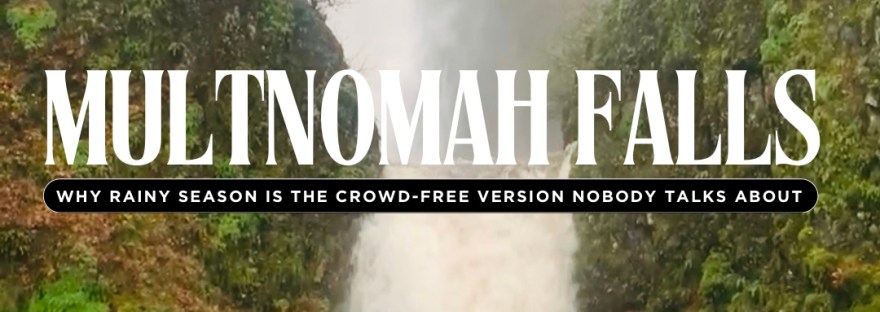
Oregon’s tallest waterfall, Multnomah Falls, is visited by two million visitors a year. Most come in summer, in sunshine. They get the mist, the photograph, the bridge shot. Then they leave. What most visitors don’t get is this version. The falls running hard from weeks of Pacific rain.
The Man Who Left His Name in the Concrete
But here’s the question I couldn’t shake standing there: how did anyone build a bridge across this?
In 1914, a subcontractor named R.L. Ringer rigged an aerial trolley to bring materials up the cliff side, then he built a temporary wooden structure to suspend the concrete arch while it was cured. The concrete pour ran for more than two days without stopping. This was one of the first continuous-pour concrete bridges in the United States. Stop once and the whole thing fails.
It didn’t fail. More than 100 years later the concrete still tests strong.
Benson Bridge at Multnomah Falls is named after Simon Benson, the man who funded it, but look a little closer and you’ll find another name etched into history. Ringer, the contractor, left his mark in the concrete. After being told to remove it, he cleverly pressed the letters back in with wet clay so the cement wouldn’t bond. After two winters of frost, his name set for good. And still, it remains.
77 Waterfalls in 80 Miles
The Columbia River Gorge where Multnomah Falls lives has been drawing people since before there were roads to bring them. TLC told us not to go chasing waterfalls. The Columbia River Gorge has 77 of them, including Multnomah, Latourell, Bridal Veil, and many more—carved by catastrophic flooding at the end of the last ice age.
What Catastrophic Water Leaves Behind
Missoula Floods are what geologists call them. Water so catastrophic it reshaped the entire Pacific Northwest in a matter of days. What remains is an 80-mile canyon that does something unusual for a natural landmark — it gets more dramatic, in a safe way, in what we’d consider bad weather. Rainy season in the Gorge runs roughly November through March. Precipitation feeds the falls and forces the falls to run harder and fuller than at any other point in the year. Nobody tells you that the falls have a whole other life. You just have to show up for it.
The Kind of Green We Don’t Have Language For
We drove down from Seattle, where we’d started the trip, in the kind of dewy drizzle that doesn’t demand anything — wipers only on periodically, sunroof open, inhaling the fresh air, coasting through the kind of green we don’t have language for in Arizona. Some things just resist the frame.
I Found the Quiet Version and Immediately Made Noise About It
I have written about overtourism. I have stood in places carved out by volume and wondered what they looked like before the algorithms found them. I came to Multnomah Falls on a rainy Sunday in December and felt righteous about it — the crowd-free version, the real version. And then I took out my phone. Not to document the falls. To tell someone they should come here. To say quietly, but screaming internally that this place is worth it, that rainy season is the secret, that if you time it right you get something most visitors never access. I was already turning the experience into instruction. The question I couldn’t answer standing there: is writing about it any different than photographing it? Or am I just another person who found the quiet version and immediately made noise about it?
Communion
We closed out the day at Communion, a Black-owned restaurant in Portland where the food was extraordinary and the room felt like someone had built it deliberately, for people who actually live there.
Traveling During a Healing Season
Base of Multnomah Falls. Photo: Sharonda Shariee
My oncologist had given me a small window. Between treatment cycles, a brief stretch where travel was possible if I was careful, if I didn’t push, if I let the itinerary be loose and the pace be slow. The Pacific Northwest had been on my list for years. It seemed like the right kind of quiet — not resort quiet, not curated quiet, but genuinely unhurried. Green and cool and indifferent to schedules. I didn’t go to Oregon as a travel writer. I went because I could. Because that particular Sunday in December standing at the base of a 620-foot waterfall in the rain with almost no one around, was available to me — and I knew enough by then to know that available is not the same as guaranteed. It isn’t about timing the crowds or finding the secret season. It’s about showing up with enough stillness to actually receive a place. To let it be what it is rather than what you needed it to be. I needed it to be exactly what it was.
The Lesser Version
Go. But go correctly. Sometimes that just means going in the rain. Multnomah Falls will be there in July. Crowded, photogenic, exactly as advertised. The bridge will be full. The lot will require a timed entry permit. It will also be there in December, in the rain, running harder than it has all year, with hardly anyone watching. I don’t know what it means that we built an entire tourism infrastructure around the lesser version. I don’t know if writing this changes anything — whether the people who need the quiet will find it, or whether this post becomes just another entry point for the crowd. What I know is that I stood at the base of something ancient and said out loud, to no one in particular: this is the coolest thing I’ve ever seen.
Salt River Wild Horse Herd: (Photo credit: Patrick Smith)
HOW IT STARTED
Wild horses have never been high on my list of must-see animals. But after years of hearing how people go out of their way and even travel from neighboring states to track down the Salt River wild horses in Arizona, I kept filing the hike away under eventually. Then I started to wonder what I was missing. Then curiosity got the best of me, and as part of my Paths & Patterns series, I had to go investigate for myself.
Patrick Smith, friend and professional photographer, is an expert explorer and frequents the many hiking trails in the Tonto National Forest area exploring the native wildlife. I randomly asked if he had been out to see the Salt River Wild Horses, and he replied he had, and he photographs the horses often. Over weeks, he debriefed me on how to navigate the area, and finally I felt equipped enough to make the trek through Coon Bluff Trail.
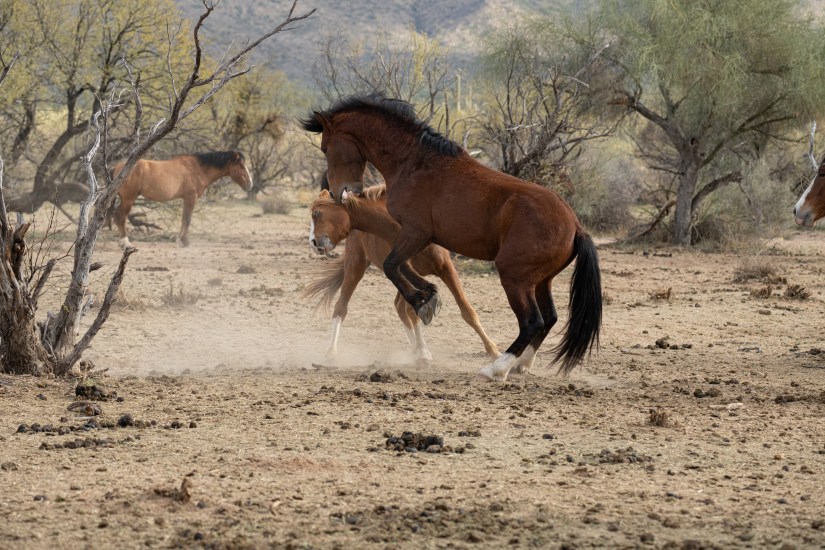
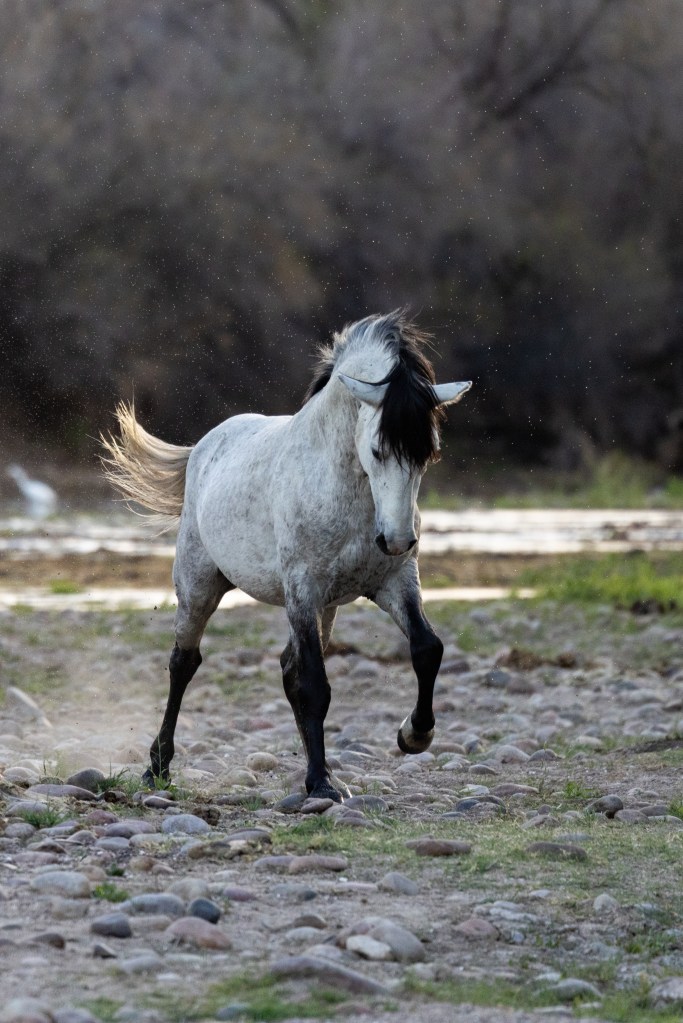
Salt River Wild Horses Scuffling (Photo credit: Patrick Smith)
A NOTE ON THE TRAIL NAME
Now, you may think the name Coon Bluff Trail is a little suspect, but hold on, the name is short for Raccoon. The trail was given its name back in 1919 when a group of boy scouts trapped a raccoon on the trail and pranked their parents into believing it was a different type of meat. The name has since been controversial, even The U.S. Board on Geographic Names’ Domestic Names Committee considered changing the name, and the USDA Forest Service already formally refers to the trail as Raccoon Bluff Day Use Area. So, since we have cleared that up, the trail is accessed via the Coon Bluff Recreation Area. You will need a Tonto National Forest day pass to park.
FINDING THE HERD
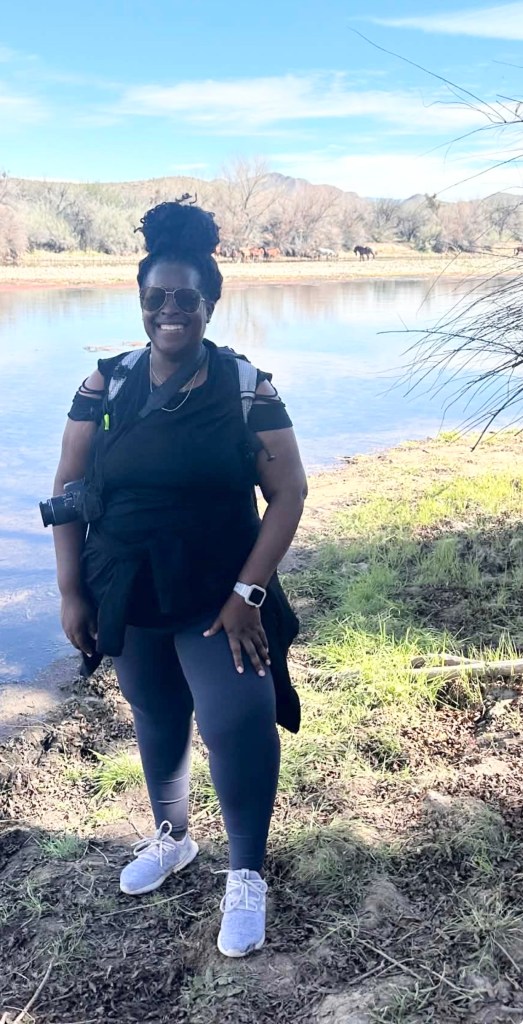
The face you make when the Salt River delivers. (Photo Credit: Sharonda Shariee)
I immediately knew that I would not even have a chance of seeing the Salt River Wild Horses until I reached at least one mile into the hike, Patrick said do not even start looking until then. I kept close watch on my fitness tracker, and at the one-mile mark we started asking others on the trail walking from the wilderness we were approaching if the horses had been spotted. First couple: no horses. Second group: no luck, better chance at dusk or dawn. Third couple: “Yes, we saw them. Stay close to the river and when you feel the trail start to ascend, stay low.” I checked my fitness tracker, and 1.21 miles in, there they were. The investigation ended. I felt like the trail had finally decided to let me in on its secret. Let me warn you, there is a chance that you will not see the Salt River Wild Horses. If you go in knowing this, it lessens the disappointment, but also, be persistent and do not be afraid to ask other trail hikers if they have seen the Salt River Wild Horses, it is a normal banter on the trail.
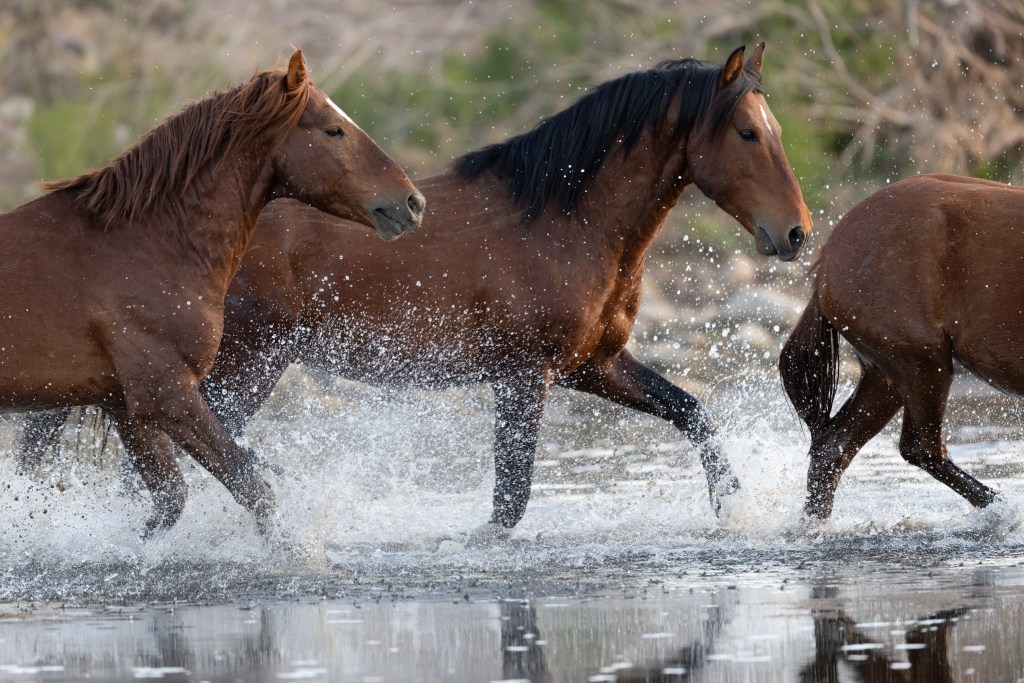
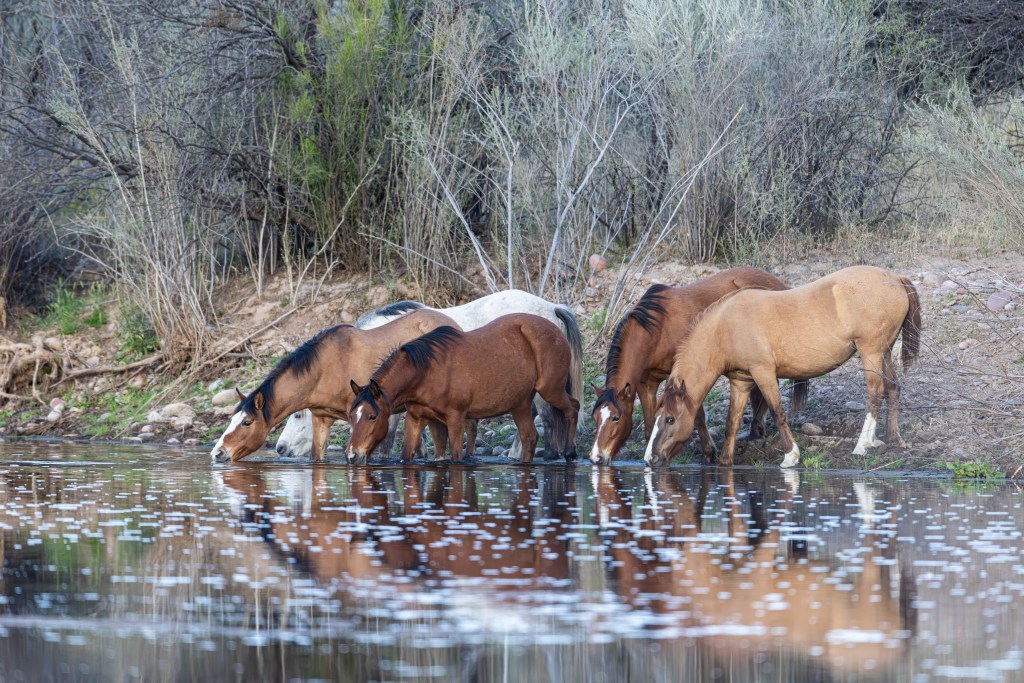
Salt River Wild Horses taking a Hydration Break. (Photo credit: Patrick Smith)
TIP: This hike will take more out of you than you expect. Eat a solid meal before you go, hydrate well before you hit the trail, and bring more water than you think you need. The terrain is uneven, the sun is relentless, and the mile back feels longer than the mile in. A hydration pack is your best friend out there. I used my hydration pack the entire way.
UNDERSTANDING THE BANDS
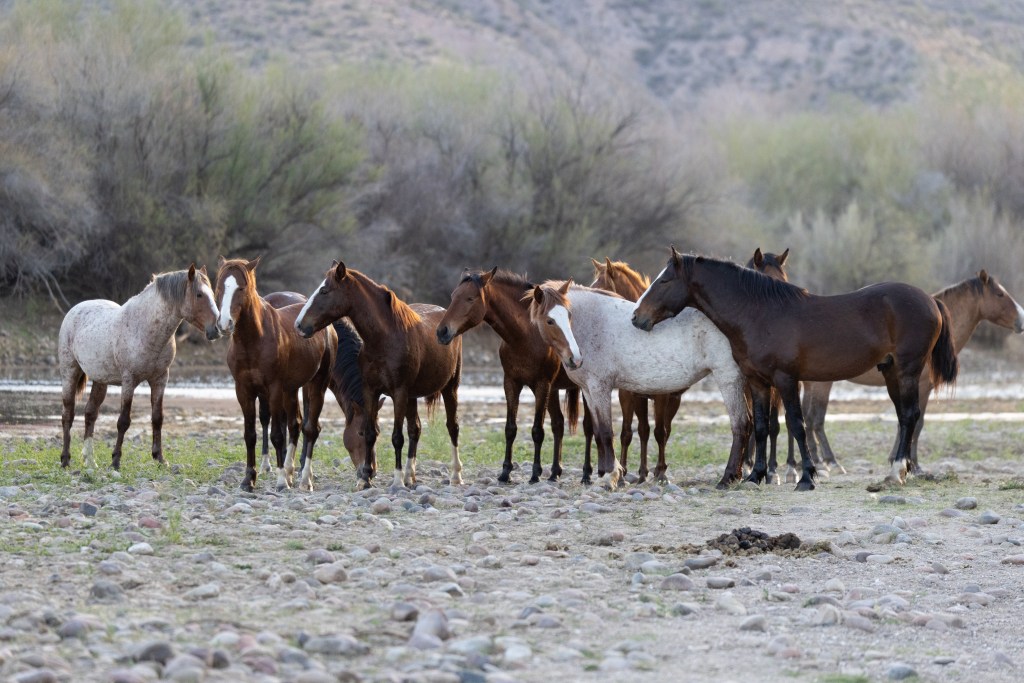
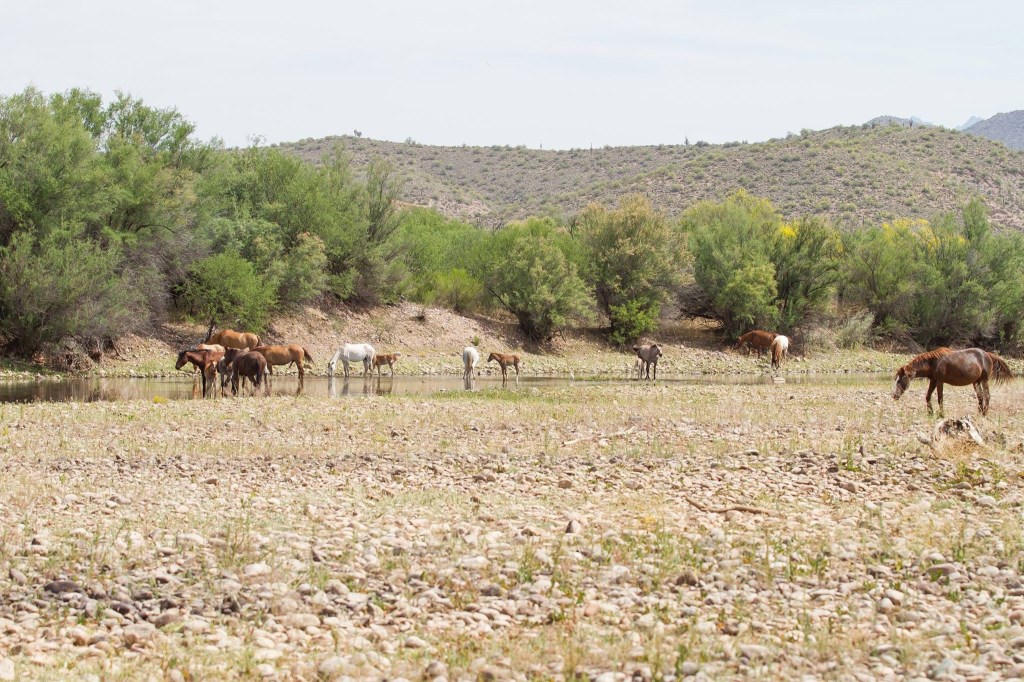
Finding the bands matters more than you might think. The Salt River Wild Horses are not stationary, they are constantly on the move, following their natural grazing behavior and daily roaming. They come down to the river to drink, graze along the banks, and then retreat back into the forest as part of their routine movement patterns within their home range. Catch them at the wrong moment in that cycle and you will walk the entire trail and see nothing but beautiful desert landscape along the moving Salt River, which there is nothing wrong with that.
Salt River Wild Horse Band: (Photo credit: Patrick Smith)
WHO IS PROTECTING THE SALT RIVER WILD HORSES
What helps sustain the bands between those cycles is the work of the Salt River Wild Horse Management Group, an Arizona-based 501(c)3 nonprofit dedicated to monitoring, studying, and protecting the Salt River wild horses. They supplement the horses’ grazing with additional feeding, helping the bands maintain their health and numbers in an environment that, similar to the Butcher Jones Trail, you can read here, is feeling the same pressure of growing human presence.
Salt River Wild Horses Grazing: (Photo Credit: Patrick Smith)
WHAT’S COMING FOR THE SALT RIVER WILD HORSES
What makes this moment particularly urgent is that the Salt River wild horses are at a crossroads. Patrick has photographed these horses for years, and he has watched the numbers fluctuate dramatically, and with that, watched the forest floor change beneath them. More horses mean more grazing, more wear and tear on the forest floor, more pressure on the habitat that both the horses and the surrounding wildlife depend on. He does not advocate for or against what comes next. He just knows what changes he has seen.
The community is divided, but what I have learned is the herd must be reduced from approximately 274 horses down to about 120. That is more than half. Roughly 25 horses per year will be relocated to pre-vetted sanctuaries, with fertility control slowing future growth in the meantime. Relocation will begin in September 2026, which means this summer is the last time visitors floating the Salt River will see the herd at its current size.
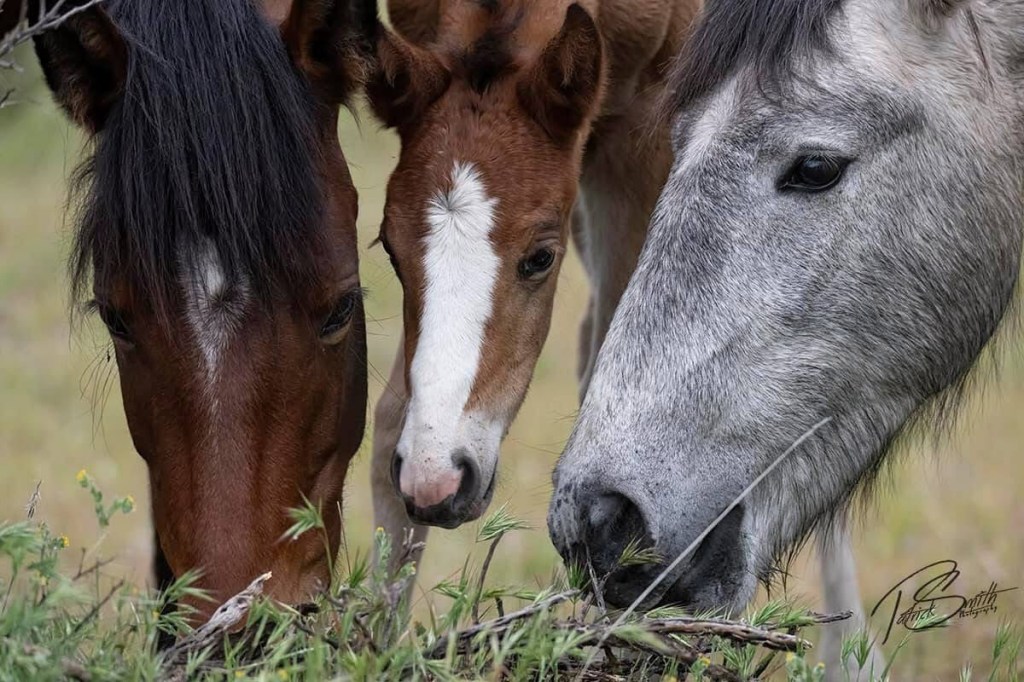
Salt River Wild Horse Foal: (Photo Credit: Patrick Smith)
WHAT I LEFT WITH
I came to Coon Bluff Trail curious and left with insight into a world that I was not necessarily interested in but left enlightened to the joy that these horses have brought the community near and far, and a sense of quiet urgency within our wildlife environment. These horses are a wild family navigating the same pressures the rest of us are, shrinking space, growing crowds, and forces beyond their control making decisions about their future.
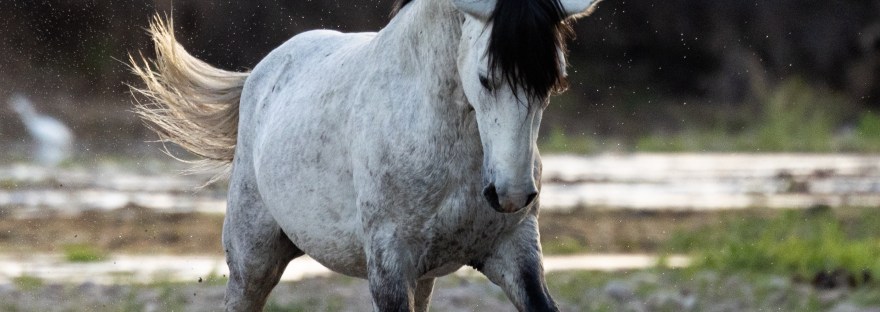
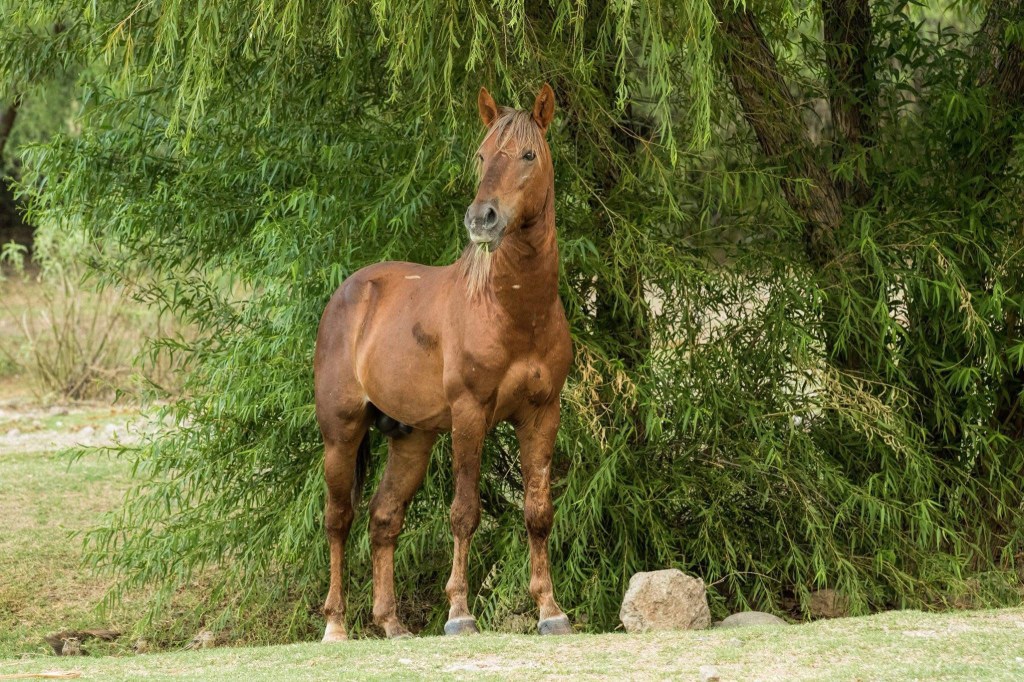
Salt River Wild Horse: (Photo Credit Patrick Smith)
Go this summer.
Go before September.
Go while the bands are still whole.
Seeking out the Salt River Wild Horses may not have been high on my list, but I will forever keep up with their story and how they are faring.
Salt River Wild Horses Grazing in the Open: (Photo Credit Patrick Smith)
This is part of my Paths & Patterns series, where I investigate how the places we love and the creatures that inhabit them are shaped by the world closing in around them.
A note on the photography: The images in this story were taken in collaboration with Patrick Smith, a professional photographer based in the Phoenix area. Whether you’re looking for wedding coverage, family portraits, events, or birthday sessions, Patrick is available for bookings at (602) 989-3601 or pat@ddifotography.com.


Leave a Reply