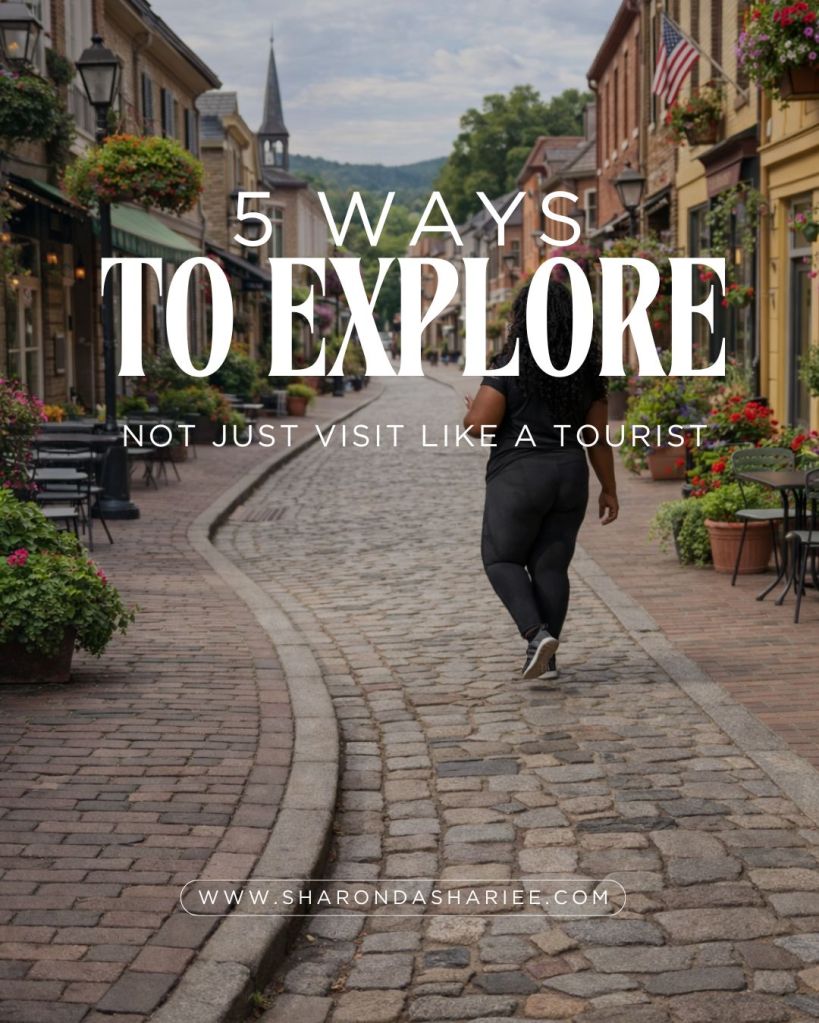
There’s a difference between visiting a place and exploring it. Tourists rush through landmarks, checking boxes on an itinerary. But true exploration? That happens when you slow down, pay attention, and let a place reveal itself to you.
No doubt Iโve been guilty of checking the boxes, at least a couple of days out of the itinerary. After years of wandering with intention, I’ve learned that the most meaningful travel moments don’t come from seeing the “must-dos.” They come from noticing the small details โ the rhythm of daily life, the taste of something you can’t pronounce, the conversations that happen when you’re genuinely curious.
Here are five ways to explore a place deeply, no matter where you go.
1. Eat Where the Locals Eat (and Ask What They’re Having)Skip the restaurants with menus in five languages posted outside. Instead, look for:
Places packed with locals at lunchtime
Hole-in-the-wall spots with old-school typewriter menus
Markets and food trucks where people are actually eating (not just taking photos)
Tip: Don’t just order the “safe” option. Ask the server or the person next to you what they recommend. Some of my best meals have come from pointing at someone else’s plate and saying, “What are they having?โ
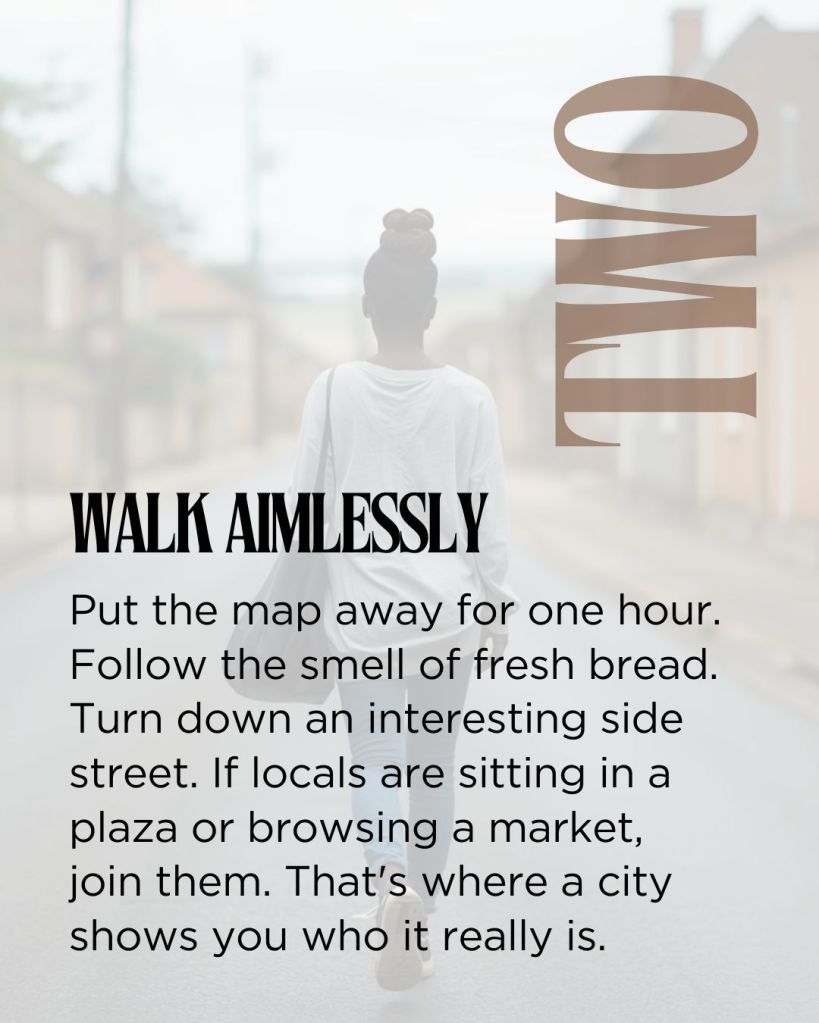
2. Walk Aimlessly (Yes, Really)
Put away the map for an hour. Turn down side streets that look interesting. Follow the smell of fresh bread. Notice the murals, the storefronts, the way other people are strolling around.
Wandering without a destination is how you stumble upon:
Local bookstores tucked between apartment buildings
Social lounges and local clubs
Parks where residents are actually relaxing along with a little Instagram posing
The Rule: If you see locals doing something โ sitting in a plaza, browsing a farmerโs market, lingering at a cafรฉ โ join them. That’s where the real rhythm of a place reveals itself.
3. Use Public Transportation (Even If It’s Confusing)
Renting a car or taking Ubers everywhere keeps you isolated from the actual city. Buses, trains, and trolleys? That’s where life happens.
You’ll see:
Commuters heading to work
Students chatting on their way to class
Elderly couples running errands together
Tip: Locals are usually happy to help, if you let them know youโre trying to find your way. Some of the best conversations I’ve had started with, “Excuse me, does this trolley go to…?”
4. Shop at Neighborhood Markets (Not Souvenir Shops or Major Chains)
Want to understand a place? Go where people buy their groceries.
Farmers markets reveal what’s actually in season
Corner stores show you what locals snack on
Bakeries, butcher shops, and fish markets tell you how people cook at home
You don’t have to buy much โ a piece of fruit, a fresh pastry, or a bottle of local wine. But you’ll learn more about a culture in 20 minutes in a market than an hour in a museum gift shop.
Tip: Picking up groceries, food items, coffee are almost always less expensive when you shop local.
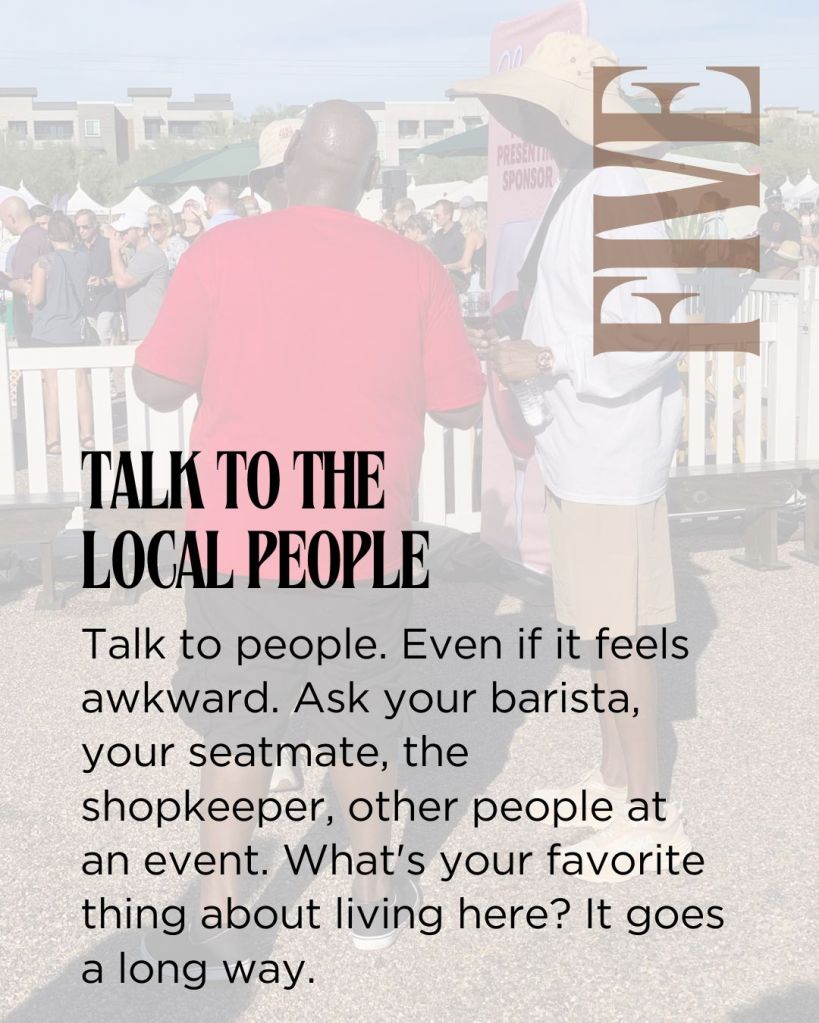
5. Talk to People (Even If It Feels Awkward)
This is the one that changes everything. My friends and family can depend on me to ask questions and get the scoop from the locals. It’s become one of my favorite parts of traveling.
Strike up conversations with:
Baristas making your morning coffee
Shopkeepers who seem passionate about their craft
Fellow diners at nearby tables
People sitting next to you on the public transportation
Ask simple, genuine questions:
“What’s your favorite thing about living here?”
“Is there a spot locals go that tourists donโt?”
“What should I definitely try while I’m here?”
Most people love sharing their city with someone who’s genuinely curious. And those spontaneous conversations are the stories you’ll remember long after you return home.
The Heart of It
Traveling like a local is about showing up with curiosity, respect, and a willingness to slow down.
You donโt have to choose. You can get the shot and still stay present. You can build the itinerary and leave room for connection. Itโs about content and connection. Photos and feelings.
Because the truth is, the best parts of travel aren’t the places you go to, they’re the way those places make you feel. And that only happens when you step off the tourist track and into the actual rhythm of a place on a day-to-day basis.
So next time you travel, ask yourself: Am I just visiting, or am I actually here?
What’s your best tip for exploring like a local? Drop it in the comments โ I’d love to hear how you explore new places.
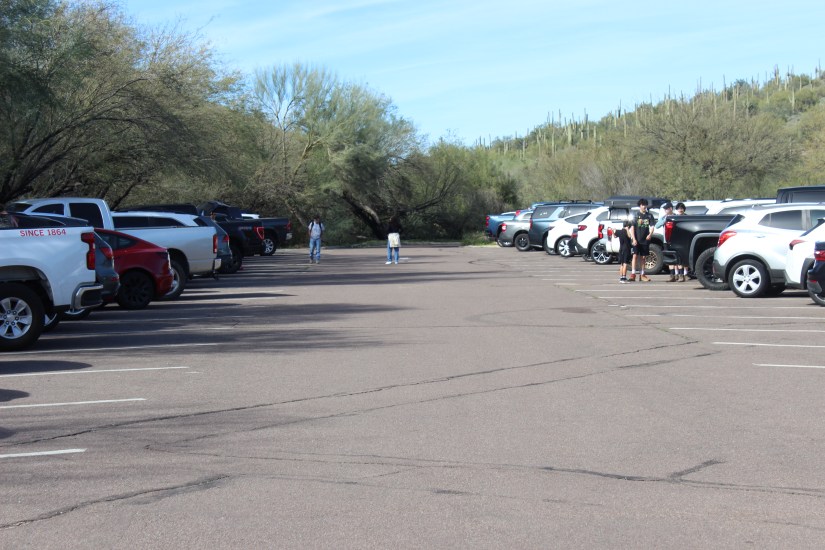
Arrived at Saguaro Canyon at 10 AM and the first thing you notice isn’t the trailheadโit’s the parking lot choreography. Vehicles circling like vultures, waiting for hikers to pack up and leave, drivers nudging into spaces as quickly as possible. We circled once before surrendering to the overflow lot we’d initially passed on the way in. Immediate evidence this trail is loved hard.
Butcher Jones Trail Parking Lot
I almost died once on a hike up South Mountain’s Holbert Trail. My sister insists I was nowhere near death, but when you’re gasping for air halfway up a 1,000-foot elevation gain with no clear sense of how you’ll make it back down, semantics don’t matter much. That was my last time hiking Holbert Trail.
Recently, I wanted to investigate Butcher Jones Trail in the Tonto National Forest. Both trails are rated moderate by AllTrails.com. The key difference? Butcher Jones has a much more forgiving elevation gain at 638 feet compared to Holbert’s punishing 1,000. But what really drew me here was the numbers: 4.7 stars from approximately 11,000 hikers. When a trail gets that much traffic and maintains that rating, I want to know howโand at what cost to the ecosystem.

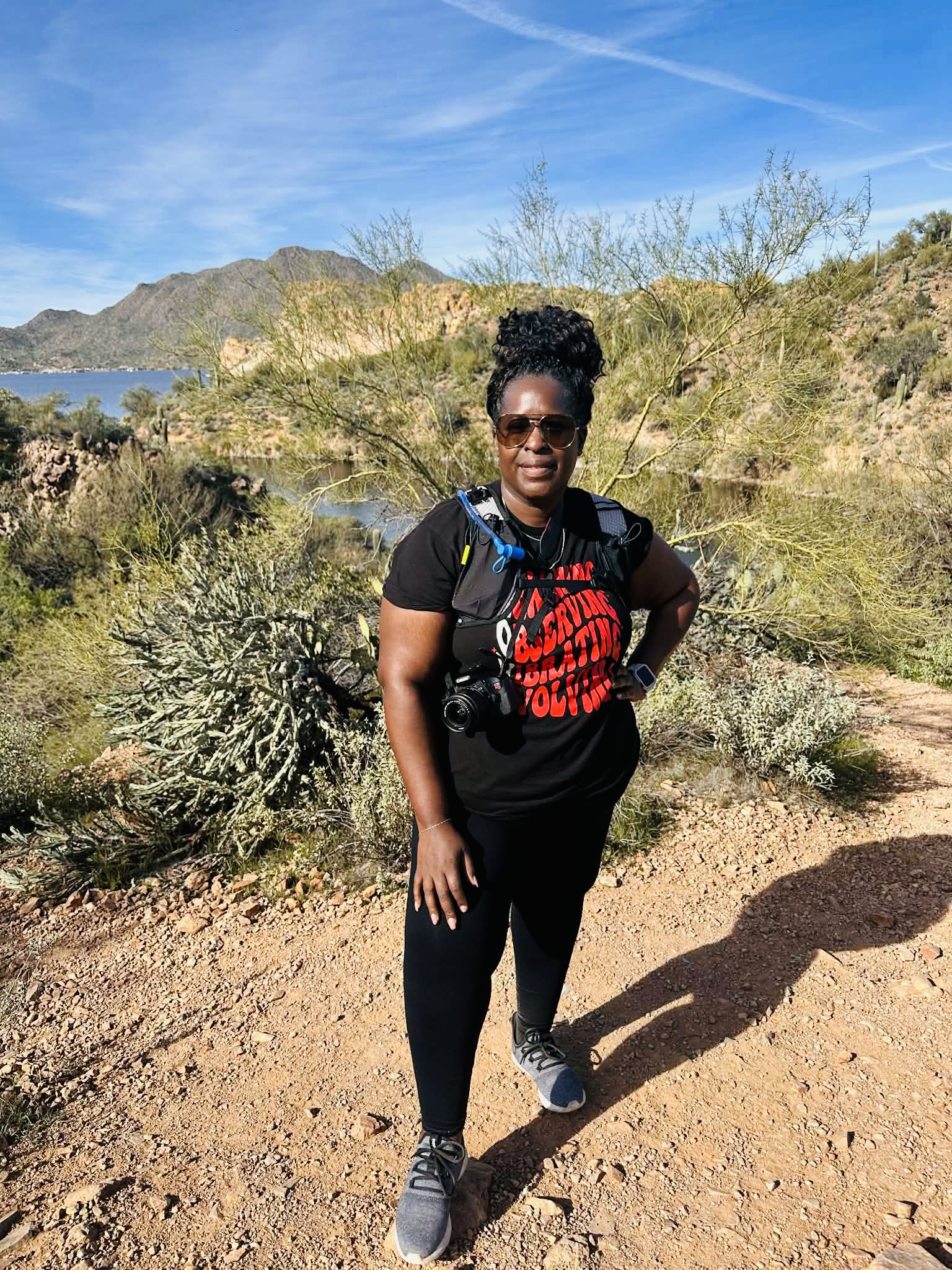
Starting the investigation with a full water pack, camera. and curiosity
THE DAM THAT CREATED SAGUARO LAKE
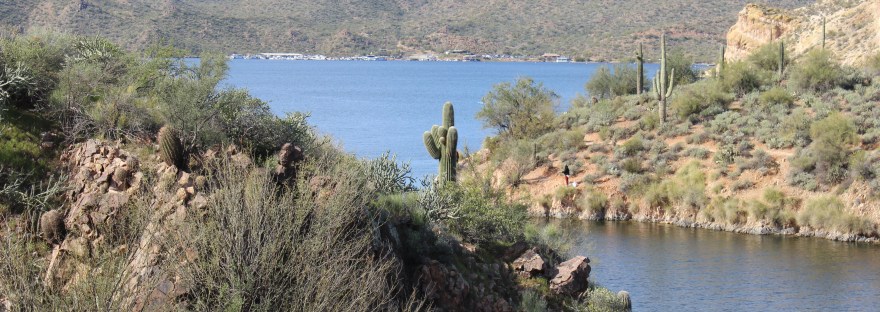
Butcher Jones is nestled just about an hour east of the greater Phoenix area, but the area I was about to explore didn’t exist a 100 years ago, at least not in this form. Saguaro Lake was formed by the Stewart Mountain Dam on the Salt River, built between 1928 and 1930. Once a free-flowing desert river became a reservoir serving as storage for irrigation, municipal use, and hydropower.
A Saguaro Lake Guest Ranch was built in 1927 during the construction of Stewart Mountain Dam to host workers during the build. Around 1930, once the dam was complete, a couple from Kansas purchased the land to be turned into a public use area. The transition from industrial construction site to recreation destination was complete. Fishermen came first, then hikers, thenโฆ the Instagram and TikTok generation with their 11,000 AllTrails reviews.
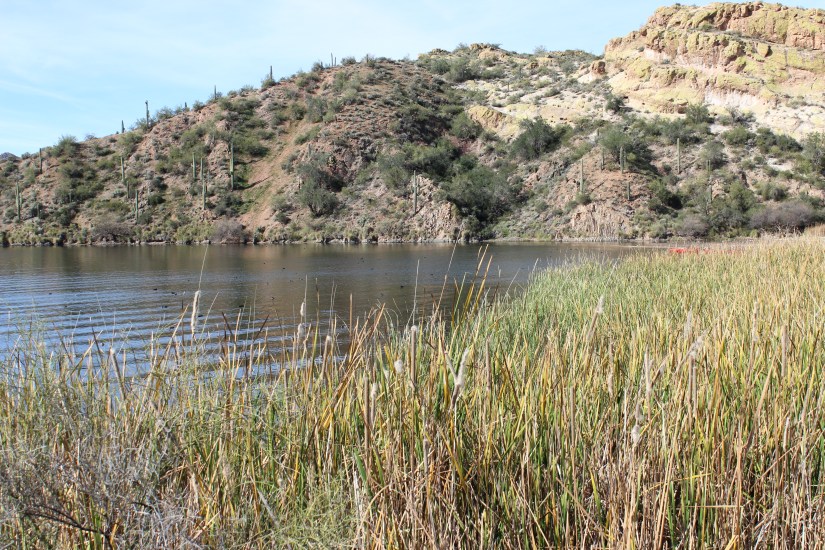
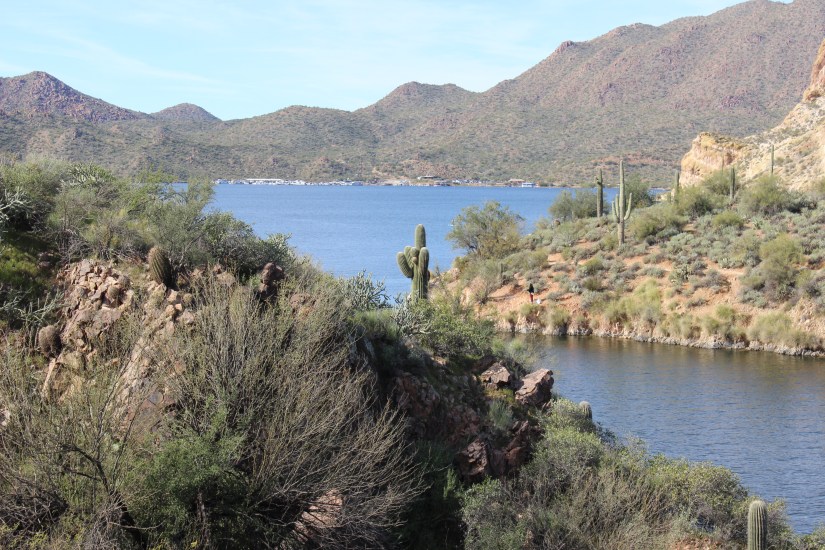
Saguaro Lake at Tonto National Forest
This trail wasn’t built for scenic overlooks or social media sunsets. It was constructed for one functional purpose: giving fishermen access to the lake. But somewhere between then and now, it became one of Tonto National Forest’s most-visited sites. The land has been responding ever since.
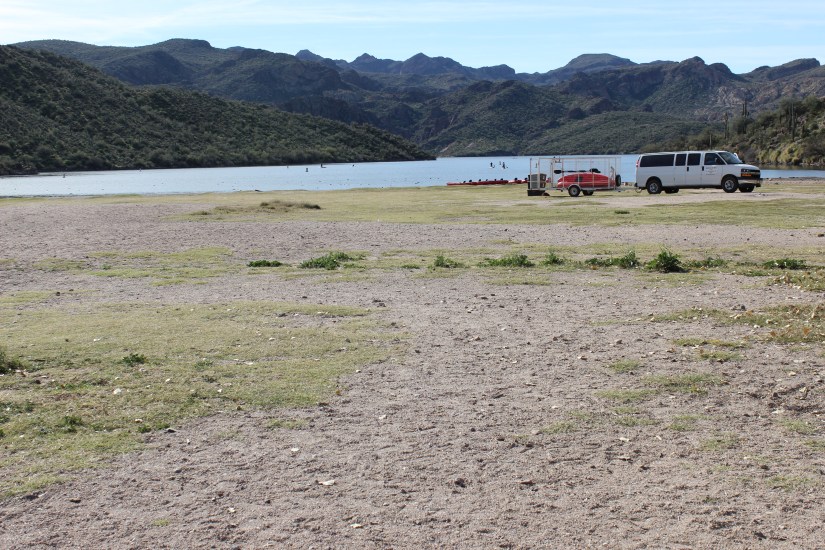
We fitted our water packs on our backsโpre-filled with chilled water bladders, protein bars, grapes, and hand sanitizerโand made our way through the bare recreational area near the lake. I took in the serene Saguaro Lake, then looked down at the ground beneath my feet: bare earth where grass once grew. This area hosts picnics, volleyball games, and serves as the launch point for fishermen entering the lake with their kayaks. The soil was packed hard, compacted by thousands of footsteps, coolers, and kayak launches.
Recreation Area at Saguaro Lake
A couple passing offered the advice of figuring out something else because: “The bathrooms are in dire need of attention.” Another small indicator of infrastructure struggling to keep pace with popularity.
TIP: Find the nearest restroom closest to Butcher Jones Trail before making the final trek into the Tonto National Forest.
THE TRAIL TELLS ITS STORY
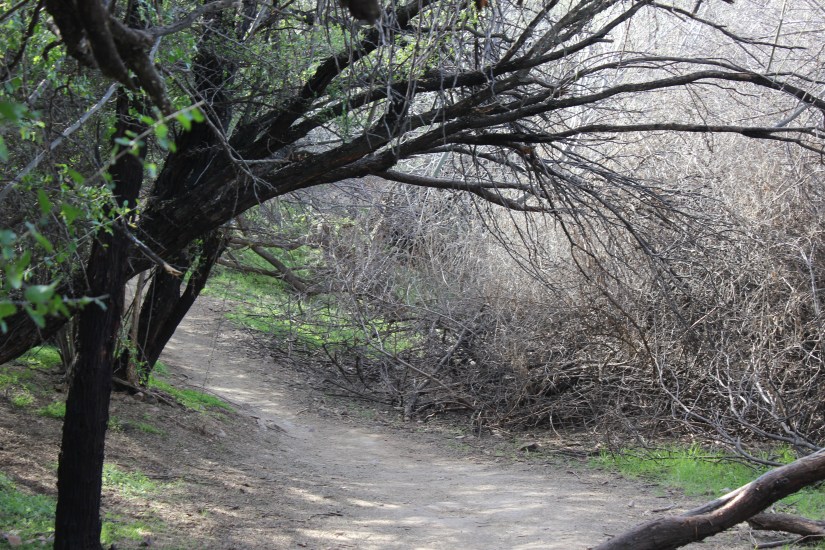
Immediately upon entry onto the trail, I noticed evidence of reroutingโnew pathways carved to guide hikers away from eroded sections. Trail rerouting is one of the clearest signs that Butcher Jones has endured significant erosion over the years. The original path, worn down by boots and weather.
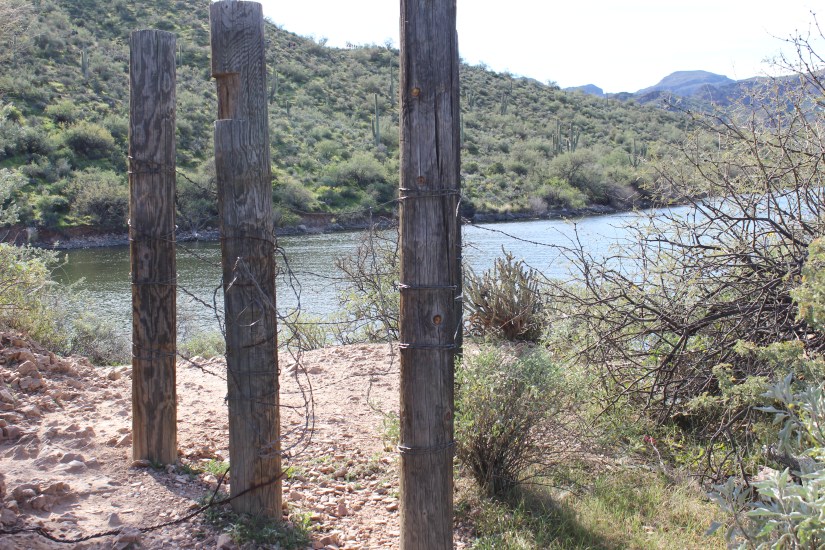
Further along, I spotted wooden posts wrapped in barbed wireโsigns of an older redirect attempt. The posts stood weathered and half-buried, marking what was likely a previous effort to keep hikers on a designated path. Over time, even redirected trails can fail. Erosion doesn’t stop just because you move the route; it follows the foot traffic. These posts were evidence that this trail has been fighting the same battle for decades: how to guide thousands of hikers without letting the land wear away beneath them.
Butcher Jones Trail Posts and Wire Rerouting
As the trail descended, it became very rockyโloose stones shifting underfoot, requiring careful placement of each step. But eventually it smoothed out as we headed back toward the ascent. I paused to witness Saguaro Lake from the opposite direction: beautiful and serene despite the busy day of traffic on the trail. The contrast was strikingโnature’s quiet whisper alongside human activity.
Butcher Jones Trail
There was chatter from the group behind me that they hadn’t seen the trail as busy as it was that day. Halfway through the trail, I made the decision not to attempt the full ascent. My body has changed since my breast cancer journey (more on that here), and I’m still learning what it can handle now. In a way, I’m adapting to new limits just like the Butcher Jones Trail isโboth of us responding to forces that reshaped us, finding new ways to function despite the wear.
Saguaro Lake on the Back Side of Butcher Jones Trail
In Arizona, this kind of self-awareness isn’t weaknessโit’s survival. The Phoenix-area trails see hundreds of rescue calls every year. Knowing when to turn back can be the difference between a good story and a cautionary tale.
WHERE DID THE WILDLIFE GO?
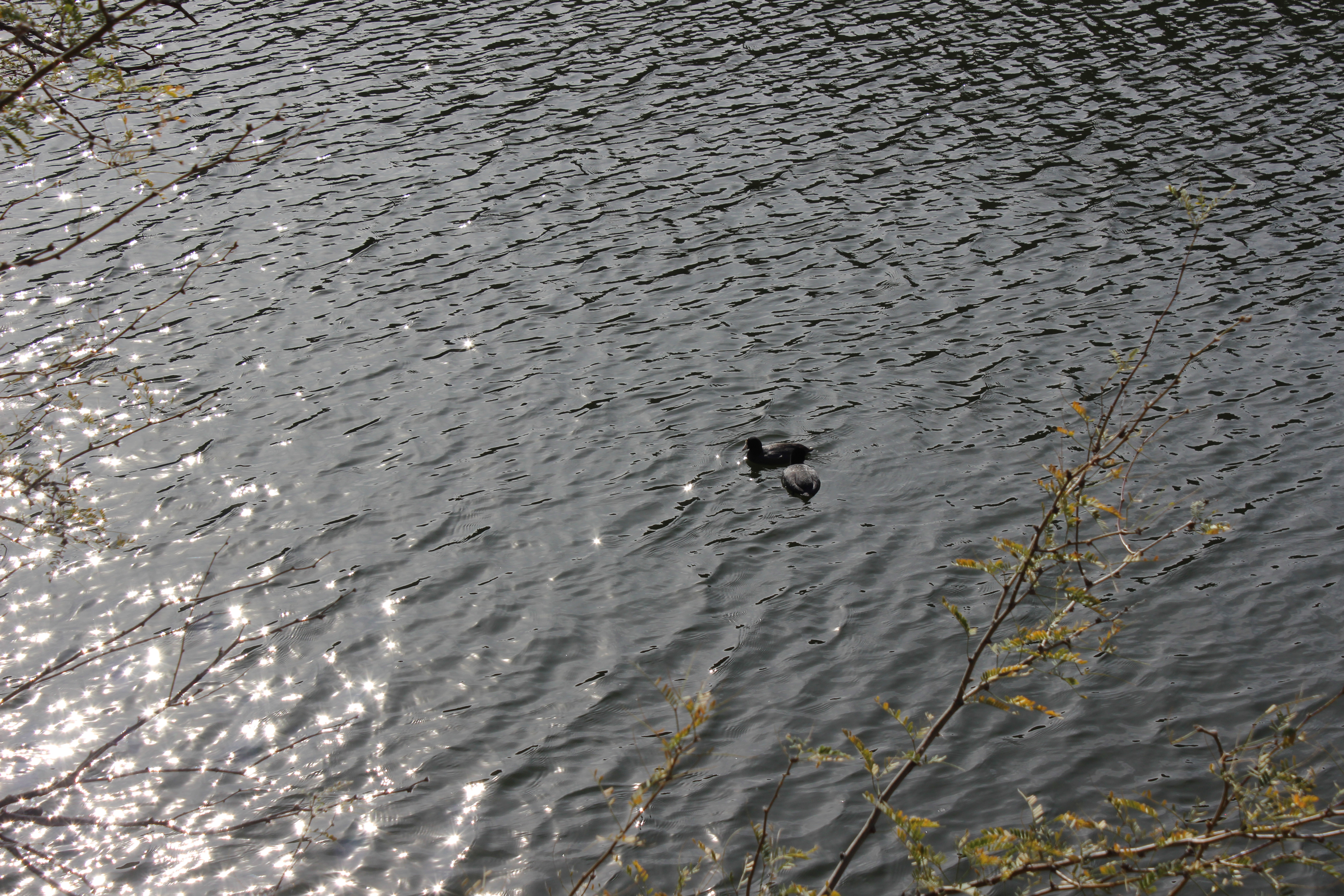
As we made our way back, I began to wonder why I’d seen no creatures besides ducks paddling quietly in the lake. I imagined even the smallest insect would land nearby for me to observe and capture. Nothing.
Ducks on Saguaro Lake near Butcher Jones Trail
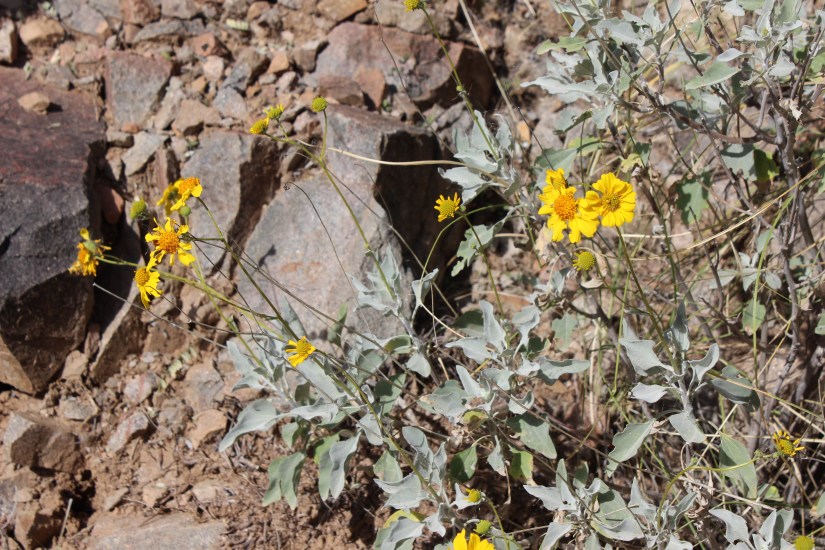
But thenโa splash of color. Vibrant yellow flowers clustered along the trail’s edge, the only bright color in a brown and green desert palette. They seemed unbothered by the foot traffic, thriving in spaces where wildlife had retreated. Apparently, the animals had learned to avoid us, these wildflowers held their ground, blooming despite of.
Desert Marigolds at Butcher Jones Trail
I’m left wondering if the wildlife in the area have learned to yield to pedestriansโretreating during peak human hours, laying low so-to-speak, before returning to their routines when foot traffic diminishes. Desert animals are adaptive by necessity. Perhaps they’ve simply adjusted their schedules around ours.
It’s a pattern I’ve noticed before: in my whale watching investigation here, I witnessed how Navy sonar disrupted migration routes, turning whales back north when they should have been heading south. Here, on Butcher Jones, the disruption is quieter but just as real. We don’t use sonar, but our presenceโour volume, our numbers, our footprintsโshapes behavior just the same.
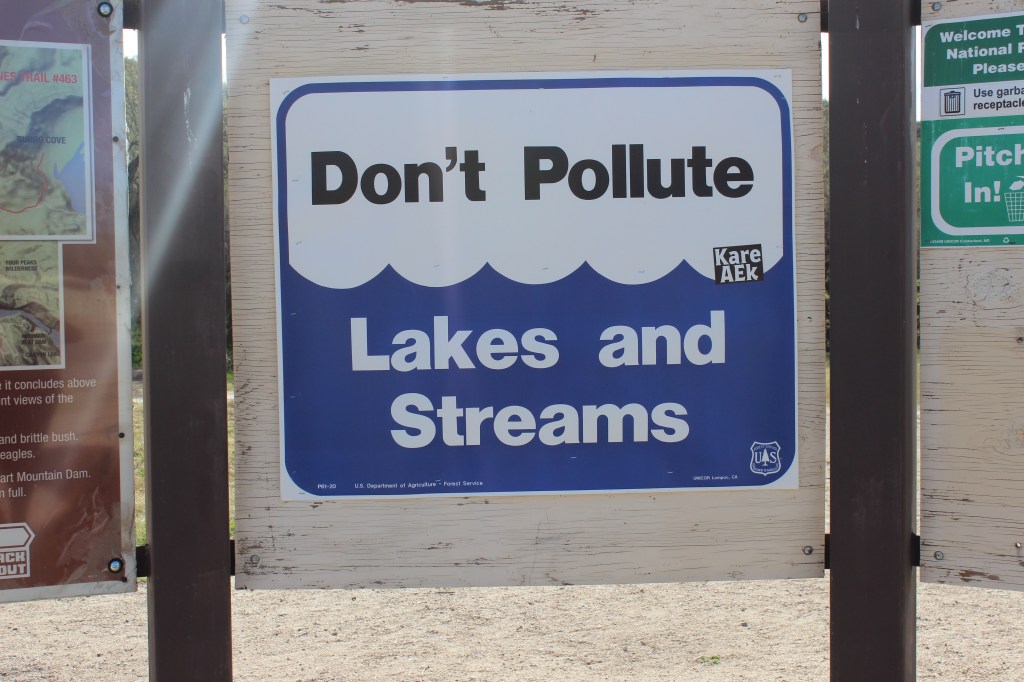
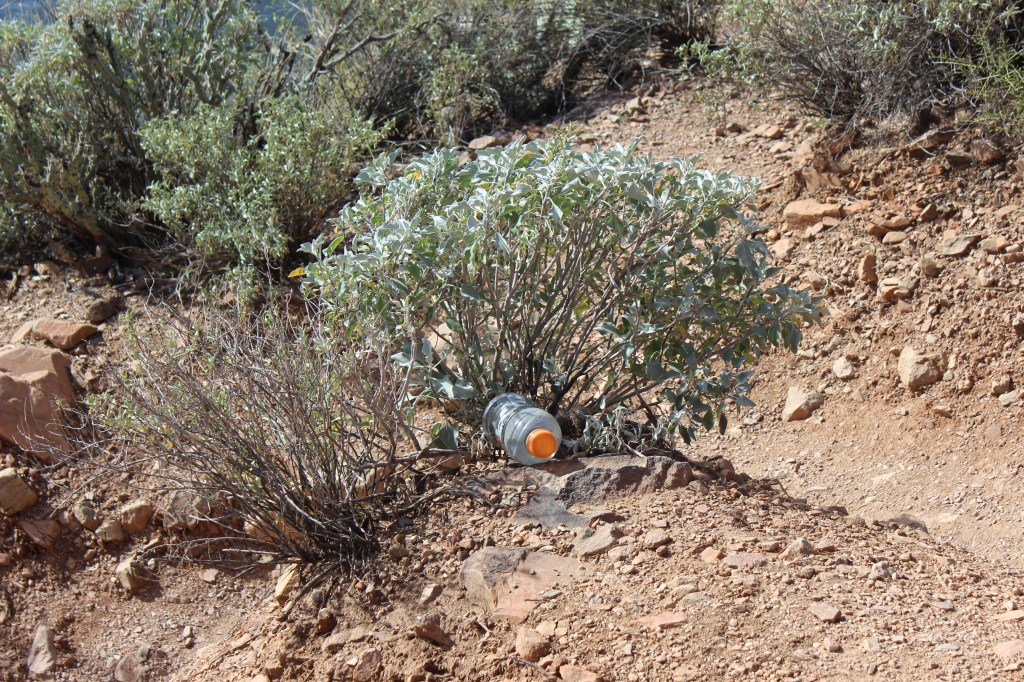
TIP: To keep the trail clean for future hikers and wildlife in the area, be sure to pack out all trash. What you leave behind doesn’t just affect the next human visitorโit affects the creatures trying to reclaim their space when we’re gone.
Butcher Jones Trail Don’t PolluteButcher Jones Trail Don’t Pollute
FINAL THOUGHTS: WHAT I CAME HERE TO NOTICE
What I intended to investigate: How a trail rated 4.7 stars by 11,000 hikers holds up under that much loveโand what it costs the ecosystem.
What I didn’t expect to see: Bare ground where grass once grew, visible before I even reached the trailhead. The pressure doesn’t start on the trail itself. It starts in the parking lot, in the recreational area, in the small infrastructure struggles that signal a place stretched beyond its original design.
What I’m still wondering: At what point does popularity kill the thing we came to see? Butcher Jones was built for fishermen in an era when a few hundred people might visit in a season. Now it hosts thousands. The trail has been rerouted. The grass is gone. The wildlife seems absent. The bathrooms are failing miserably.
And yetโit endures. The lake still reflects the canyon walls. The trail, though eroded in places, still guides us to views that take our breath away. There’s resilience here.
How I’m part of this: I circled that parking lot. I added my footprints to the widened trail sections. I’m investigating this story while contributing to it, one more hiker among 11,000, one more person testing the boundaries of what a place can withstand. That tension matters.
This is part of my Paths & Patterns seriesโwhere I investigate how places and the people who love them shape each other. The goal isn’t to deter exploration. Explore with intention and attention, recognizing we’re all part of the story. The places we explore need us to see them, love them, and show up with curiosity and awareness.
Your Field Guide to the USA Today Wine & Food Experience
I went. I experienced it. Hereโs what you need to know.
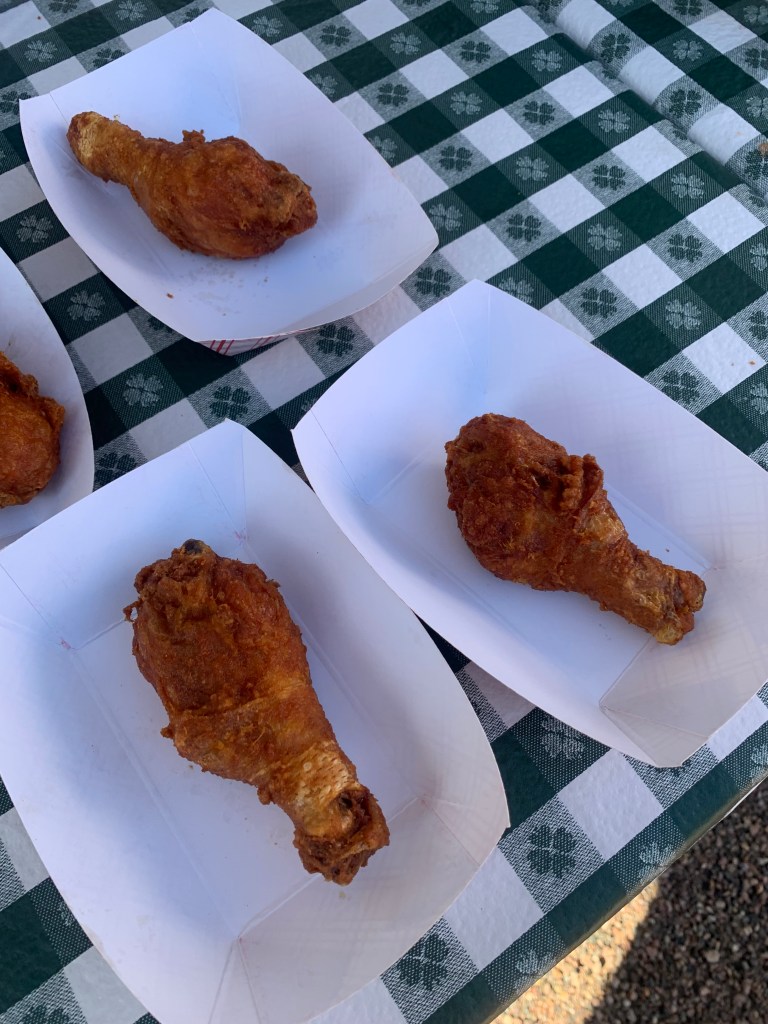
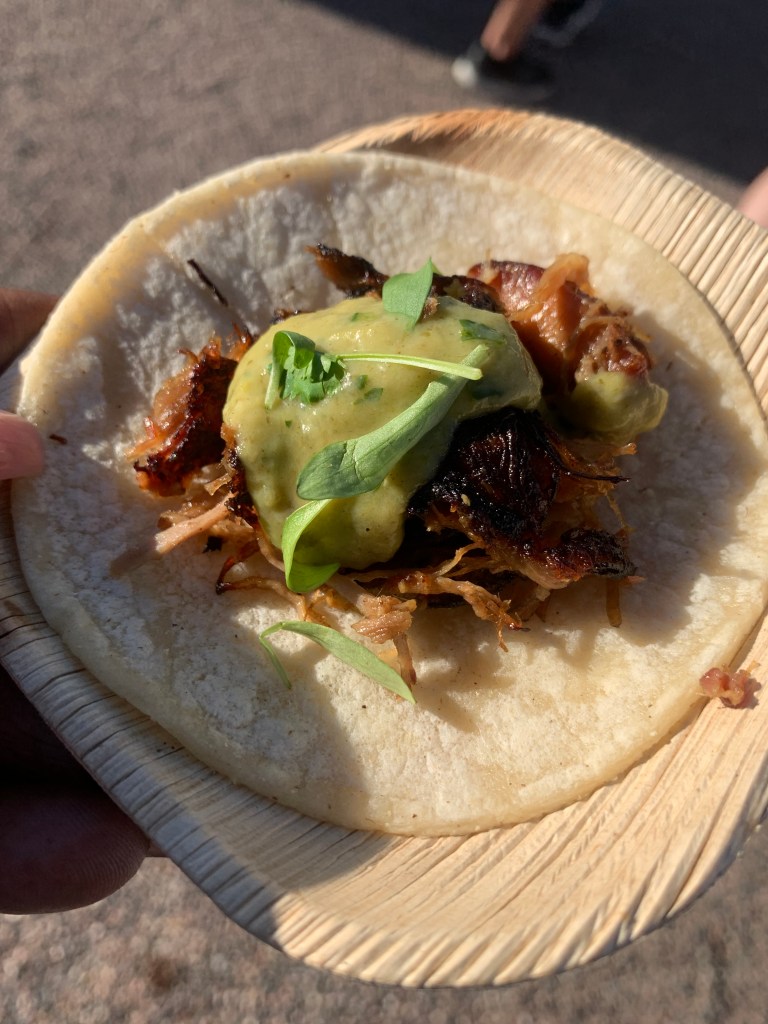
“If Gusโs Fried Chicken is at the festival, get in that line first.” A seasoned festival-goer shared this rule with me while we waited at the gates of the USA Today Wine & Food Experience, and she was right. One bite of the piping-hot chicken leg, perfectly seasoned with a hint of spice, set the tone for everything that followed.
Spring and fall kick off the festival season here in Arizona (we skip summer for obvious reason ๐ ), but the USA Today Wine & Food Experience deserves a spot on your list every year, no matter the season.
After see the USA Today Wine & Food Experience advertised on every social platform, I finally gave in and bought tickets to see if the hype was real. General Admission tickets were $65.00. Worth it.
TIP: Always take advantage of presale pricing. In some cases, you can save up to $20 per ticket.
Location, Parking, and Arrival Experience
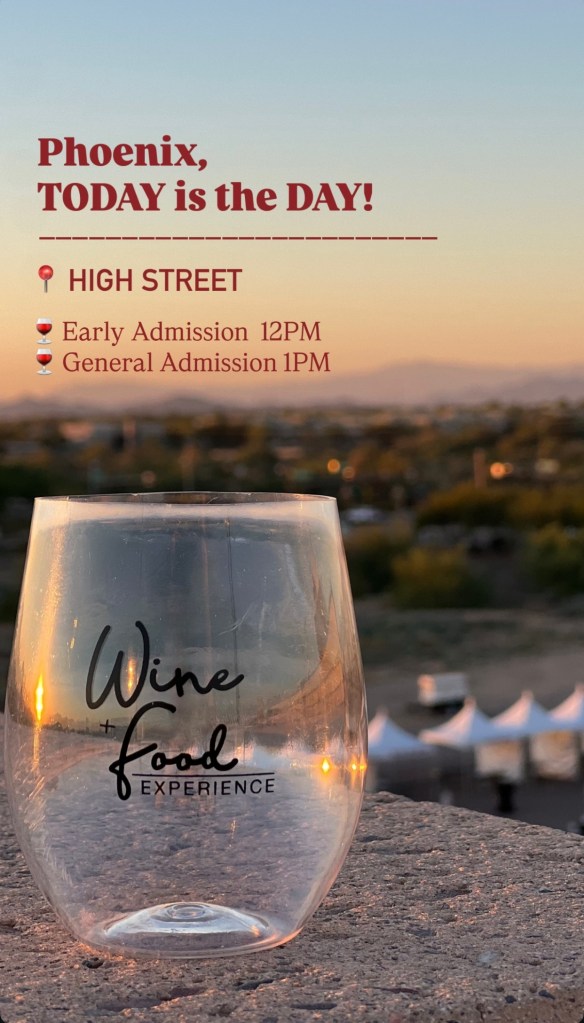
The festival takes place at an outdoor venue space on High Street in Scottsdale, Arizona. We arrived about an hour early to get in line, which turned out to be a great move.
Parking was easy and stress-free. We parked in the surface lot for free, and there was also a parking garage available for overflow parking. That was complimentary for the event day as wellโno validation required.
Entry Process and What’s Included with Admission
While waiting in line, the couple behind us asked if weโd attended the USA Today Wine & Food Experience in previous years. We hadnโtโbut they had.
We asked if early entry was worth the extra cost as we watched early entrants already enjoying the festival. Their answer? No.
After finishing the festival ourselves, we completely agreed. Everything is still available during standard entry hours (1 PMโ4 PM), and the lines move surprisingly fast. You wonโt miss out by skipping early access.
Entry Process and Whatโs Included With Admission
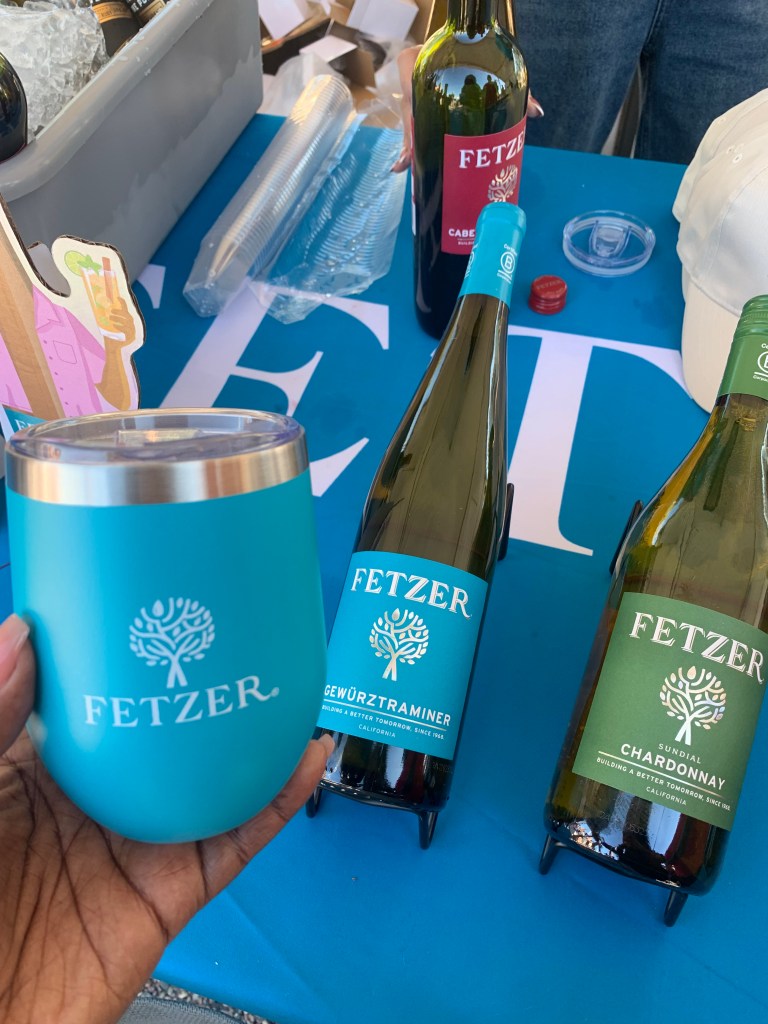
Before the gates opened, vendor staff walked the line to check IDs and place wristbands on everyone. Once security opened the gates, we were handed plastic wine glassesโand just like that, we were on our way.
Once inside, there are no additional costs. All wine and food samples are included with admission, which makes it easy to relax and enjoy without constantly pulling out your wallet.
TIP: Restrooms and hand-washing stations were easy to find, but also bring your hand-santizer.
Food, Wine, and the Gusโs Fried Chicken Rule
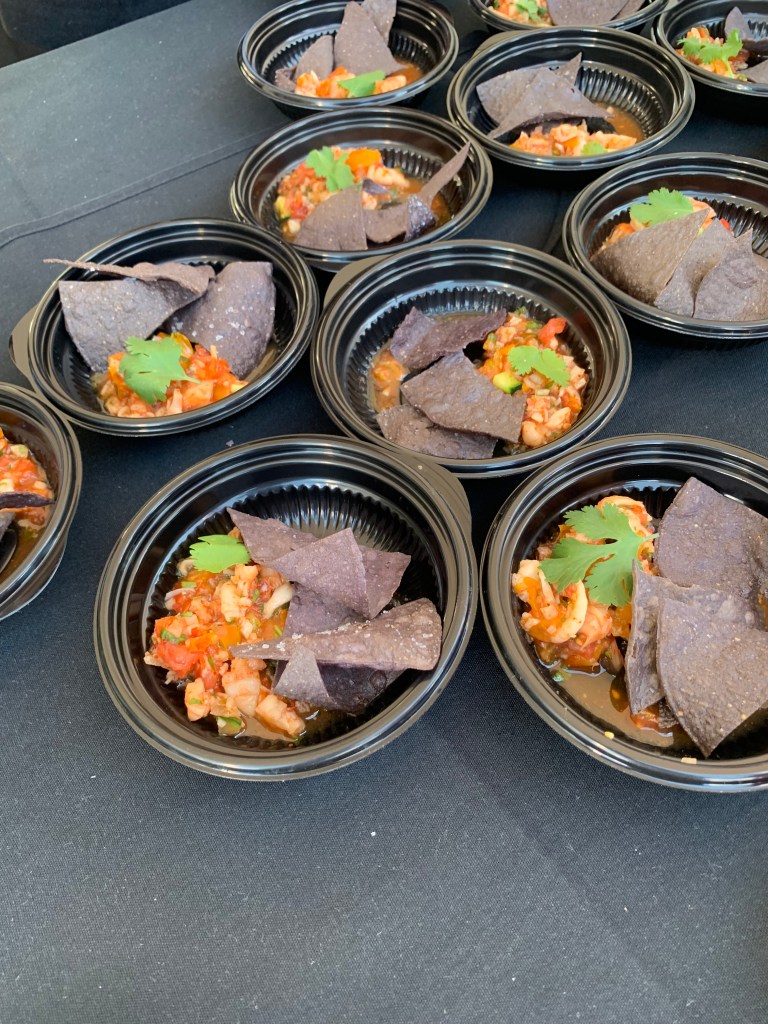
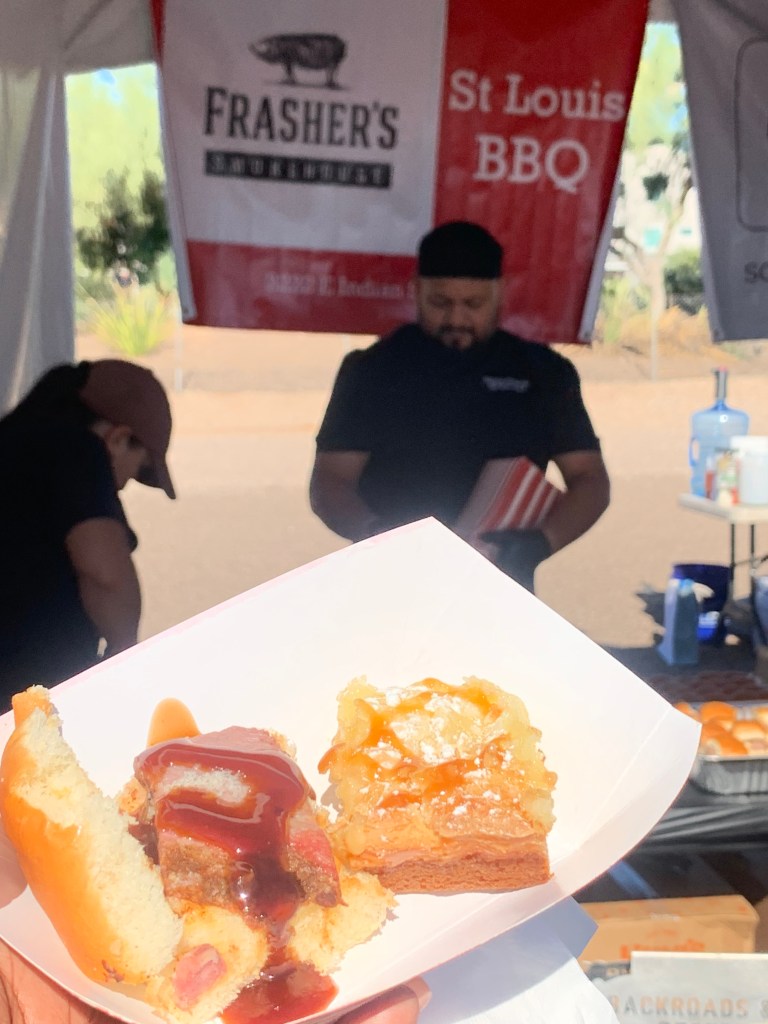
Most vendors offered small bites and wine samplesโexcept for Gusโs Fried Chicken.
Gusโs was by far the most popular vendor at the festival, handing out regular-sized chicken thighs and legs. A seasoned festival-goer shared an important rule with us: If Gusโs is at the festival, get in line first.
Even though the line looked long, we were through it in about five minutes. At first, I thought the portions were smallโฆ until I realized we hadnโt even made it halfway around the festival and I was already full.
There were plenty of seating areas and tall, stand-up tables scattered throughout the venue, making it easy to take breaks as needed.
The festival also had a well-curated playlist that set the vibe without overpowering conversations. Just enough energy to keep you moving in between booths.
TIP: Complimentary bottled water is provided. Bring a small bag to stash vendor freebies.
Standout Bites and Favorite Festival Moments
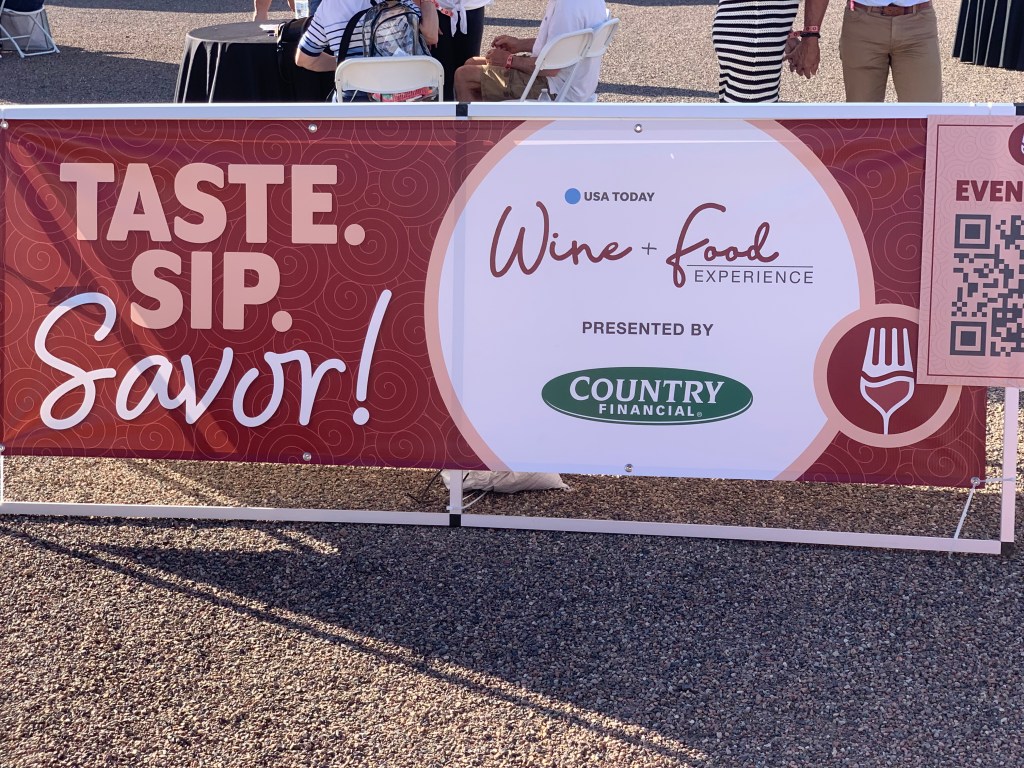
One of my standout moments was having one of the best lamb chops Iโve ever eaten. The Country Financial sponsored lounge-style seating had lamb chops straight off the flamed grill from the steakhouse, Ocean Prime.
I took one bite and immediately took a photo to remember the moment.
Some vendors featured at the festival included:
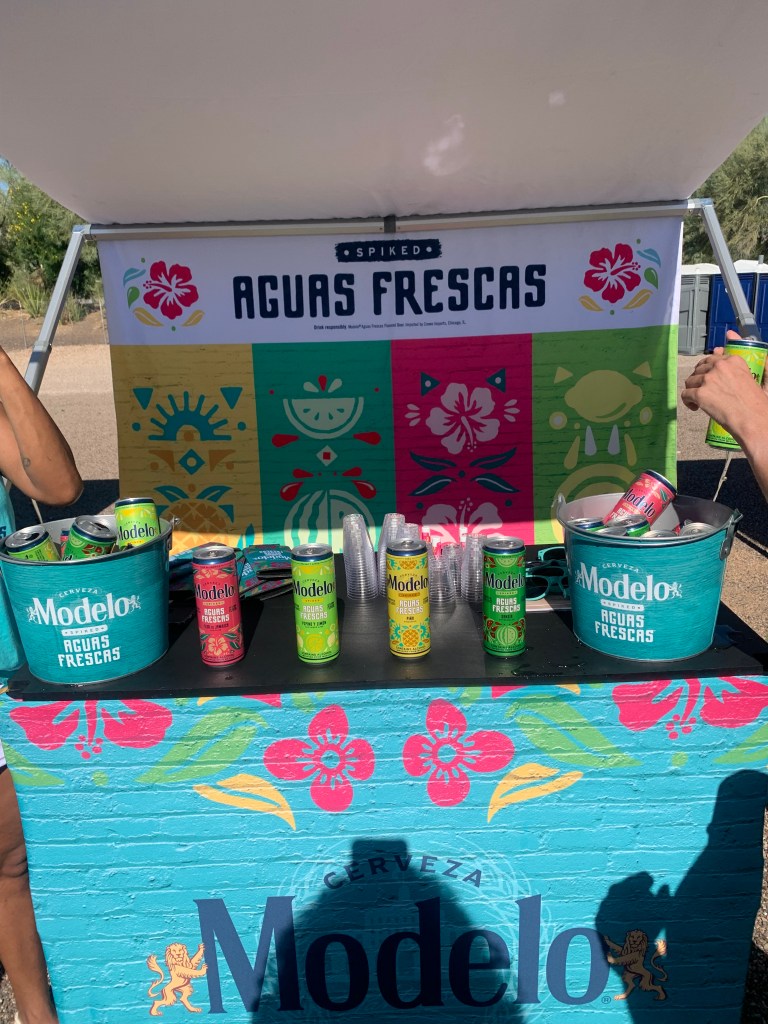
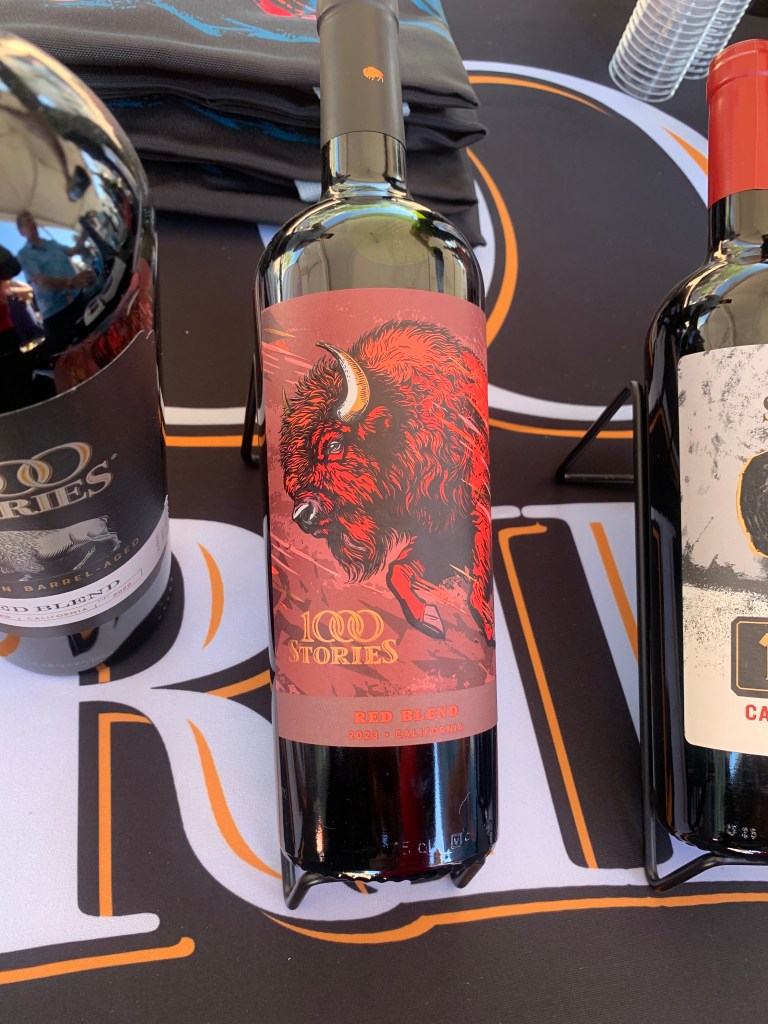
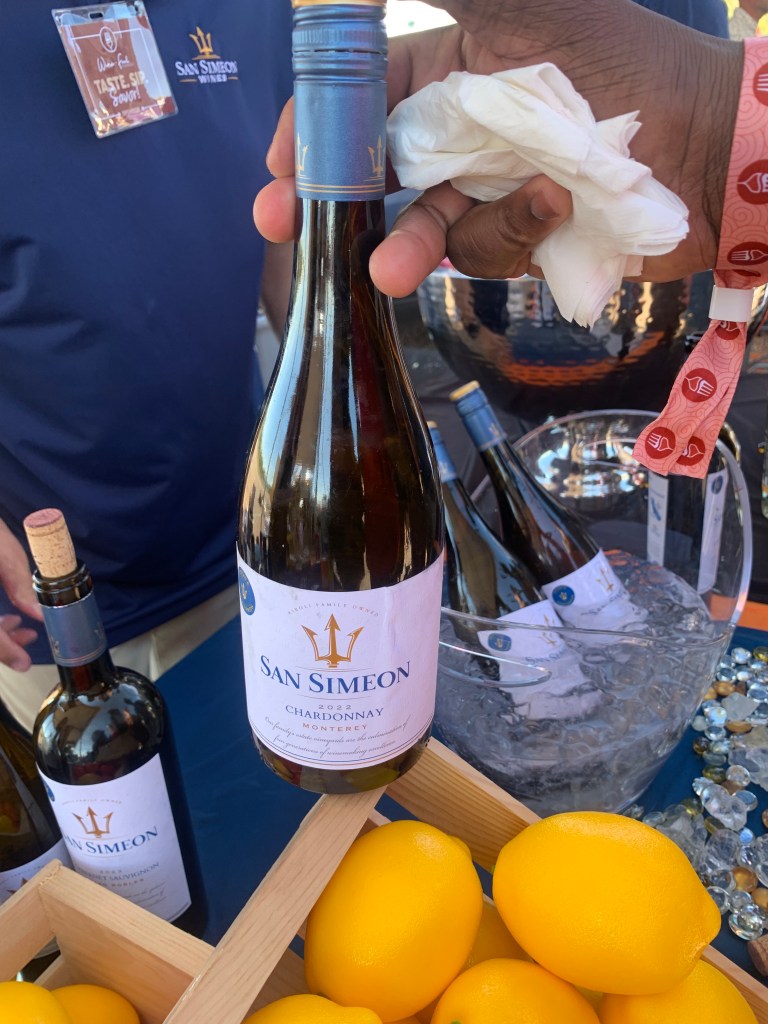
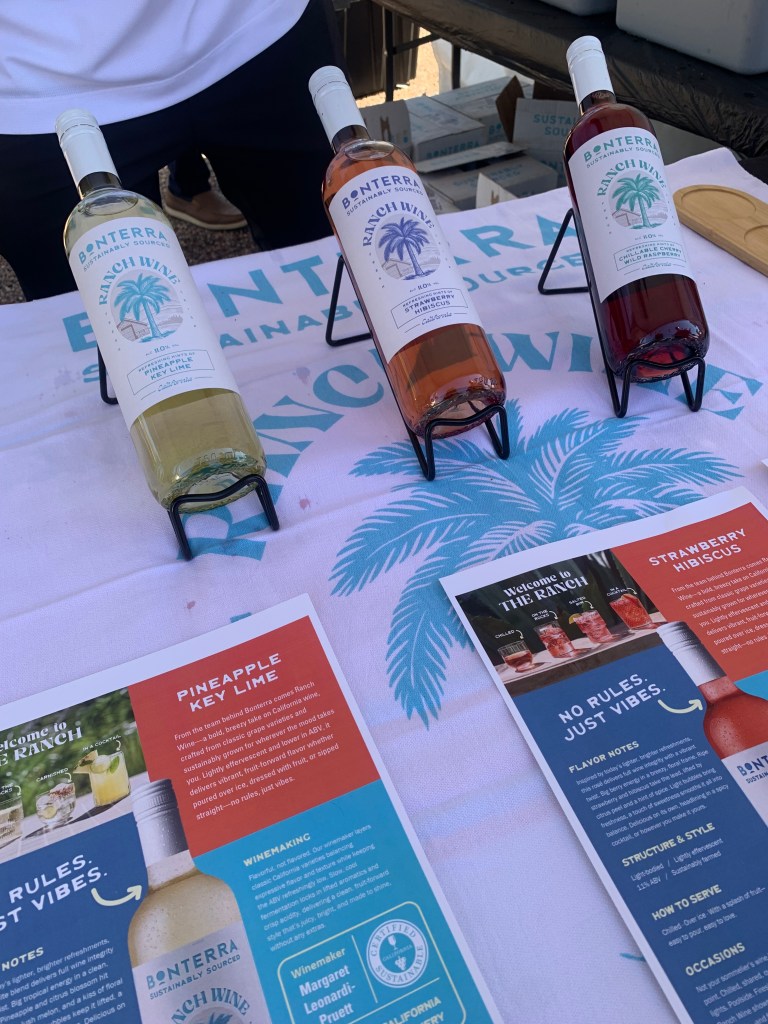
1000 Stories Benovia Winery California Fish Grill Casual Kitchen Casamigos El Bandido Yankee Tequila Fetzer Frasher’s Steakhouse & BBQ Gus’s Fried Chicken Humble Bistro Modelo Nosh & Por Ocean Prime Seafood & Steak Rancho La Glforia San Simeon Wines Titos
And Many More!
Wine, Spirits, and Pacing Yourself
Toward the end, I was officially tapping out and found a shaded seat where I stayed for a while, while my husband continued his journey through bourbon, whiskey, and liquor tastings.
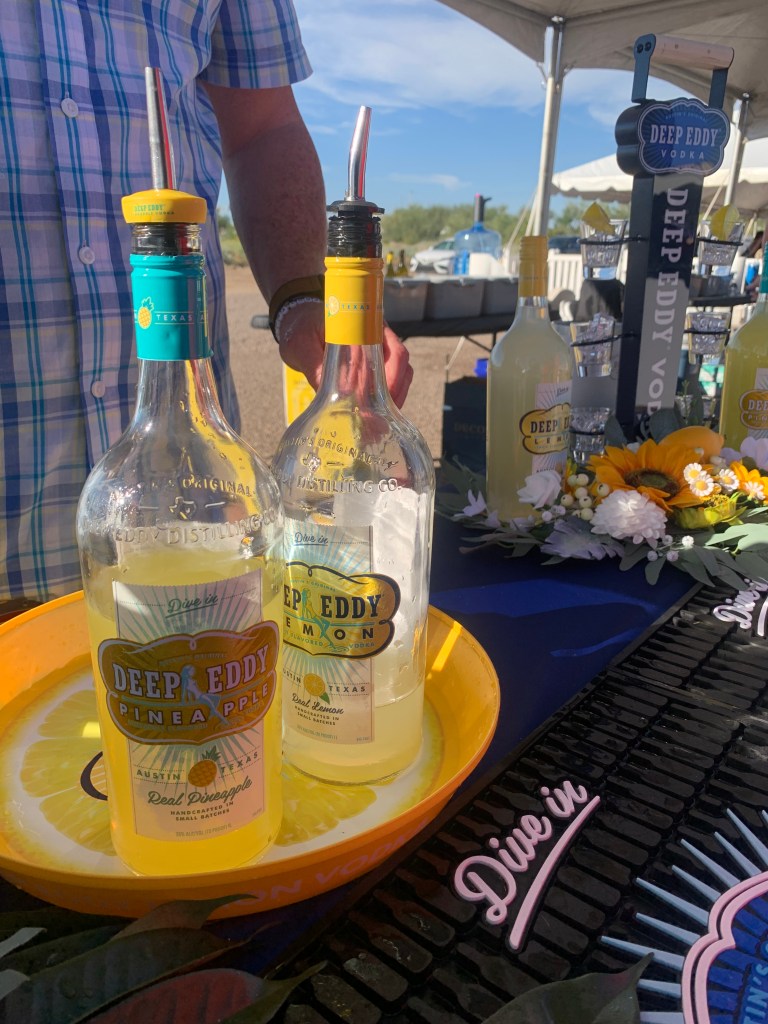
Even though itโs the Wine & FoodExperience, there were definitely some heavy hitters in the spirits category as well.
TIP: Always designate a driver before participating in tastings.
How Long to Expect to Stay
After making our roundsโand doubling back to our favoritesโwe headed out. Total time inside the event: about 2.5 hours.
It was the perfect amount of time to enjoy everything without feeling rushed or overwhelmed.
Final Verdict: Is the USA Today Wine & Food Experience Worth It?
The USA Today Wine & Food Experience is officially on our permanent annual list. We couldnโt stop saying how much of a good time it wasโand honestly, thatโs the best kind of review.
If you love great food, good wine, and a well-organized festival experience, this one absolutely delivers.
Subscribe so you never miss a Field Guideโand tell me, whatโs your favorite festival?
Thank you for subscribing!
Please check your email to confirming your subscription.
Leave a comment