Arizona, Arizona Travel, Exploration Guide, Family Travel, Field Guide, Field Notes, Living, Things-to-Do, Travel Tips

Butcher Jones Trail Guide: What 11,000 Hikers Reveal About Saguaro Lake | Tonto National Forest

Part of the Paths & Patterns Series

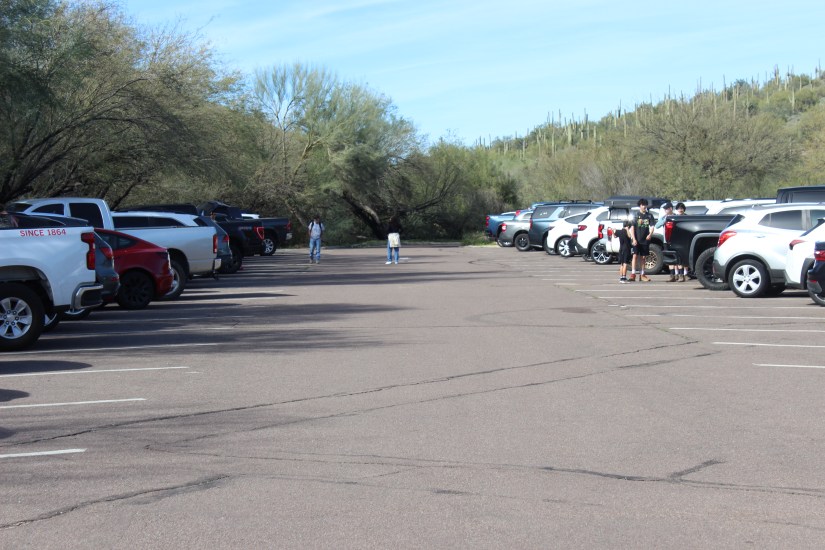
Arrived at Saguaro Canyon at 10 AM and the first thing you notice isn’t the trailheadโ€”it’s the parking lot choreography. Vehicles circling like vultures, waiting for hikers to pack up and leave, drivers nudging into spaces as quickly as possible. We circled once before surrendering to the overflow lot we’d initially passed on the way in. Immediate evidence this trail is loved hard.

Butcher Jones Trail Parking Lot

I almost died once on a hike up South Mountain’s Holbert Trail. My sister insists I was nowhere near death, but when you’re gasping for air halfway up a 1,000-foot elevation gain with no clear sense of how you’ll make it back down, semantics don’t matter much. That was my last time hiking Holbert Trail.

Recently, I wanted to investigate Butcher Jones Trail in the Tonto National Forest. Both trails are rated moderate by AllTrails.com. The key difference? Butcher Jones has a much more forgiving elevation gain at 638 feet compared to Holbert’s punishing 1,000. But what really drew me here was the numbers: 4.7 stars from approximately 11,000 hikers. When a trail gets that much traffic and maintains that rating, I want to know howโ€”and at what cost to the ecosystem.

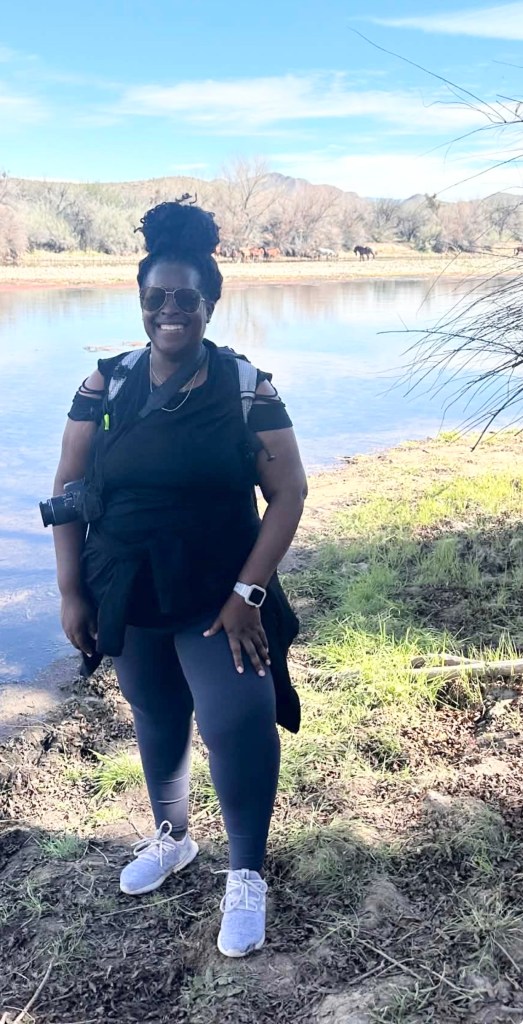
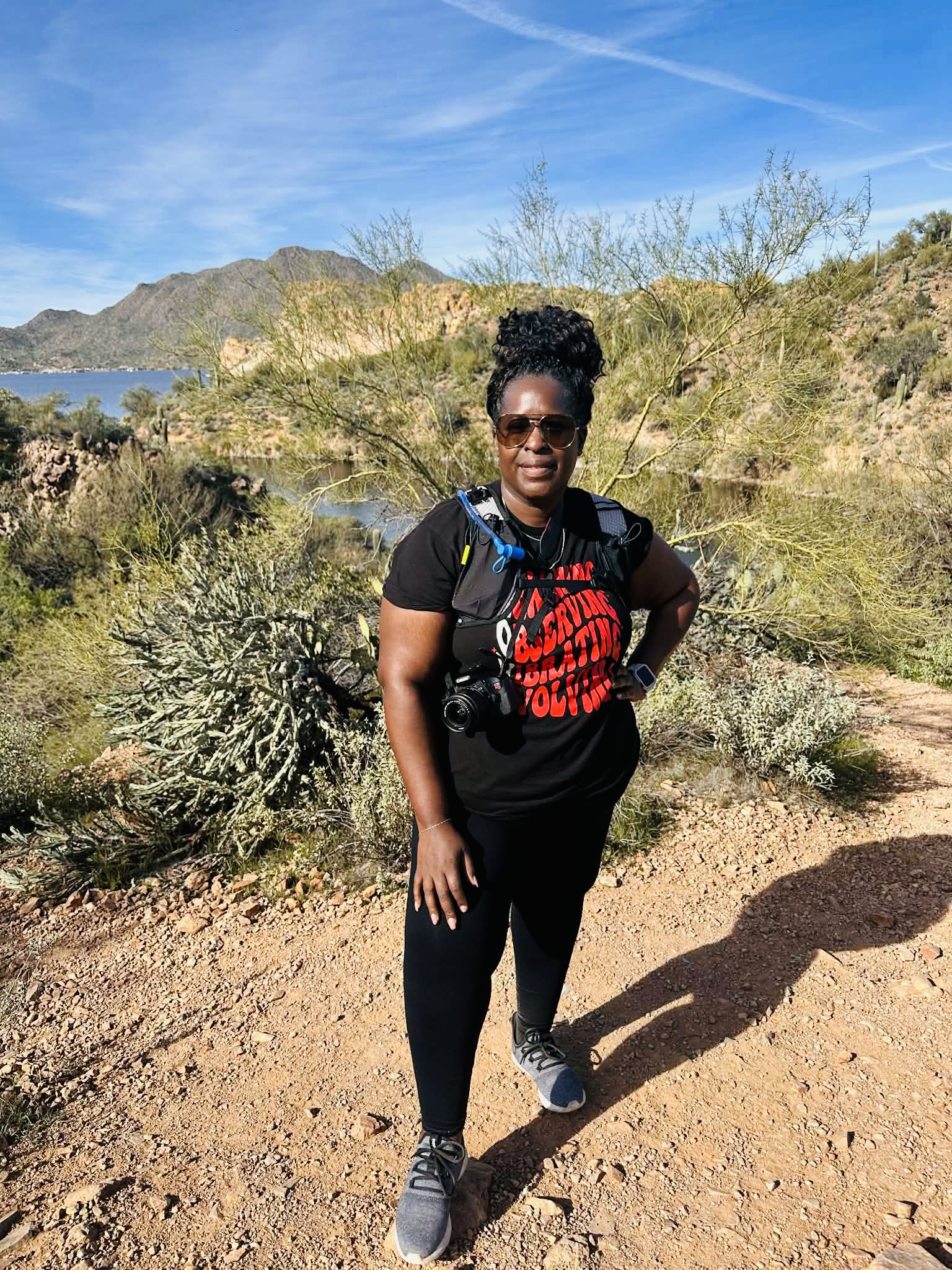
Starting the investigation with a full water pack, camera. and curiosity

THE DAM THAT CREATED SAGUARO LAKE

Butcher Jones is nestled just about an hour east of the greater Phoenix area, but the area I was about to explore didn’t exist a 100 years ago, at least not in this form. Saguaro Lake was formed by the Stewart Mountain Dam on the Salt River, built between 1928 and 1930. Once a free-flowing desert river became a reservoir serving as storage for irrigation, municipal use, and hydropower.

A Saguaro Lake Guest Ranch was built in 1927 during the construction of Stewart Mountain Dam to host workers during the build. Around 1930, once the dam was complete, a couple from Kansas purchased the land to be turned into a public use area. The transition from industrial construction site to recreation destination was complete. Fishermen came first, then hikers, thenโ€ฆ the Instagram and TikTok generation with their 11,000 AllTrails reviews.

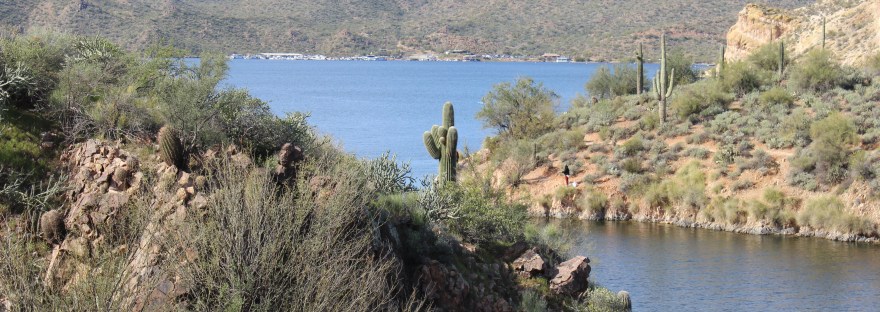
Saguaro Lake at Tonto National Forest

This trail wasn’t built for scenic overlooks or social media sunsets. It was constructed for one functional purpose: giving fishermen access to the lake. But somewhere between then and now, it became one of Tonto National Forest’s most-visited sites. The land has been responding ever since.

The wildlife and Saguaro Lake remain open to the public for fishing and hiking with an Arizona Fishing Permit from Arizona Game & Fish and/or a Tonto Forest Parking Pass.


FIRST SIGNS OF STRAIN

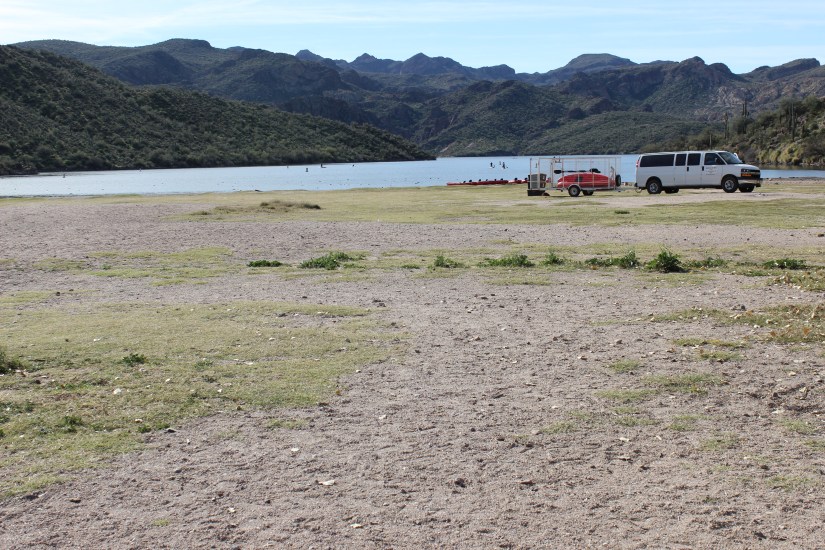
We fitted our water packs on our backsโ€”pre-filled with chilled water bladders, protein bars, grapes, and hand sanitizerโ€”and made our way through the bare recreational area near the lake. I took in the serene Saguaro Lake, then looked down at the ground beneath my feet: bare earth where grass once grew. This area hosts picnics, volleyball games, and serves as the launch point for fishermen entering the lake with their kayaks. The soil was packed hard, compacted by thousands of footsteps, coolers, and kayak launches.

Recreation Area at Saguaro Lake

A couple passing offered the advice of figuring out something else because: “The bathrooms are in dire need of attention.” Another small indicator of infrastructure struggling to keep pace with popularity.

TIP: Find the nearest restroom closest to Butcher Jones Trail before making the final trek into the Tonto National Forest.

THE TRAIL TELLS ITS STORY

Immediately upon entry onto the trail, I noticed evidence of reroutingโ€”new pathways carved to guide hikers away from eroded sections. Trail rerouting is one of the clearest signs that Butcher Jones has endured significant erosion over the years. The original path, worn down by boots and weather.

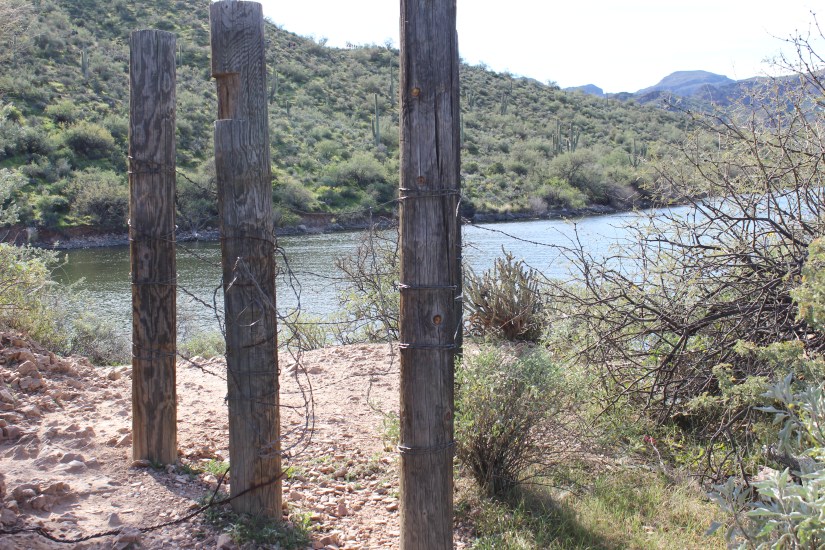
Further along, I spotted wooden posts wrapped in barbed wireโ€”signs of an older redirect attempt. The posts stood weathered and half-buried, marking what was likely a previous effort to keep hikers on a designated path. Over time, even redirected trails can fail. Erosion doesn’t stop just because you move the route; it follows the foot traffic. These posts were evidence that this trail has been fighting the same battle for decades: how to guide thousands of hikers without letting the land wear away beneath them.

Butcher Jones Trail Posts and Wire Rerouting

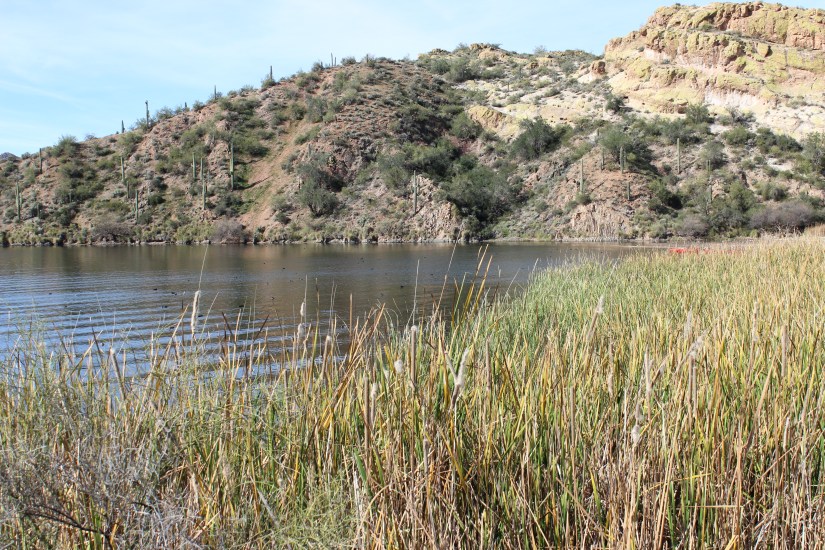
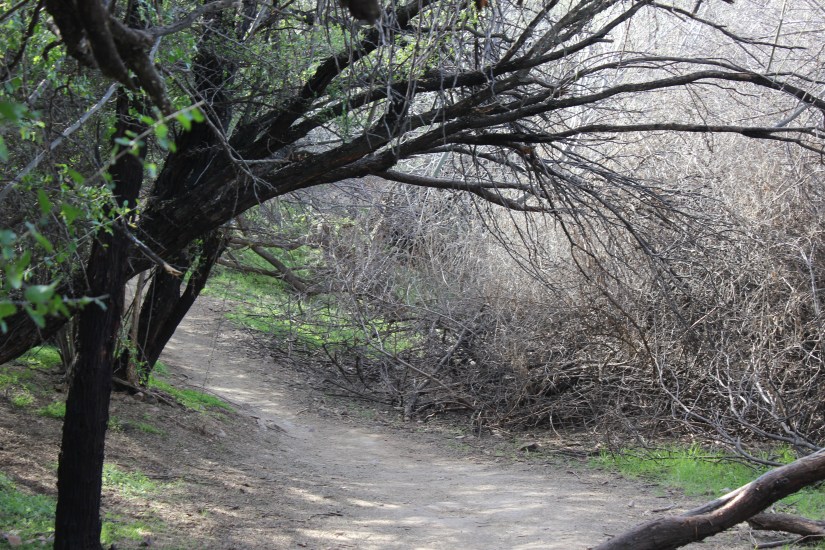
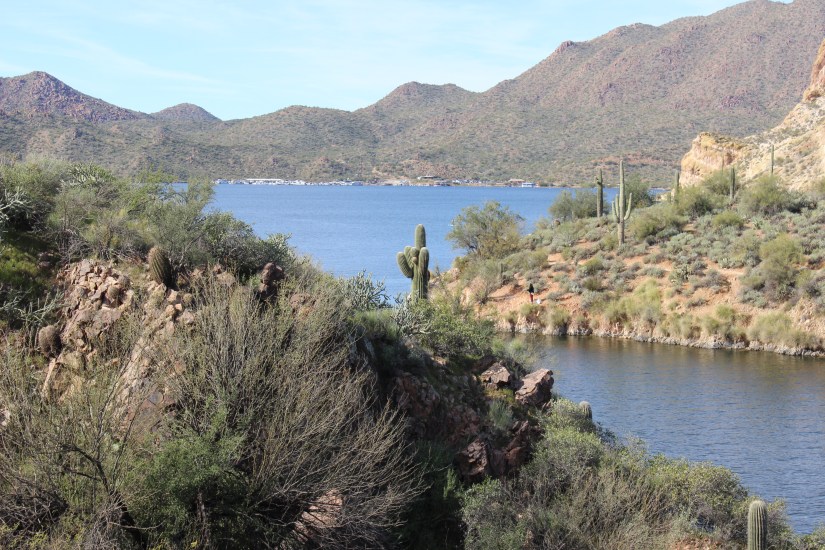
As the trail descended, it became very rockyโ€”loose stones shifting underfoot, requiring careful placement of each step. But eventually it smoothed out as we headed back toward the ascent. I paused to witness Saguaro Lake from the opposite direction: beautiful and serene despite the busy day of traffic on the trail. The contrast was strikingโ€”nature’s quiet whisper alongside human activity.

Butcher Jones Trail

There was chatter from the group behind me that they hadn’t seen the trail as busy as it was that day. Halfway through the trail, I made the decision not to attempt the full ascent. My body has changed since my breast cancer journey (more on that here), and I’m still learning what it can handle now. In a way, I’m adapting to new limits just like the Butcher Jones Trail isโ€”both of us responding to forces that reshaped us, finding new ways to function despite the wear.

Saguaro Lake on the Back Side of Butcher Jones Trail

In Arizona, this kind of self-awareness isn’t weaknessโ€”it’s survival. The Phoenix-area trails see hundreds of rescue calls every year. Knowing when to turn back can be the difference between a good story and a cautionary tale.

WHERE DID THE WILDLIFE GO?

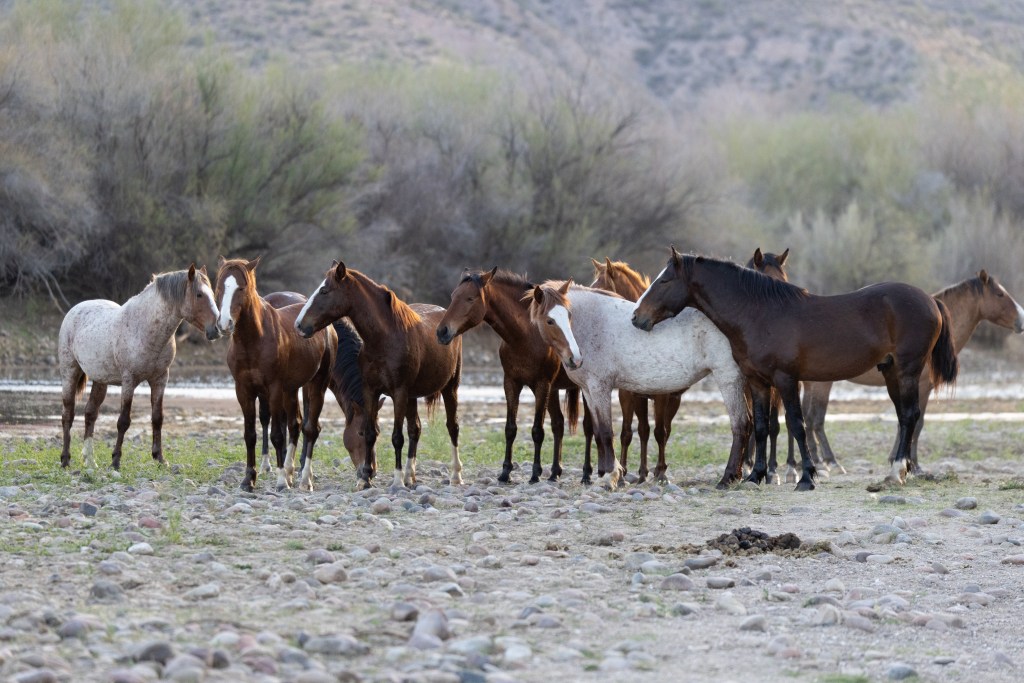
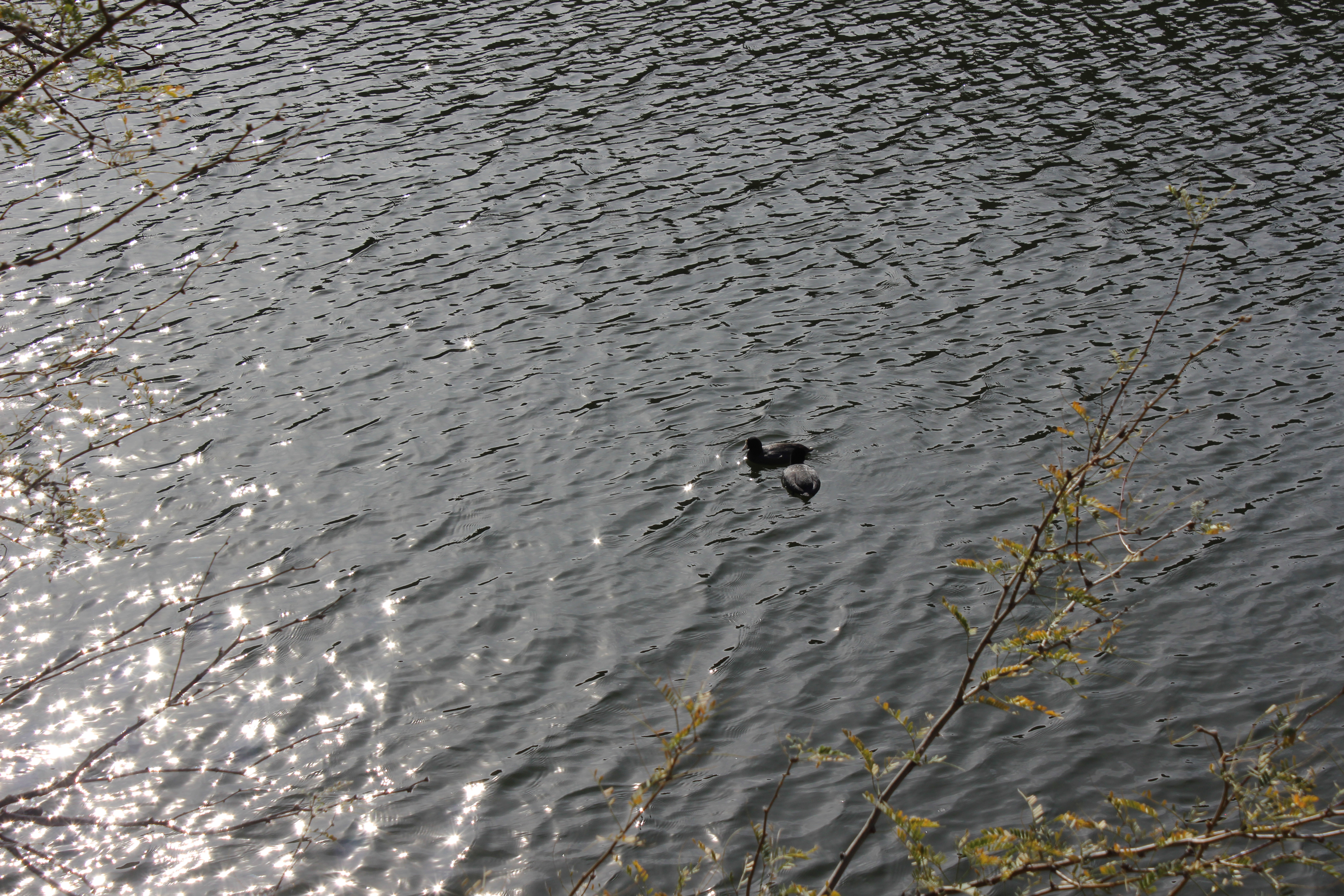
As we made our way back, I began to wonder why I’d seen no creatures besides ducks paddling quietly in the lake. I imagined even the smallest insect would land nearby for me to observe and capture. Nothing.

Ducks on Saguaro Lake near Butcher Jones Trail

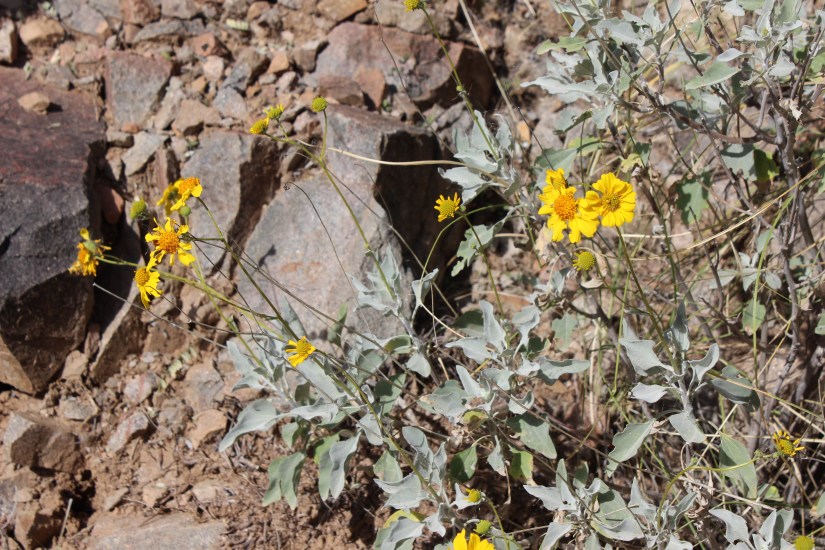
But thenโ€”a splash of color. Vibrant yellow flowers clustered along the trail’s edge, the only bright color in a brown and green desert palette. They seemed unbothered by the foot traffic, thriving in spaces where wildlife had retreated. Apparently, the animals had learned to avoid us, these wildflowers held their ground, blooming despite of.

Desert Marigolds at Butcher Jones Trail

I’m left wondering if the wildlife in the area have learned to yield to pedestriansโ€”retreating during peak human hours, laying low so-to-speak, before returning to their routines when foot traffic diminishes. Desert animals are adaptive by necessity. Perhaps they’ve simply adjusted their schedules around ours.

It’s a pattern I’ve noticed before: in my whale watching investigation here, I witnessed how Navy sonar disrupted migration routes, turning whales back north when they should have been heading south. Here, on Butcher Jones, the disruption is quieter but just as real. We don’t use sonar, but our presenceโ€”our volume, our numbers, our footprintsโ€”shapes behavior just the same.

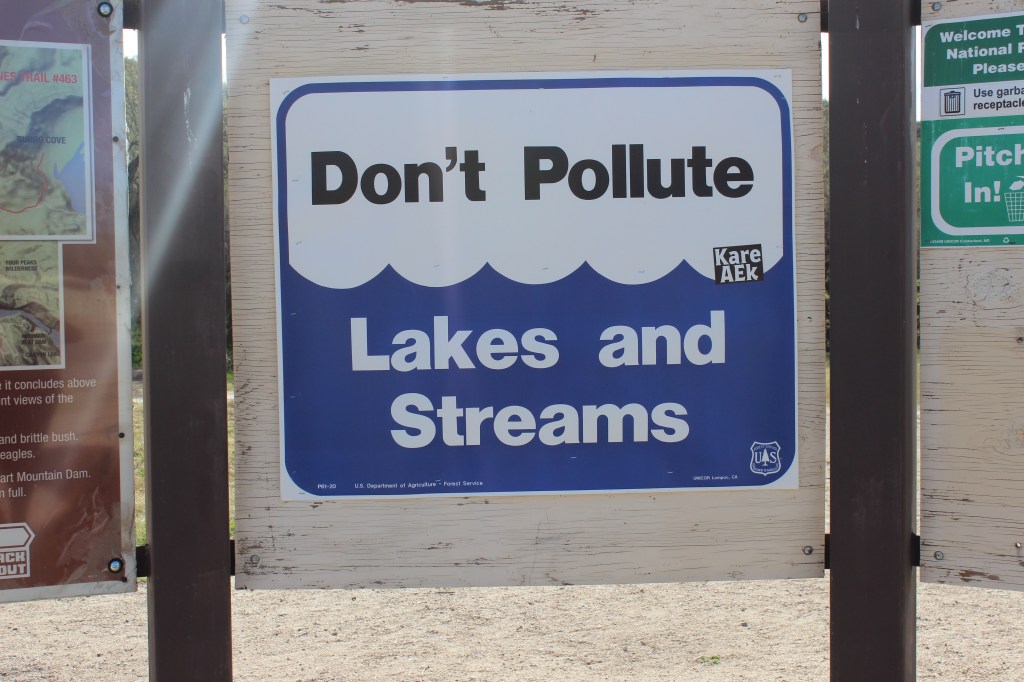
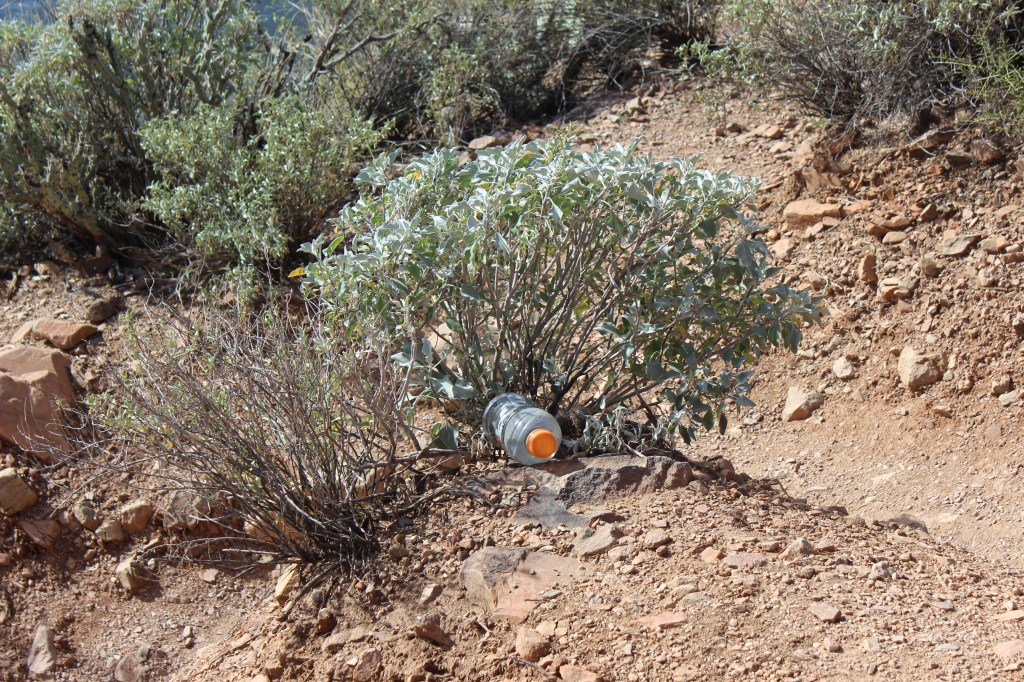
TIP: To keep the trail clean for future hikers and wildlife in the area, be sure to pack out all trash. What you leave behind doesn’t just affect the next human visitorโ€”it affects the creatures trying to reclaim their space when we’re gone.


FINAL THOUGHTS: WHAT I CAME HERE TO NOTICE

What I intended to investigate:
How a trail rated 4.7 stars by 11,000 hikers holds up under that much loveโ€”and what it costs the ecosystem.

What I didn’t expect to see:
Bare ground where grass once grew, visible before I even reached the trailhead. The pressure doesn’t start on the trail itself. It starts in the parking lot, in the recreational area, in the small infrastructure struggles that signal a place stretched beyond its original design.

What I’m still wondering:
At what point does popularity kill the thing we came to see? Butcher Jones was built for fishermen in an era when a few hundred people might visit in a season. Now it hosts thousands. The trail has been rerouted. The grass is gone. The wildlife seems absent. The bathrooms are failing miserably.

And yetโ€”it endures. The lake still reflects the canyon walls. The trail, though eroded in places, still guides us to views that take our breath away. There’s resilience here.

How I’m part of this:
I circled that parking lot. I added my footprints to the widened trail sections. I’m investigating this story while contributing to it, one more hiker among 11,000, one more person testing the boundaries of what a place can withstand. That tension matters.


Butcher Jones Trail Stats:

Distance: 4.8 miles out and back

  • Elevation Gain: 638 feet
  • Difficulty: Moderate
  • AllTrails Rating: 4.7 stars (approx. 11,000 reviews)
  • Location: Tonto National Forest, approximately 1 hour east of Phoenix
  • Permits Required: Tonto Forest Parking Pass and/or Arizona Fishing Permit (if fishing)

This is part of my Paths & Patterns seriesโ€”where I investigate how places and the people who love them shape each other. The goal isn’t to deter exploration. Explore with intention and attention, recognizing we’re all part of the story. The places we explore need us to see them, love them, and show up with curiosity and awareness.


Leave a comment

Expeditions, Exploration Guide, Family Travel, Field Notes, Living, Mission Bay, Newport Beach, San Diego, Travel Tips, Whale Watching

Whale Watching Exploration: Hidden Challenges Beneath the Waves โ€“ When Sonar Meets Migration


Whale Watching Exploration: Hidden Challenges Beneath the Waves โ€“ When Sonar Meets Migration

Whale watching is one of those rare nature experiences that can transform the way you think about the ocean. In Paths & Patterns, my series on following the rhythms of nature and uncovering the stories beneath the surface, this adventure gave me a front-row seat to the whalesโ€™ migration and the hidden pressures they face. Itโ€™s not just about sightings; itโ€™s about understanding the rhythm of migration. The delicacy of marine ecosystems, and the often unseen forces that shape these majestic giantsโ€™ journeys.

On our day out of San Diegoโ€™s Mission Bay, we boarded one of the fastest vessels on the water, the Hana Hou. Having been whale watching countless times before, and never experiencing anything quite like this, we knew early on this outing was different. This high-speed power catamaran cruises at over 30 mph, covering more ocean and improving sighting chances. We were treated to a few gray whales migrating south, playful dolphins, and sun-bathing sea lions. A vivid reminder of how dynamic and rich these waters can be when conditions align.

Hana Hou Gone Whale Watching Catamaran

But the peaceful picture wasnโ€™t the whole story. As we watched a U.S. Navy warship operating surprisingly close to shore, I had a realization. I thought about the broader pressures whales face. These pressures come not just from nature, but from human activity.


When Sonar Meets Migration: What the Law Says

Whales rely on sound for communication, navigation, feeding, and migration. Yet military sonar, particularly mid-frequency active (MFA) sonar, produces intense underwater noise that can disrupt these behaviors, sometimes with profound consequences. As we watched, the sonar signal we could hear with our human ears was no doubt magnified beneath the ocean, knocking the whales off their migration route and even turning them back north instead of their intended southbound path.

Image of the USS San Diego Navy Ship we witnessed utilizing sonar – DefenseNews.com

Under U.S. law, the Marine Mammal Protection Act (MMPA) and other regulations govern activities that might incidentally impact marine mammals. The National Oceanic and Atmospheric Administration (NOAA) Fisheries issues Incidental Take Authorizations (ITAs), which allow limited and unavoidable harmโ€”such as disturbance or injuryโ€”during training and testing while still requiring measures to minimize those effects.

After witnessing the gray whalesโ€™ confusion firsthand, itโ€™s easy to see why environmental groups have fought for stronger constraints on Navy sonar. In Southern California, legal settlements now prohibit mid-frequency active sonar in key feeding and habitat areas, such as between Santa Catalina and San Nicolas Islands and near San Diegoโ€™s whale feeding grounds.

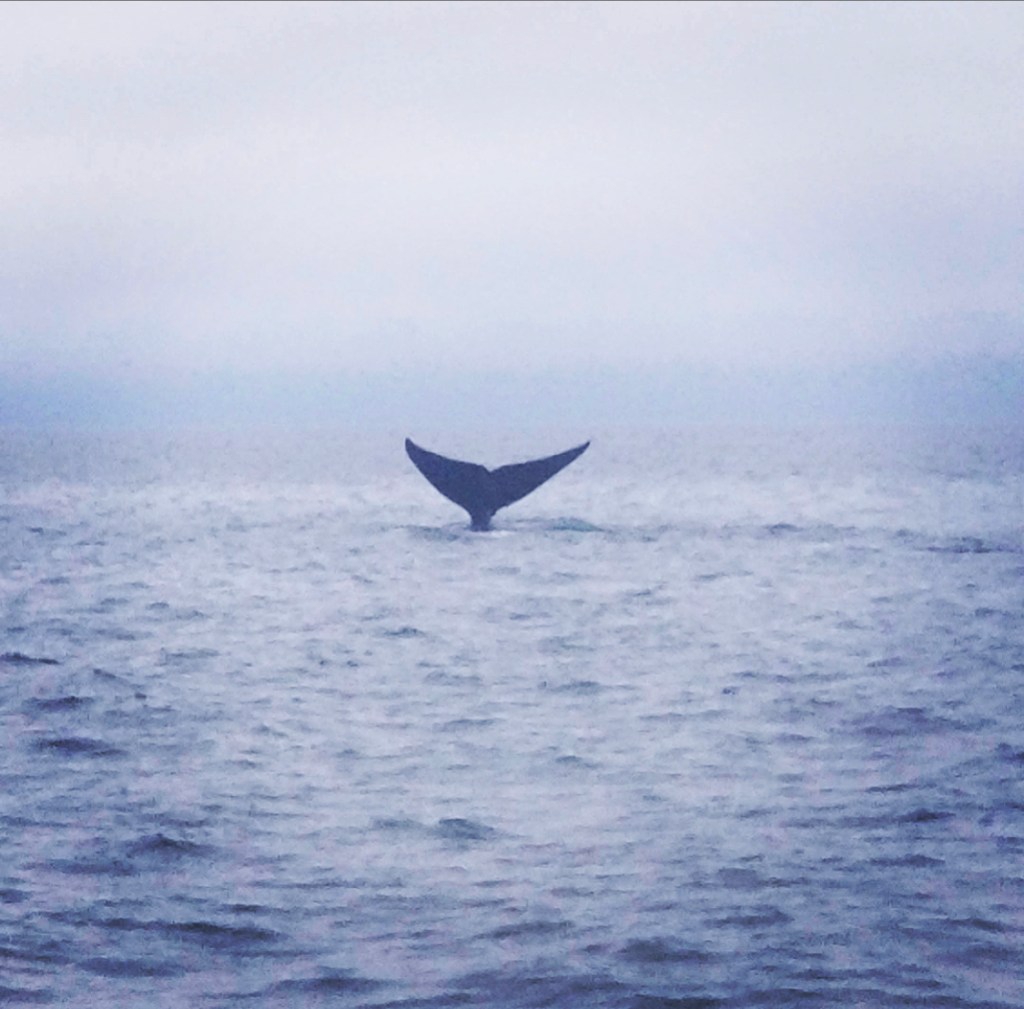
Blue Whale Tail Breaching

Laws Whale Watchers Should Know

Itโ€™s not just Navy sonar that matters. Commercial and recreational boaters are regulated, too. The federal government, through NOAA Fisheries and the MMPA, prohibits actions that harass or disturb marine mammals, including approaching them too closely or causing them to change their natural behavior.

Vessels like the one we were traveling on are generally expected to maintain respectful distances, often hundreds of yards depending on species and location. The vessels avoid pursuing or encircling animals. Once our captain realized the whales were being turned around, we left the area to give them space to return to their intended path. These guidelines are more than etiquette; theyโ€™re enforceable under federal law, and reporting violations can help protect these magnificent creatures.

Gray whales surfacing – Expedition with Gone Whale Watching

Whale & Wildlife Expeditions: Options From Budget to Premium

If youโ€™re planning your own whale watching expedition, whether in San Diego or another coastal destination, thereโ€™s a wide spectrum of tours depending on budget, duration, and how deep you want the experience to be:

  1. Budget-Friendly Voyages ($60โ€“$75)
    City Cruises whale watching tours typically range from $60 to $75 for a standard 2โ€“2.5-hour trip.

TIP: Check other local operators offering short trips. Shorter trips give you a taste of migration without breaking the bank.

2. High-Speed & Small Group Experiences ($60โ€“$110+) Gone Whale Watchingโ€™s Hana Hou offers fast, small-group tours starting around $60, with more intimate encounters thanks to less crowded vessels.

3. Extended & Premium Expeditions ($190โ€“$325)
Longer, 5-hour or extended whale watching and offshore wildlife toursโ€”often during peak blue whale seasonโ€”can cost $190โ€“$325 per person

For a practical checklist to make the most of your whale watching adventure, check out my free downloadable [Fathom the Journey – Whale Watching Exploration Guide below], designed to help you see more, stay safe, and fully enjoy the journey.


Final Thoughts: Whales, Waves, and What We Leave Behind

Whale watching is more than a bucket-list activity. Itโ€™s a front-row seat to the vulnerability and resilience of some of the planetโ€™s most magnificent creatures. Beyond the whale blows, deep dives, and playful dolphins, we get a glimpse of the complex pressures these animals navigate every day.

In Paths & Patterns, I focus on observing these rhythms, whether in whales, birds, or other wildlife that are affected by human activity, to better understand the delicate balance of marine and wildlife ecosystems. On that San Diego day, watching gray whales glide through the Pacific while a Navy ship loomed nearby was a moment of wonder and reflection.

This is more than a single adventure, itโ€™s part of the Fathom the Journey ethos: where every trip is a story, and every experience is an opportunity to connect, reflect, and explore.

Living, Product Reviews, Self-Care, Skincare, Skincare Routine, Summer/Winter Skincare Routine

My Skincare Routine: Simple, Steady, and Here to Stay (Dry & Sensitive Skin)

My Skincare Routine: Simple, Steady, and Here to Stay

Let me say this right off the top:

Cleansed Unfiltered Face

I am not the โ€œ20 products, switch it up every seasonโ€ girlie. I am a creature of habit with dry, sensitive skin, and once I find something that works, I stick with it.

It is not about chasing perfect skin.

Waitโ€ฆ yes, it is! Ha.

But it is also about feeling clean, hydrated, and cared for, with the fewest steps possible.

Building a Skincare Routine

If you are trying to build a skincare routine, you might have to go through a little trial and error. Do not get discouraged. You are just figuring out what your skin likes, and that takes a little patience.

If you are anything like me, this part can be fun.

Researching, discovering, reading reviews, it is all part of the process.

Biggest Tip!

Add one new product at a time.

That way, if something causes irritation or throws your skin off, you know exactly what to eliminate, without having to guess.

My Morning Routine: Rinse, Hydrate, Protect

I do not cleanse my face in the mornings. Why?
Because honestly, what were you doing overnight that your face needs a full reset?

Never mind, I do not want to know. Unless you want to tell me. 

Here is what I reach for in the AM:

โ€ข Splash of cold water โ€“ That is it. Just to wake up my face.

โ€ข La Roche-Posay Vitamin C Serum โ€“ A quick hit of brightness and antioxidant protection. Lightweight and smooth under everything.

โ€ข The Ordinary Squalane Oil โ€“ My OG. My day-one favorite. I have used this for years, and my skin loves it, especially when it is dry or irritated. A few drops and my skin feels instantly calmer and smoother.

โ€ข Kiehlโ€™s Avocado Eye Cream โ€“ Hydrates and softens. I told my cousin I felt like I needed Botox under my eyes. She said, โ€œNo you do not,โ€ so I bought this instead.

โ€ข Kiehlโ€™s Ultra Facial Cream with Squalane โ€“ My favorite moisturizer. Thick enough to do its job, light enough not to feel greasy. My other favorite moisturizer, La Roche Posay Double Repair.

โ€ข Trader Joeโ€™s Daily Facial Sunscreen (SPF 40) โ€“ No white cast. Great for us brown-skin girls. No irritation. No weird smell. Just clean sun protection that layers perfectly, even if you are applying make-up.

That is it. Five products. Five minutes. And I am out the doorโ€”or at least closer to it.

New Facial Cleansing Tool

Iโ€™ve been using my new FOREO facial cleansing device, and I love it. Itโ€™s incredibly soft on my skin but still feels like itโ€™s doing real work. My face feels cleaner and smoother every time I use it.

The silicone bristles are gentle. The T-Sonicโ„ข pulsations give a deep cleanse without stripping my skin, which is perfect for my dry skin.

I love it so much. Iโ€™m seriously considering upgrading to the larger version and passing this one down to my daughter (sheโ€™s already been eyeing it!). Itโ€™s one of those skincare tools that makes you wonder why you didnโ€™t add it sooner.

Foreo is currently having a Birthday sale. Visit, http://www.foreo.com and use promo code: PARTY35 for 35% off.

Night Routine: Cleanse, Restore, Sleep

At night, it is non-negotiable: I double-cleanse my face.

Not because I wear a full face of makeup, I usually do not, but because the air is filthy.

Pollution, sunscreen, whatever is floating around out there, it all needs to go.

โ€ข La Roche-Posay Lipikar Oil Cleanser โ€“ Gentle, hydrating, and removes everything. It breaks down makeup effortlessly, even waterproof stuff, and still leaves my skin soft, not stripped. Their Gentle Hydrating Cleanser is also good!

โ€ข Kiehlโ€™s Avocado Eye Cream โ€“ Hydrates and softens. I told my cousin I felt like I needed Botox under my eyes. She said, โ€œNo you do not,โ€ so I bought this instead.

โ€ข Kiehlโ€™s Midnight Recovery Oil (New Addition) โ€“ During girlsโ€™ night, this was said to be a must-have. I picked it up during Kiehlโ€™s SALE. It adds a little glow and feels like quiet luxury.

โ€ข Kiehlโ€™s Ultra Facial Cream with Squalane โ€“ Same as the morningโ€”because why mess with what works?

Why This Works for Me

This routine is:

โ€ข Hydrating, not heavy

โ€ข Simple, not boring

โ€ข Consistent, not complicated

It is easy, it is gentle, and it makes me feel like I am doing something good for myself every single day.

And I love that for me.

Skincare rule: Do not let your neck betray you.

Youthful face + moisturized neck = aging gracefully together.

For Anyone Whoโ€™s Overwhelmed

If you are building your routine or trying to simplify things, here is what I have learned:

You do not need a shelf full of products. You just need a few that your skin responds to, and that you enjoy using.

Start simple:

Cleanser + Moisturizer + Sunscreen

What about you?

Are you a routine lover or a product explorer?

Drop your faves or your ride-or-die skincare items in the comments.

I always love hearing what works for other people, even if I am not changing up anytime soon.

Family Travel, family-travel, Living, Travel, Travel with Kids

20 Frequent Asked Carnival Cruise Questions Youโ€™re Probably Already Wondering About

20 Frequent Asked Carnival Cruise Questions Youโ€™re Probably Already Wondering About

And yes, Iโ€™ve got answers. Letโ€™s get you cruise-ready, without the overwhelm.

Planning your first (or fifteenth) Carnival Cruise? Whether you’re traveling with your partner, your kids, or your crew, there are always questions that pop up before you set sail. And if youโ€™re anything like me, you want real answers from someone who’s been there, not a maze of fine print (but I include links with all that too).

So I rounded up 20 of the most frequently asked cruise questions, from what to pack to how not to lose your Sail & Sign card. Letโ€™s break it all the way down.


Before You Sail: Planning & Prep

1. Do I need a passport to go on a Carnival Cruise?

If your cruise is closed-loop (starts and ends in the same U.S. port), a birth certificate + photo ID works. But a passport is the safest option in case of emergencies.
โ†’ Carnivalโ€™s official ID requirements

2. Are cruise fares refundable if I canโ€™t go?

It depends on how early you cancel. The closer you get to your sail date, the less youโ€™ll get back.
โ†’ Carnivalโ€™s cancellation policy
Pro tip: Consider adding Carnival Vacation Protection for coverage and peace of mind.

3. Is there a minimum age to cruise?

Yesโ€”6 months old for most cruises, 12 months for longer or exotic ones. And anyone under 21 must sail with someone 25 or older in the same room.
โ†’ Carnivalโ€™s minor guest policy

4. Can I bring my water bottle or canteen?

Yep! Bring your reusable bottle and refill it at water stations onboard. Insulated bottles are clutch for port days.

5. Can I bring snacks or drinks onboard?

You can bring sealed snacks and one 12-pack of non-alcoholic drinks (cans or cartons) per person. No glass bottles, no liquor (unless itโ€™s the one bottle of wine per adult).
โ†’ Carnival beverage policy


Cabins, Cards & Spending

6. How many people can sleep in a stateroom cabin?

Most cabins fit 2โ€“4 people, and some family rooms or suites fit up to 5. For bigger groups, connecting rooms are your best friend.

7. What can I use so I donโ€™t lose my Sail & Sign card?

Get a lanyard with a pouch. It keeps your card handy for everything. Room access, purchases, boarding, and getting on and off the ship at ports of call.

8. Do kids have access to money on the ship?

Yes, through their Sail & Sign card. It works like a debit card onboard.

9. Can I put a spending limit on my childโ€™s Sail & Sign card?

Absolutely! You can cap or block spending for kids and teens right in your Carnival Account or at Guest Services.

10. Are gratuities (tips) included?

Theyโ€™re automatically addedโ€”about $16โ€“$18 per person/day depending on your cabin. You can prepay or adjust onboard.
โ†’ Gratuities explained


Life Onboard: Food, Fun & Feeling Good

11. Whatโ€™s included in the cruise fare?

Your room, all meals (excluding specialty dining), drinks (water, tea, lemondade and juice during breakfast), pools, shows, and onboard activities. Youโ€™ll pay extra for Wi-Fi, excursions, soda, alcohol drinks, and spa services.

12. Is Wi-Fi available on board?

Yes, but itโ€™s not free!  Carnival has 3 plans: Social, Value, and Premium.
โ†’ Carnival Wi-Fi packages

13. Is there bottled water on the ship? How much does it cost?

Yes.. You can pre-order a case to your room or while on the ship through room service.

14. Do people get sick on cruises?

Sometimes. Sea sickness or colds are the most common.
Tips to avoid it:
โ€“ Book a mid-ship, lower deck room
โ€“ Bring Dramamine, Sea-Bands, or ginger chews
โ€“ Drink plenty of water, avoid heavy meals prior to sailing, and get fresh air while on board
โ†’ Carnivalโ€™s health guidelines

15. What should I wear on the cruise?

Daytime: swimsuits, casual wear.
Evening: cruise casual with a couple โ€œCruise Elegantโ€ nights (think cocktail dresses or slacks & button-ups).
โ†’ Carnival dress code


In Port & On Excursions

16. Are shore excursions worth it?

Yes, if you want more than beach time or walking along the piers. Carnival offers excursions for every vibe. Relaxing, adventurous, foodie approved. You can also wait and book an excursion on your own.ย  Just donโ€™t miss that ship. No, but seriously, donโ€™t miss the ship.

17. Is cruising good for families or couples?

Both. Thereโ€™s something for everyone: waterparks and kidsโ€™ clubs for families, adults-only spaces and spas for couples. You set the tone and the vibe you want to have while sailing.


Packing & Practical Tips

18. What should I NOT pack for a cruise?

Leave these at home:
โ€“ Irons or steamers
โ€“ Candles/incense
โ€“ Drones
โ€“ Surge protectors
โ€“ Alcohol (unless itโ€™s your one wine bottle)
โ†’ Carnival prohibited items

19. How do I stay in touch with my family and friends that are on the ship?

Use the Carnival Hub app to chat for just $5 per person (no Wi-Fi plan needed).
Some families also bring mini walkie-talkies. Great for kids or those who donโ€™t use phones much. Just know the signal works best on open decks.

20. Is cruising worth it?

Absolutely. You unpack once, wake up somewhere new every day, and everything you need is right there on the ship. Whether you want relaxation, nonstop fun, or a little of both, youโ€™re covered.


Final Cruise Tips from Me to You:

โ€“ Download the Carnival Hub App before you board
โ€“ Bring a power strip (non-surge) for extra outlets
โ€“ Take a photo of your passport and ID just in case
โ€“ Donโ€™t forget meds, sunscreen, and comfy shoes
โ€“ Pack the patience, good vibes, have a blast


Want more cruise tips, destination guides, or family travel ideas?
๐Ÿ’Œ Subscribe to my blog or follow me on Instagram @SharondaShariee for the real, real.

Let me know what else you’re curious aboutโ€”if youโ€™re wondering, someone else probably is too. I got you!

Affordable, Awards, Banquets, Basketball Players, Building It Yourself, Easy To Build, Football Players, Home DIY, Living, Storage Ideas, Things-to-Do, Trophies, Tutorials, Woodworking

DIY Trophy Shelf: How to Build and Hang a Trophy Shelf in One Afternoon

DIY Trophy Shelf: How to Build and Hang a Trophy Shelf in One Afternoon

Iโ€™ll admit it, I know my way around tools and woodworking a bit. But donโ€™t worry, you donโ€™t need to be an expert to tackle this project. This DIY trophy shelf is simple, affordable, and quick to execute with just a few tools and materials.

For years, my familyโ€™s trophies sat forgotten in a tub, then later on a cabinet, gathering dust. Honestly, I should have built these shelves ages ago. Donโ€™t make the same mistake I did! Grab your materials today. Finally give those hard-earned awards, or any items you have been wanting to display, the showcase they deserve. Letโ€™s get building!

Materials You Will Need:

  • Common Board

You can find one here for about $20:

 1 in. x 12 in. x 6 ft. Common Board 458511 – The Home Depot

  • Heavy Duty Shelf Brackets
  • Purchase them here for about $18:

Amazon.com: 4 Pcs Heavy Duty Shelf Brackets 8 Inch Industrial Metal Floating Bracket Shelving Supports Wall Mounted with Lip (Not Included Planks) : Tools & Home Improvement

Tools:

  • Saw (or have your local hardware store make the cuts for you if you donโ€™t have a miter saw)
  • Sandpaper
  • Measuring tape
  • Drill
  • Stud finder
  • Leveler
  • Spray paint or stain (your choice of color/finish)

Letโ€™s Get Started:

1. Cut Your Board

If you are making your own cuts, measure and cut your board to the desired length. In this example, I am making two 3-foot-long shelves from one 6 foot length board cut in half.  If you do not have a saw at home, do not worry. Most local hardware stores can make cuts for you.

2. Sand Your Boards

Move to a workspace or table and lay your boards flat.  Begin sanding each side until the surface is smooth to the touch.  This will likely be the most time-consuming step.  If you have a power sander, I highly recommend using it to cut your sanding time in half.  I sanded by hand this time because I did not feel like dragging my sander out.

Once you have sanded down both sides and eliminated any rough edges, dust off the boards to remove debris.  Be sure to also dust your workspace so it is clean and ready for the next step.

3. Paint or Stain

I chose spray paint because it is fast and easy. Staining the wood is another excellent option. It provides a beautiful finish. I have done both in other parts of my home, and they both look awesome.  Paint or stain one side of the boards and let them dry while you prepare your wall for the shelves.

4. Measure and Mark the Wall

While your boards are drying, go to the space where you plan to hang the shelves.  Use a stud finder to locate the studs in the wall.  Mark the stud locations with a pencil to ensure the shelves will be properly supported.

Next, measure and mark where the brackets will be placed.  Drill the first bracket into the wall. Use a leveler to ensure the second bracket is even before drilling it into place.  Repeat this process for the second shelf. Use a trophy or another item to gauge the appropriate spacing between the shelves.

5. Finish Painting the Boards

Once the brackets are installed, return to your workspace. Flip the boards over to paint or stain the other side.  Once finished, allow them to dry completely. (Pro tip: use this drying time to take a break or, in my case, make dinner!)

6. Assemble the Shelf

Once both sides of the boards are dry, bring them inside and place them on the brackets.  Arrange your trophies or other items on the shelves how you see fit.

7. Show Off Your Work

Finally, call everyone in to admire your craftsmanship.  Enjoy the compliments from your family. They will tell you what an amazing job you did building and hanging a trophy shelf. You accomplished this all in just one afternoon!

Final Thoughts: This project is not only quick and rewarding but also customizable.  You can build a display for trophies, books, or decor. This method can be easily adapted to suit your needs.  Happy building!