
Fathom the Journey – Paths & Patterns Series
HOW IT STARTED
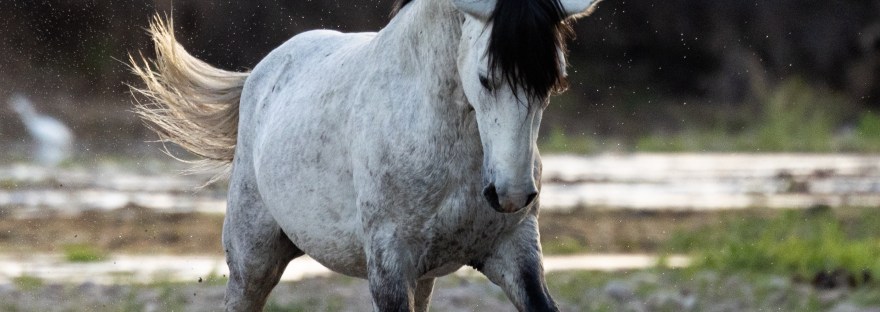
Wild horses have never been high on my list of must-see animals. But after years of hearing how people go out of their way and even travel from neighboring states to track down the Salt River wild horses in Arizona, I kept filing the hike away under eventually. Then I started to wonder what I was missing. Then curiosity got the best of me, and as part of my Paths & Patterns series, I had to go investigate for myself.
Patrick Smith, friend and professional photographer, is an expert explorer and frequents the many hiking trails in the Tonto National Forest area exploring the native wildlife. I randomly asked if he had been out to see the Salt River Wild Horses, and he replied he had, and he photographs the horses often. Over weeks, he debriefed me on how to navigate the area, and finally I felt equipped enough to make the trek through Coon Bluff Trail.
A NOTE ON THE TRAIL NAME
Now, you may think the name Coon Bluff Trail is a little suspect, but hold on, the name is short for Raccoon. The trail was given its name back in 1919 when a group of boy scouts trapped a raccoon on the trail and pranked their parents into believing it was a different type of meat. The name has since been controversial, even The U.S. Board on Geographic Names’ Domestic Names Committee considered changing the name, and the USDA Forest Service already formally refers to the trail as Raccoon Bluff Day Use Area. So, since we have cleared that up, the trail is accessed via the Coon Bluff Recreation Area. You will need a Tonto National Forest day pass to park.
FINDING THE HERD
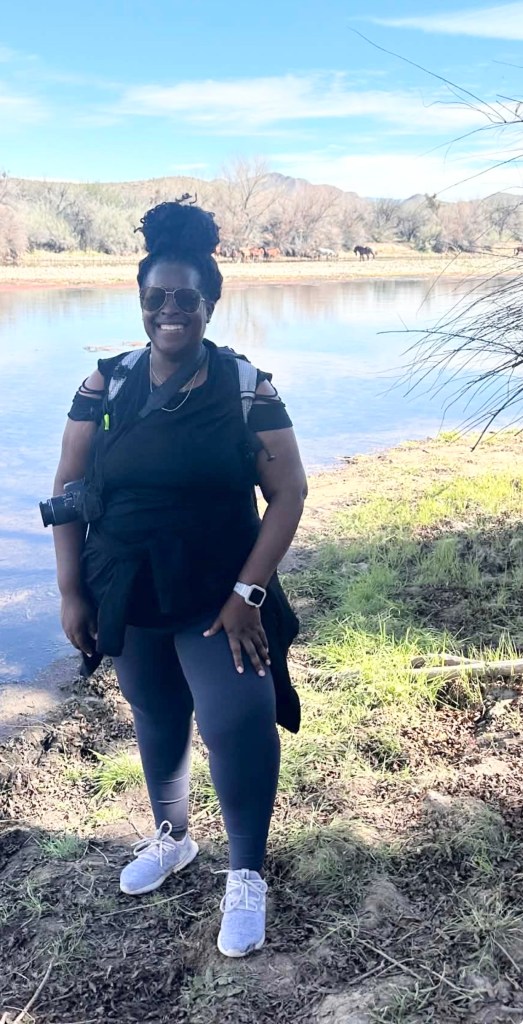
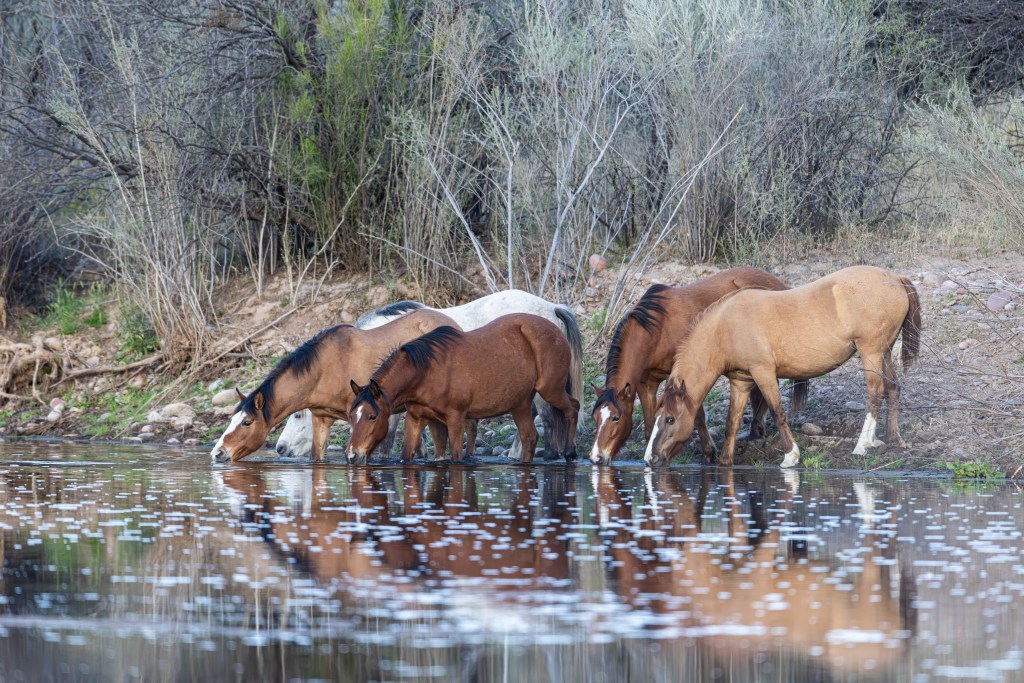
I immediately knew that I would not even have a chance of seeing the Salt River Wild Horses until I reached at least one mile into the hike, Patrick said do not even start looking until then. I kept close watch on my fitness tracker, and at the one-mile mark we started asking others on the trail walking from the wilderness we were approaching if the horses had been spotted. First couple: no horses. Second group: no luck, better chance at dusk or dawn. Third couple: “Yes, we saw them. Stay close to the river and when you feel the trail start to ascend, stay low.” I checked my fitness tracker, and 1.21 miles in, there they were. The investigation ended. I felt like the trail had finally decided to let me in on its secret. Let me warn you, there is a chance that you will not see the Salt River Wild Horses. If you go in knowing this, it lessens the disappointment, but also, be persistent and do not be afraid to ask other trail hikers if they have seen the Salt River Wild Horses, it is a normal banter on the trail.
TIP: This hike will take more out of you than you expect. Eat a solid meal before you go, hydrate well before you hit the trail, and bring more water than you think you need. The terrain is uneven, the sun is relentless, and the mile back feels longer than the mile in. A hydration pack is your best friend out there. I used my hydration pack the entire way.
UNDERSTANDING THE BANDS
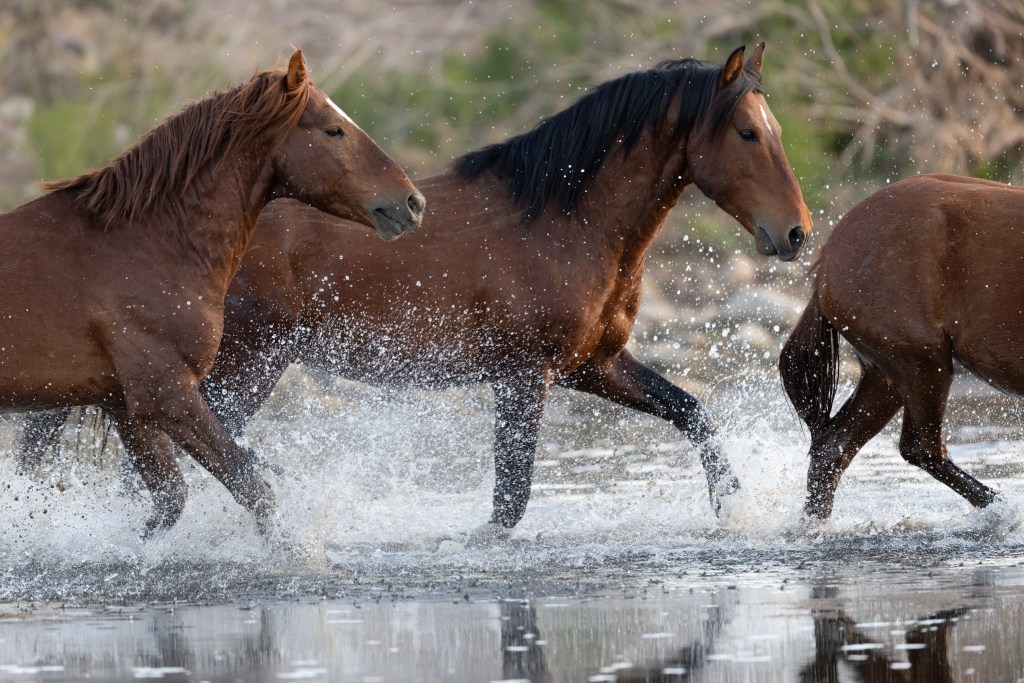
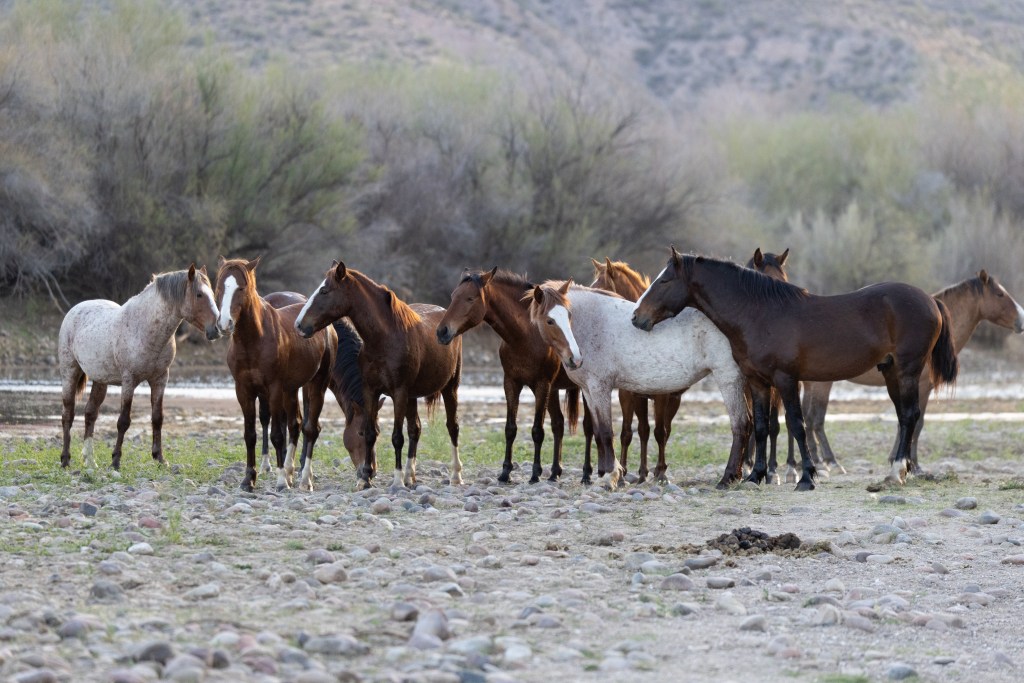
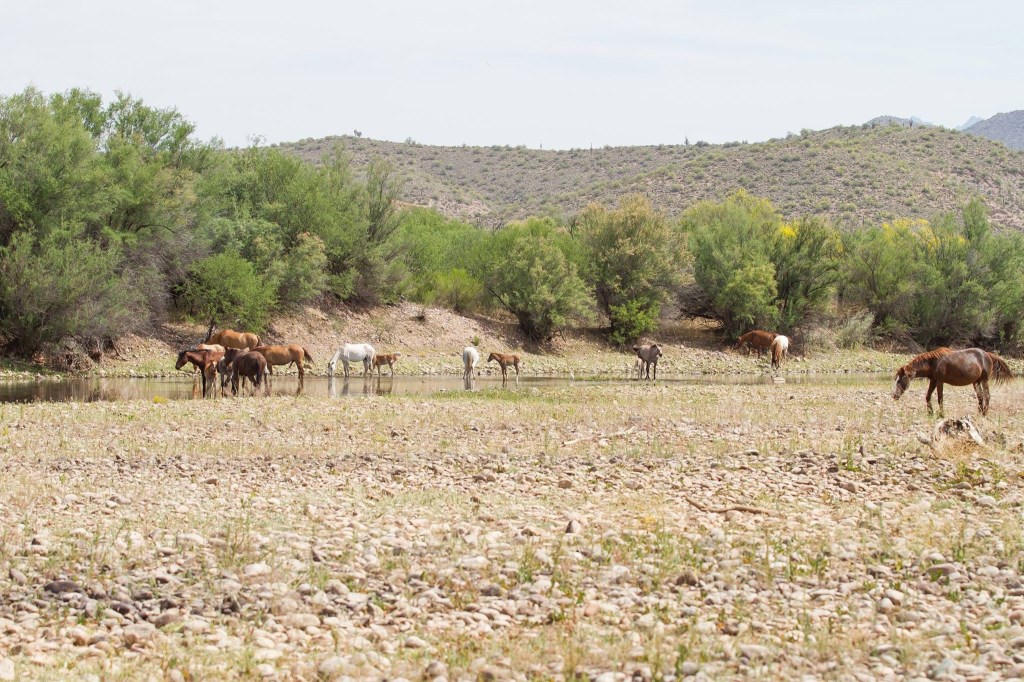
Finding the bands matters more than you might think. The Salt River Wild Horses are not stationary, they are constantly on the move, following their natural grazing behavior and daily roaming. They come down to the river to drink, graze along the banks, and then retreat back into the forest as part of their routine movement patterns within their home range. Catch them at the wrong moment in that cycle and you will walk the entire trail and see nothing but beautiful desert landscape along the moving Salt River, which there is nothing wrong with that.
WHO IS PROTECTING THE SALT RIVER WILD HORSES
What helps sustain the bands between those cycles is the work of the Salt River Wild Horse Management Group, an Arizona-based 501(c)3 nonprofit dedicated to monitoring, studying, and protecting the Salt River wild horses. They supplement the horses’ grazing with additional feeding, helping the bands maintain their health and numbers in an environment that, similar to the Butcher Jones Trail, you can read here, is feeling the same pressure of growing human presence.
WHAT’S COMING FOR THE SALT RIVER WILD HORSES
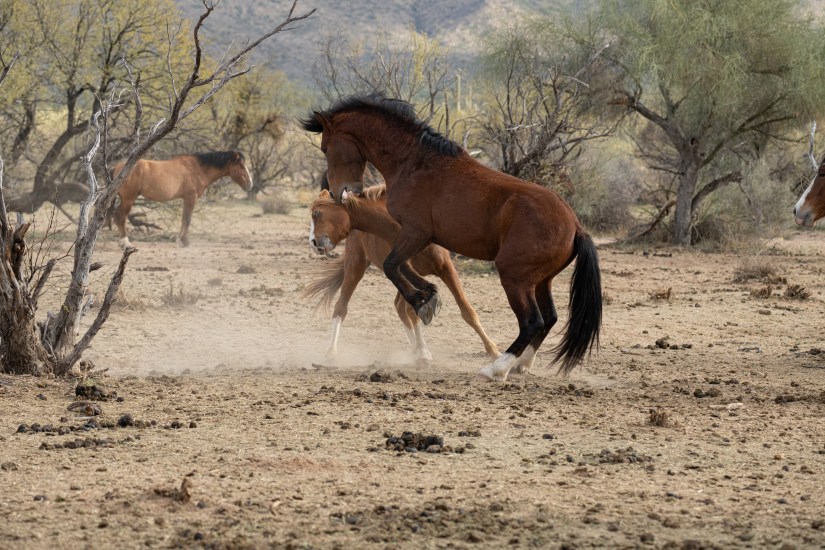
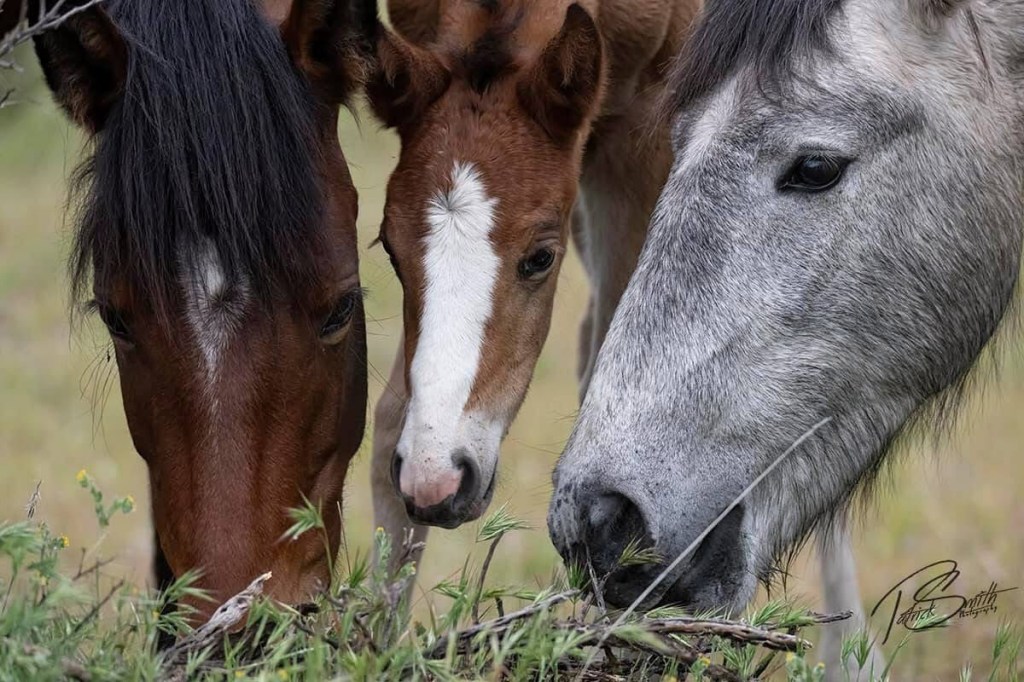
What makes this moment particularly urgent is that the Salt River wild horses are at a crossroads. Patrick has photographed these horses for years, and he has watched the numbers fluctuate dramatically, and with that, watched the forest floor change beneath them. More horses mean more grazing, more wear and tear on the forest floor, more pressure on the habitat that both the horses and the surrounding wildlife depend on. He does not advocate for or against what comes next. He just knows what changes he has seen.
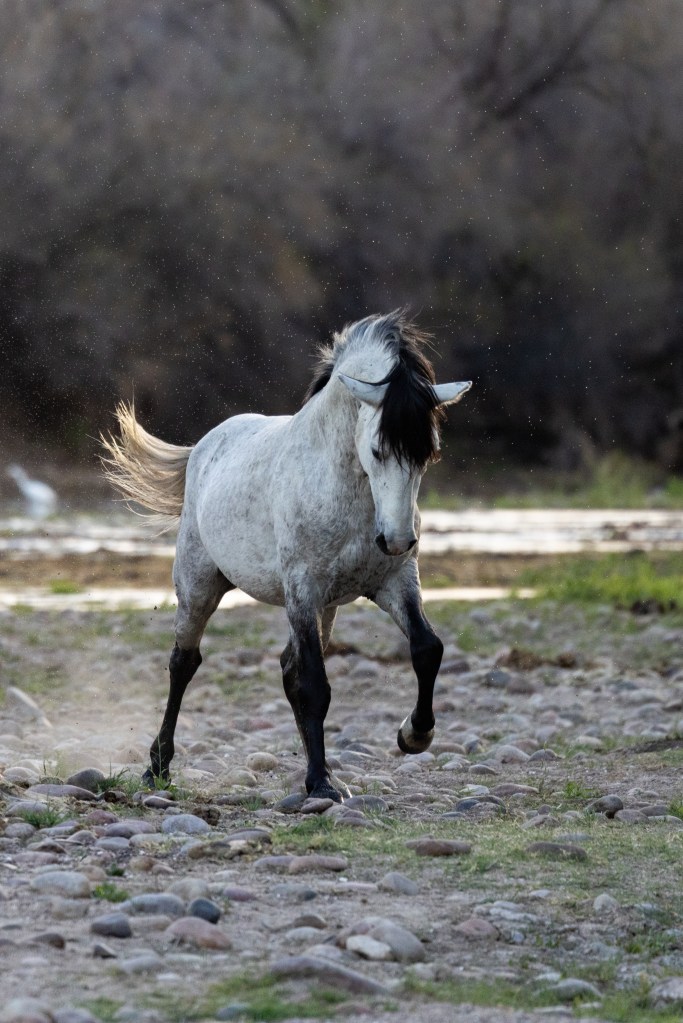
The community is divided, but what I have learned is the herd must be reduced from approximately 274 horses down to about 120. That is more than half. Roughly 25 horses per year will be relocated to pre-vetted sanctuaries, with fertility control slowing future growth in the meantime. Relocation will begin in September 2026, which means this summer is the last time visitors floating the Salt River will see the herd at its current size.
WHAT I LEFT WITH
I came to Coon Bluff Trail curious and left with insight into a world that I was not necessarily interested in but left enlightened to the joy that these horses have brought the community near and far, and a sense of quiet urgency within our wildlife environment. These horses are a wild family navigating the same pressures the rest of us are, shrinking space, growing crowds, and forces beyond their control making decisions about their future.
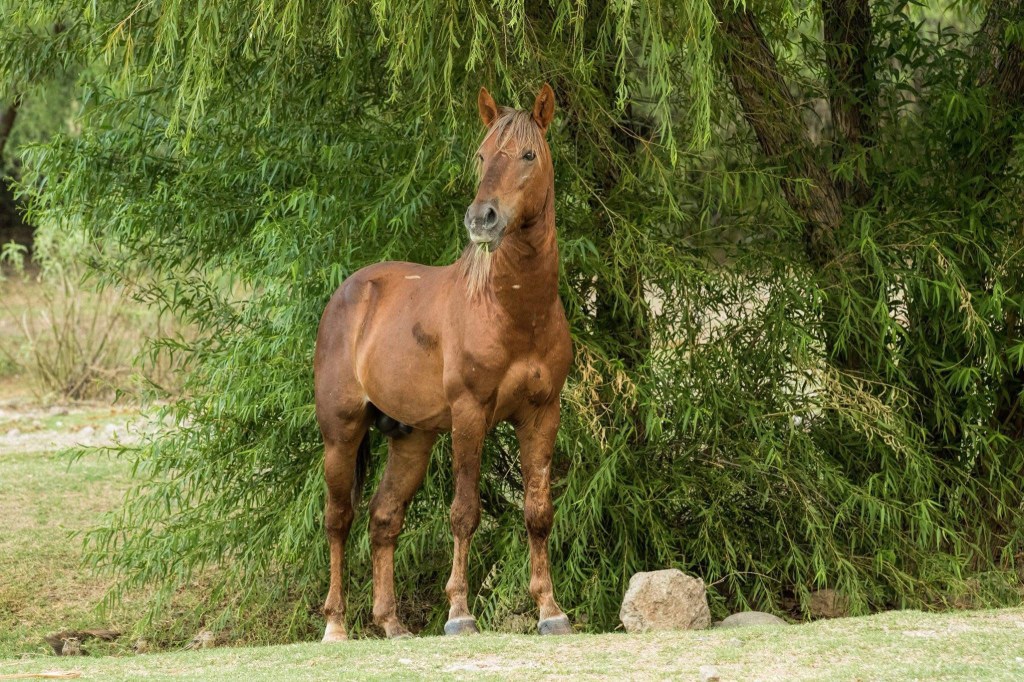
Go this summer.
Go before September.
Go while the bands are still whole.
Seeking out the Salt River Wild Horses may not have been high on my list, but I will forever keep up with their story and how they are faring.
This is part of my Paths & Patterns series, where I investigate how the places we love and the creatures that inhabit them are shaped by the world closing in around them.
A note on the photography: The images in this story were taken in collaboration with Patrick Smith, a professional photographer based in the Phoenix area. Whether you’re looking for wedding coverage, family portraits, events, or birthday sessions, Patrick is available for bookings at (602) 989-3601 or pat@ddifotography.com.
 Sharonda Shariee