Arizona, Arizona Travel, Exploration Guide, Family Travel, Field Guide, Field Notes, Living, Things-to-Do, Travel Tips

Butcher Jones Trail Guide: What 11,000 Hikers Reveal About Saguaro Lake | Tonto National Forest

Part of the Paths & Patterns Series

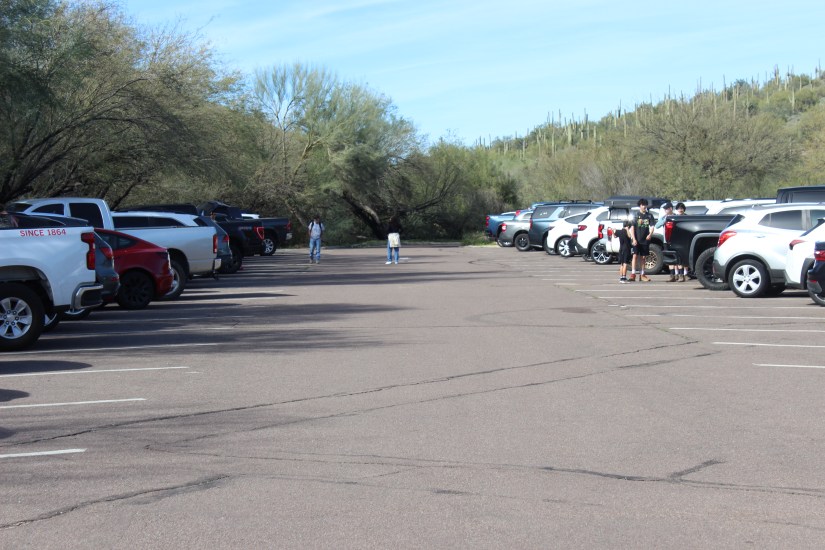
Arrived at Saguaro Canyon at 10 AM and the first thing you notice isn’t the trailheadโ€”it’s the parking lot choreography. Vehicles circling like vultures, waiting for hikers to pack up and leave, drivers nudging into spaces as quickly as possible. We circled once before surrendering to the overflow lot we’d initially passed on the way in. Immediate evidence this trail is loved hard.

Butcher Jones Trail Parking Lot

I almost died once on a hike up South Mountain’s Holbert Trail. My sister insists I was nowhere near death, but when you’re gasping for air halfway up a 1,000-foot elevation gain with no clear sense of how you’ll make it back down, semantics don’t matter much. That was my last time hiking Holbert Trail.

Recently, I wanted to investigate Butcher Jones Trail in the Tonto National Forest. Both trails are rated moderate by AllTrails.com. The key difference? Butcher Jones has a much more forgiving elevation gain at 638 feet compared to Holbert’s punishing 1,000. But what really drew me here was the numbers: 4.7 stars from approximately 11,000 hikers. When a trail gets that much traffic and maintains that rating, I want to know howโ€”and at what cost to the ecosystem.

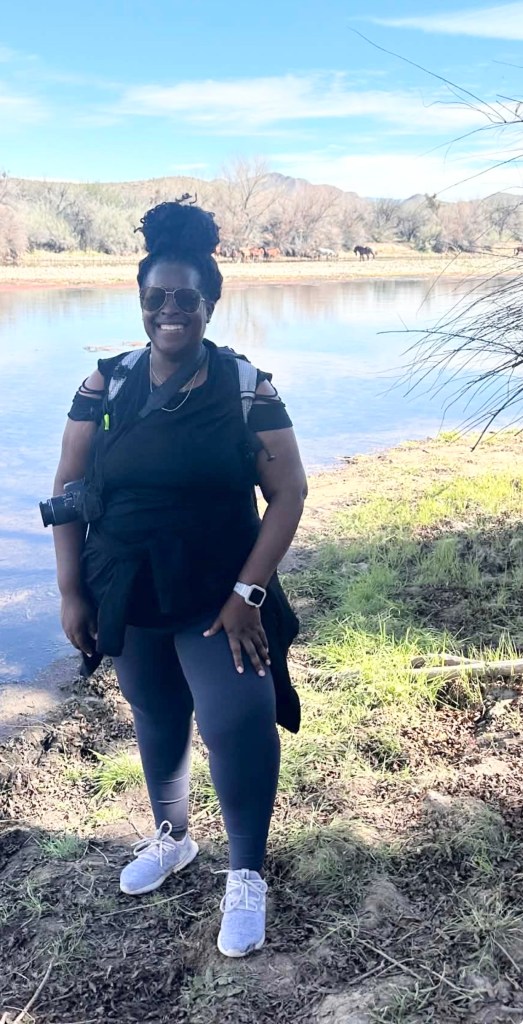
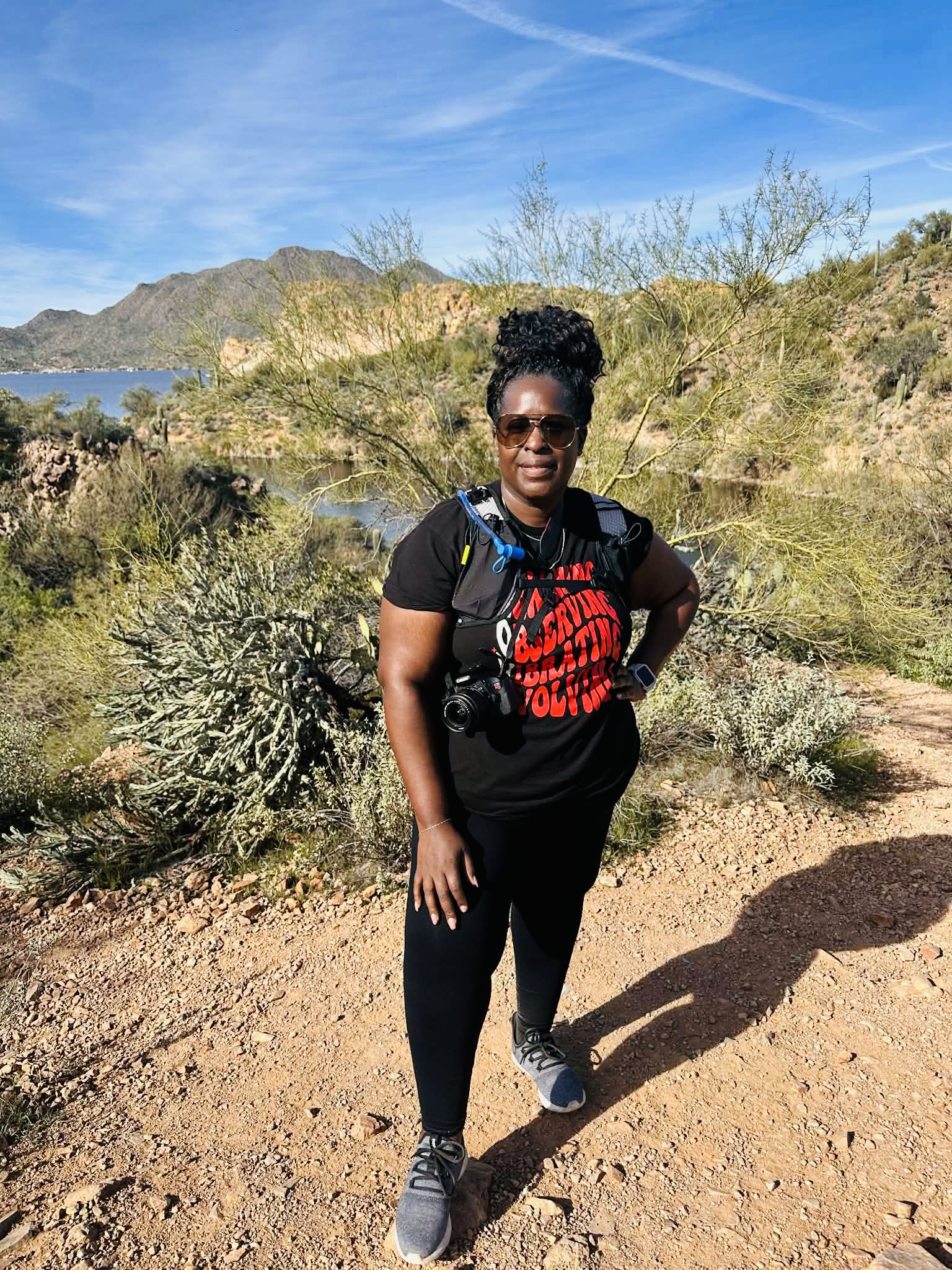
Starting the investigation with a full water pack, camera. and curiosity

THE DAM THAT CREATED SAGUARO LAKE

Butcher Jones is nestled just about an hour east of the greater Phoenix area, but the area I was about to explore didn’t exist a 100 years ago, at least not in this form. Saguaro Lake was formed by the Stewart Mountain Dam on the Salt River, built between 1928 and 1930. Once a free-flowing desert river became a reservoir serving as storage for irrigation, municipal use, and hydropower.

A Saguaro Lake Guest Ranch was built in 1927 during the construction of Stewart Mountain Dam to host workers during the build. Around 1930, once the dam was complete, a couple from Kansas purchased the land to be turned into a public use area. The transition from industrial construction site to recreation destination was complete. Fishermen came first, then hikers, thenโ€ฆ the Instagram and TikTok generation with their 11,000 AllTrails reviews.

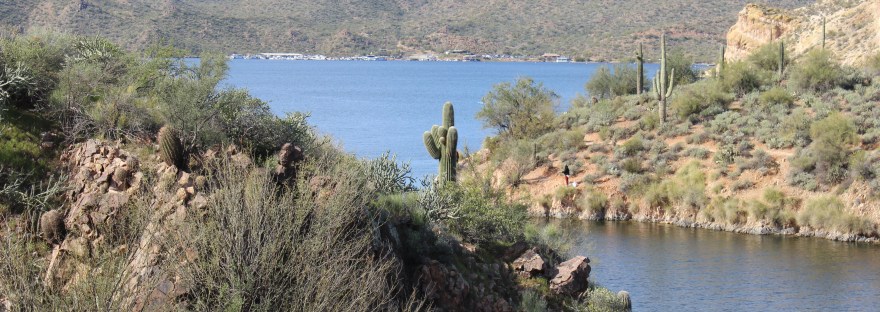
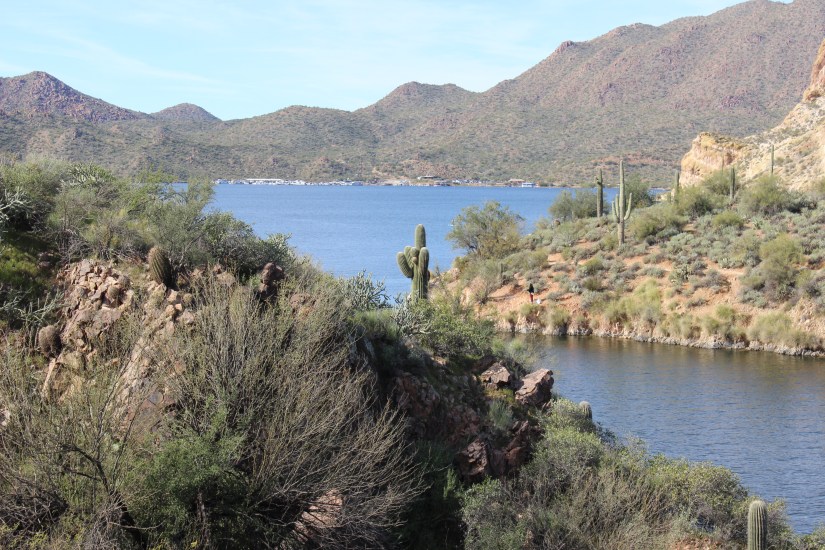
Saguaro Lake at Tonto National Forest

This trail wasn’t built for scenic overlooks or social media sunsets. It was constructed for one functional purpose: giving fishermen access to the lake. But somewhere between then and now, it became one of Tonto National Forest’s most-visited sites. The land has been responding ever since.

The wildlife and Saguaro Lake remain open to the public for fishing and hiking with an Arizona Fishing Permit from Arizona Game & Fish and/or a Tonto Forest Parking Pass.


FIRST SIGNS OF STRAIN

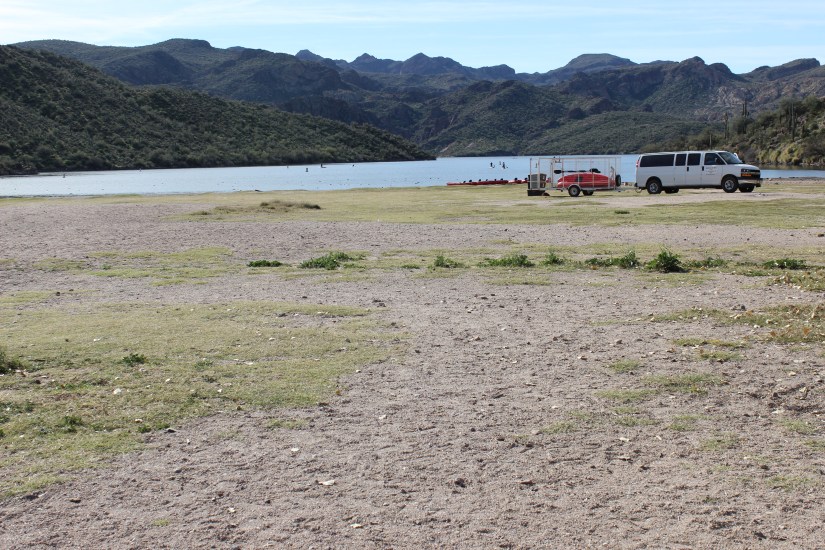
We fitted our water packs on our backsโ€”pre-filled with chilled water bladders, protein bars, grapes, and hand sanitizerโ€”and made our way through the bare recreational area near the lake. I took in the serene Saguaro Lake, then looked down at the ground beneath my feet: bare earth where grass once grew. This area hosts picnics, volleyball games, and serves as the launch point for fishermen entering the lake with their kayaks. The soil was packed hard, compacted by thousands of footsteps, coolers, and kayak launches.

Recreation Area at Saguaro Lake

A couple passing offered the advice of figuring out something else because: “The bathrooms are in dire need of attention.” Another small indicator of infrastructure struggling to keep pace with popularity.

TIP: Find the nearest restroom closest to Butcher Jones Trail before making the final trek into the Tonto National Forest.

THE TRAIL TELLS ITS STORY

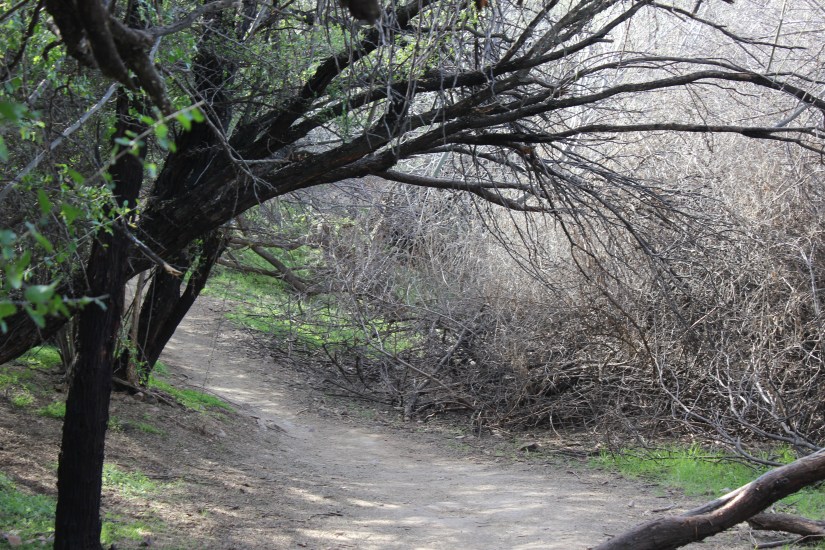
Immediately upon entry onto the trail, I noticed evidence of reroutingโ€”new pathways carved to guide hikers away from eroded sections. Trail rerouting is one of the clearest signs that Butcher Jones has endured significant erosion over the years. The original path, worn down by boots and weather.

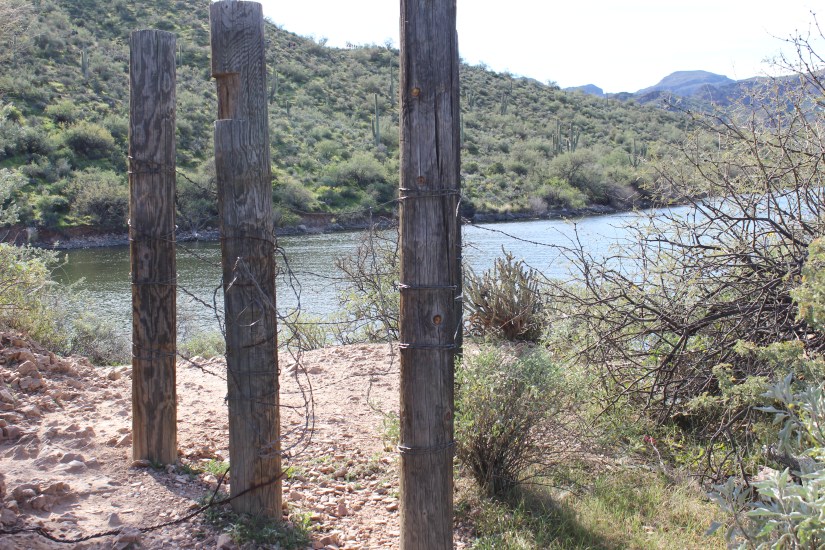
Further along, I spotted wooden posts wrapped in barbed wireโ€”signs of an older redirect attempt. The posts stood weathered and half-buried, marking what was likely a previous effort to keep hikers on a designated path. Over time, even redirected trails can fail. Erosion doesn’t stop just because you move the route; it follows the foot traffic. These posts were evidence that this trail has been fighting the same battle for decades: how to guide thousands of hikers without letting the land wear away beneath them.

Butcher Jones Trail Posts and Wire Rerouting

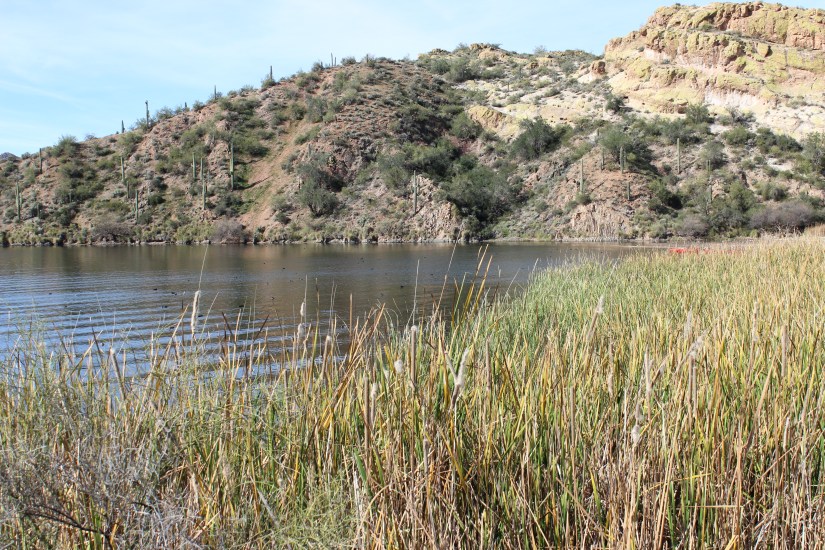
As the trail descended, it became very rockyโ€”loose stones shifting underfoot, requiring careful placement of each step. But eventually it smoothed out as we headed back toward the ascent. I paused to witness Saguaro Lake from the opposite direction: beautiful and serene despite the busy day of traffic on the trail. The contrast was strikingโ€”nature’s quiet whisper alongside human activity.

Butcher Jones Trail

There was chatter from the group behind me that they hadn’t seen the trail as busy as it was that day. Halfway through the trail, I made the decision not to attempt the full ascent. My body has changed since my breast cancer journey (more on that here), and I’m still learning what it can handle now. In a way, I’m adapting to new limits just like the Butcher Jones Trail isโ€”both of us responding to forces that reshaped us, finding new ways to function despite the wear.

Saguaro Lake on the Back Side of Butcher Jones Trail

In Arizona, this kind of self-awareness isn’t weaknessโ€”it’s survival. The Phoenix-area trails see hundreds of rescue calls every year. Knowing when to turn back can be the difference between a good story and a cautionary tale.

WHERE DID THE WILDLIFE GO?

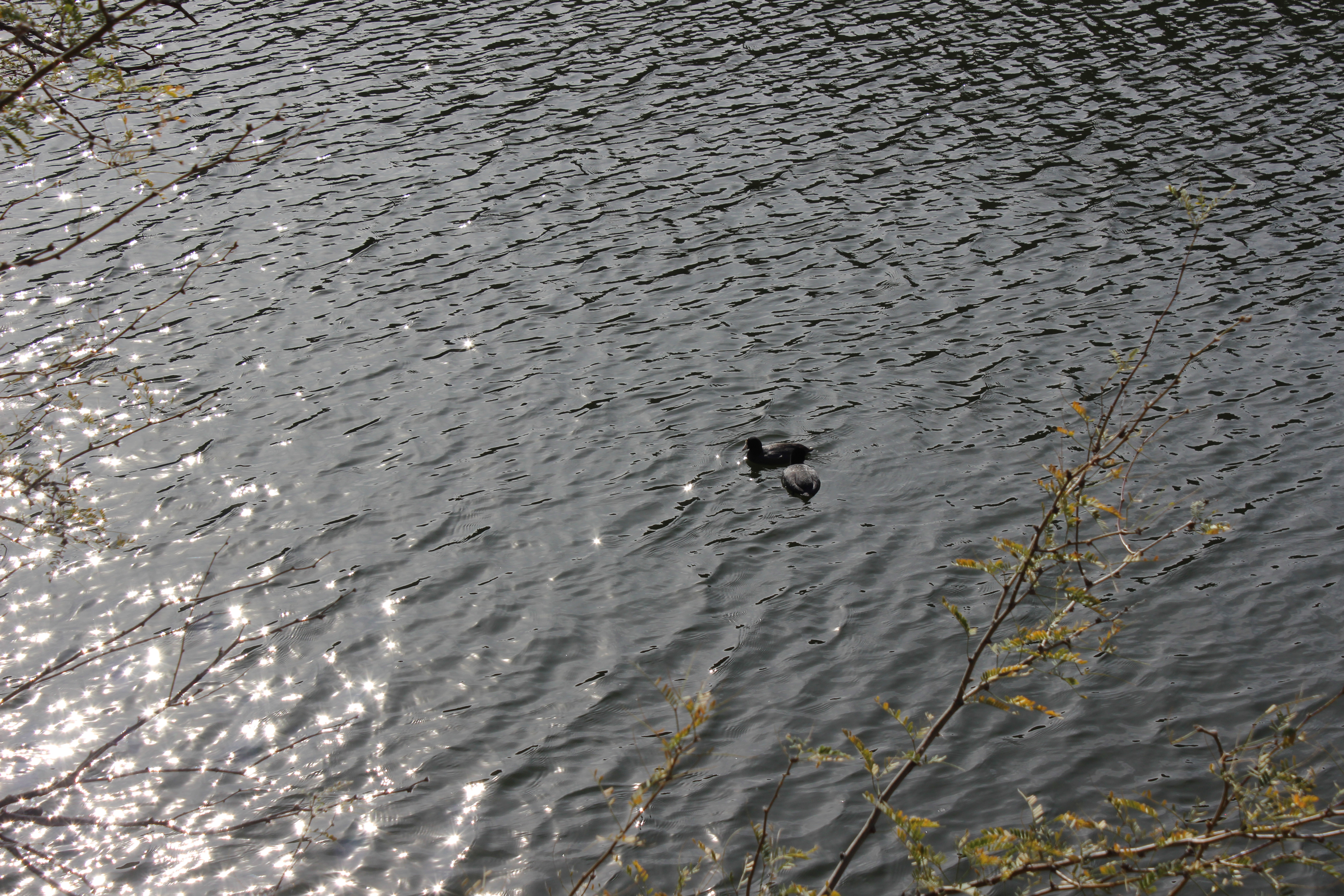
As we made our way back, I began to wonder why I’d seen no creatures besides ducks paddling quietly in the lake. I imagined even the smallest insect would land nearby for me to observe and capture. Nothing.

Ducks on Saguaro Lake near Butcher Jones Trail

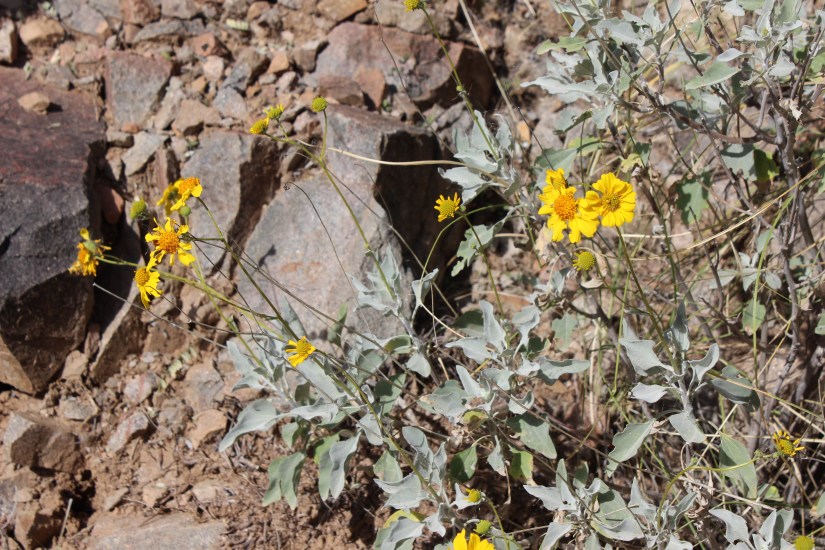
But thenโ€”a splash of color. Vibrant yellow flowers clustered along the trail’s edge, the only bright color in a brown and green desert palette. They seemed unbothered by the foot traffic, thriving in spaces where wildlife had retreated. Apparently, the animals had learned to avoid us, these wildflowers held their ground, blooming despite of.

Desert Marigolds at Butcher Jones Trail

I’m left wondering if the wildlife in the area have learned to yield to pedestriansโ€”retreating during peak human hours, laying low so-to-speak, before returning to their routines when foot traffic diminishes. Desert animals are adaptive by necessity. Perhaps they’ve simply adjusted their schedules around ours.

It’s a pattern I’ve noticed before: in my whale watching investigation here, I witnessed how Navy sonar disrupted migration routes, turning whales back north when they should have been heading south. Here, on Butcher Jones, the disruption is quieter but just as real. We don’t use sonar, but our presenceโ€”our volume, our numbers, our footprintsโ€”shapes behavior just the same.

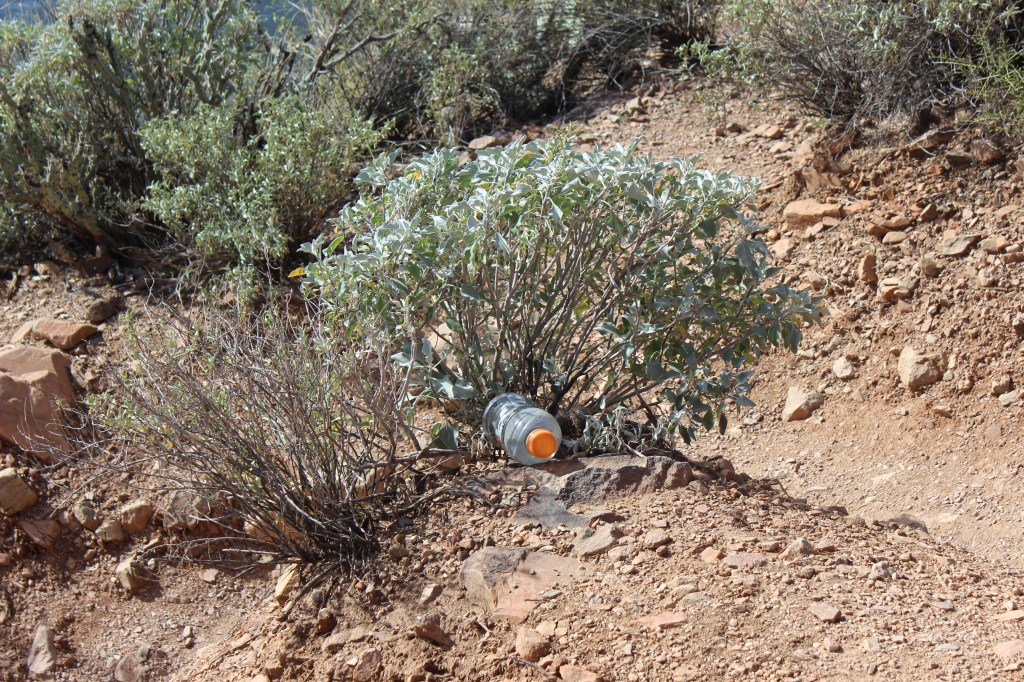
TIP: To keep the trail clean for future hikers and wildlife in the area, be sure to pack out all trash. What you leave behind doesn’t just affect the next human visitorโ€”it affects the creatures trying to reclaim their space when we’re gone.


FINAL THOUGHTS: WHAT I CAME HERE TO NOTICE

What I intended to investigate:
How a trail rated 4.7 stars by 11,000 hikers holds up under that much loveโ€”and what it costs the ecosystem.

What I didn’t expect to see:
Bare ground where grass once grew, visible before I even reached the trailhead. The pressure doesn’t start on the trail itself. It starts in the parking lot, in the recreational area, in the small infrastructure struggles that signal a place stretched beyond its original design.

What I’m still wondering:
At what point does popularity kill the thing we came to see? Butcher Jones was built for fishermen in an era when a few hundred people might visit in a season. Now it hosts thousands. The trail has been rerouted. The grass is gone. The wildlife seems absent. The bathrooms are failing miserably.

And yetโ€”it endures. The lake still reflects the canyon walls. The trail, though eroded in places, still guides us to views that take our breath away. There’s resilience here.

How I’m part of this:
I circled that parking lot. I added my footprints to the widened trail sections. I’m investigating this story while contributing to it, one more hiker among 11,000, one more person testing the boundaries of what a place can withstand. That tension matters.


Butcher Jones Trail Stats:

Distance: 4.8 miles out and back

  • Elevation Gain: 638 feet
  • Difficulty: Moderate
  • AllTrails Rating: 4.7 stars (approx. 11,000 reviews)
  • Location: Tonto National Forest, approximately 1 hour east of Phoenix
  • Permits Required: Tonto Forest Parking Pass and/or Arizona Fishing Permit (if fishing)

This is part of my Paths & Patterns seriesโ€”where I investigate how places and the people who love them shape each other. The goal isn’t to deter exploration. Explore with intention and attention, recognizing we’re all part of the story. The places we explore need us to see them, love them, and show up with curiosity and awareness.


Leave a comment

USA Today Wine and Food Experience
Arizona Travel, Field Guide, Food Festivals, review

USA Today Wine & Food Experience Review: Should This Festival Make Your Annual List?


Your Field Guide to the USA Today Wine & Food Experience

I went. I experienced it. Hereโ€™s what you need to know.

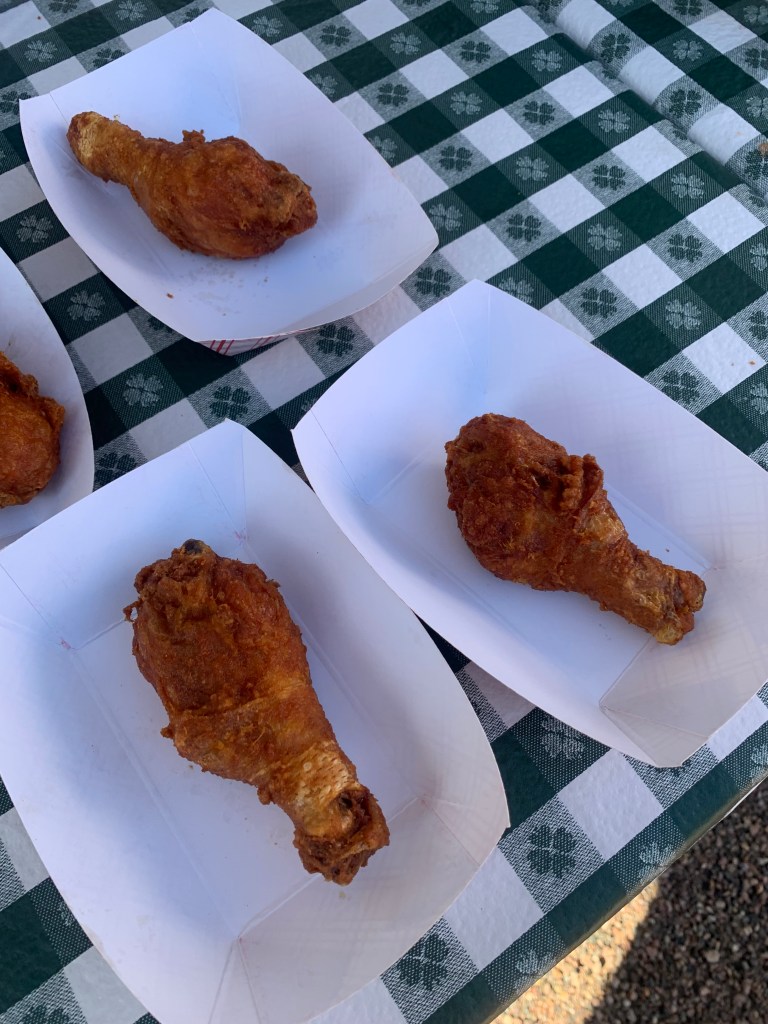
“If Gusโ€™s Fried Chicken is at the festival, get in that line first.” A seasoned festival-goer shared this rule with me while we waited at the gates of the USA Today Wine & Food Experience, and she was right. One bite of the piping-hot chicken leg, perfectly seasoned with a hint of spice, set the tone for everything that followed.

Spring and fall kick off the festival season here in Arizona (we skip summer for obvious reason ๐Ÿ˜…), but the USA Today Wine & Food Experience deserves a spot on your list every year, no matter the season.

After see the USA Today Wine & Food Experience advertised on every social platform, I finally gave in and bought tickets to see if the hype was real. General Admission tickets were $65.00. Worth it.

TIP: Always take advantage of presale pricing. In some cases, you can save up to $20 per ticket.


Location, Parking, and Arrival Experience

The festival takes place at an outdoor venue space on High Street in Scottsdale, Arizona. We arrived about an hour early to get in line, which turned out to be a great move.

Parking was easy and stress-free. We parked in the surface lot for free, and there was also a parking garage available for overflow parking. That was complimentary for the event day as wellโ€”no validation required.


Entry Process and What’s Included with Admission

While waiting in line, the couple behind us asked if weโ€™d attended the USA Today Wine & Food Experience in previous years. We hadnโ€™tโ€”but they had.

We asked if early entry was worth the extra cost as we watched early entrants already enjoying the festival. Their answer? No.

After finishing the festival ourselves, we completely agreed. Everything is still available during standard entry hours (1 PMโ€“4 PM), and the lines move surprisingly fast. You wonโ€™t miss out by skipping early access.


Entry Process and Whatโ€™s Included With Admission

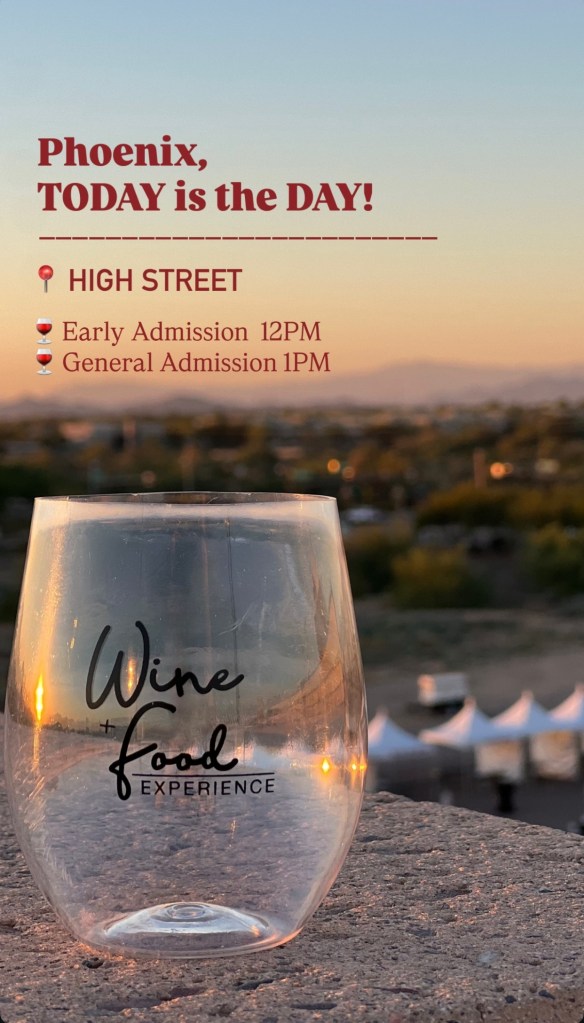
Before the gates opened, vendor staff walked the line to check IDs and place wristbands on everyone. Once security opened the gates, we were handed plastic wine glassesโ€”and just like that, we were on our way.

Once inside, there are no additional costs. All wine and food samples are included with admission, which makes it easy to relax and enjoy without constantly pulling out your wallet.

TIP: Restrooms and hand-washing stations were easy to find, but also bring your hand-santizer.


Food, Wine, and the Gusโ€™s Fried Chicken Rule

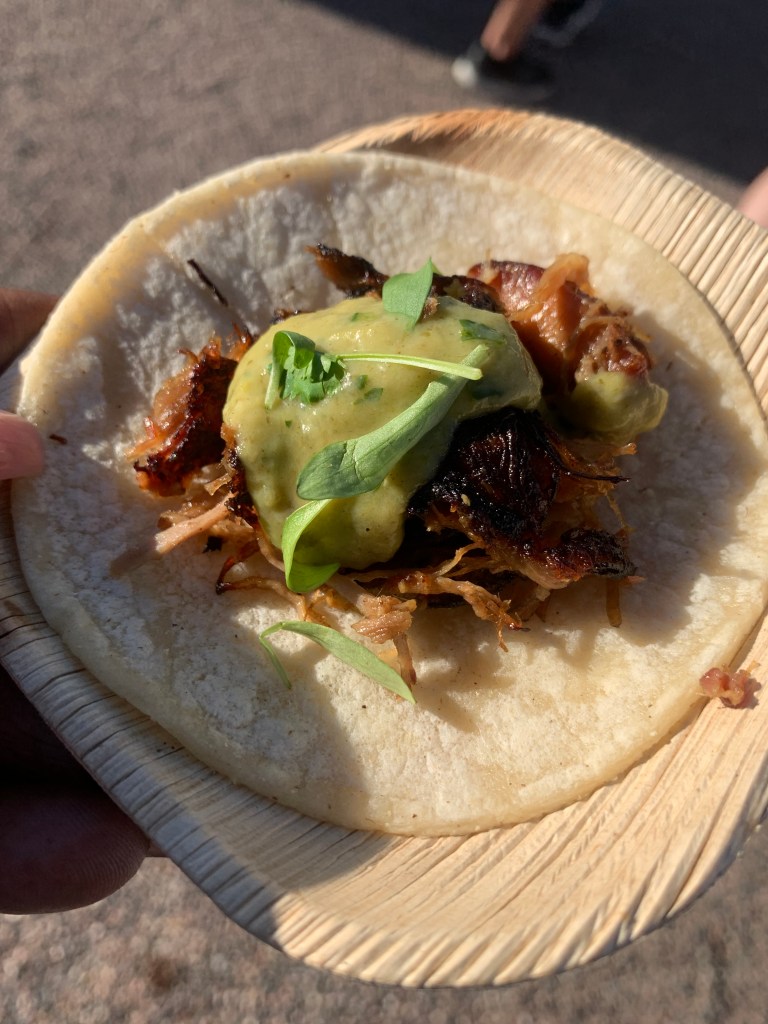
Most vendors offered small bites and wine samplesโ€”except for Gusโ€™s Fried Chicken.
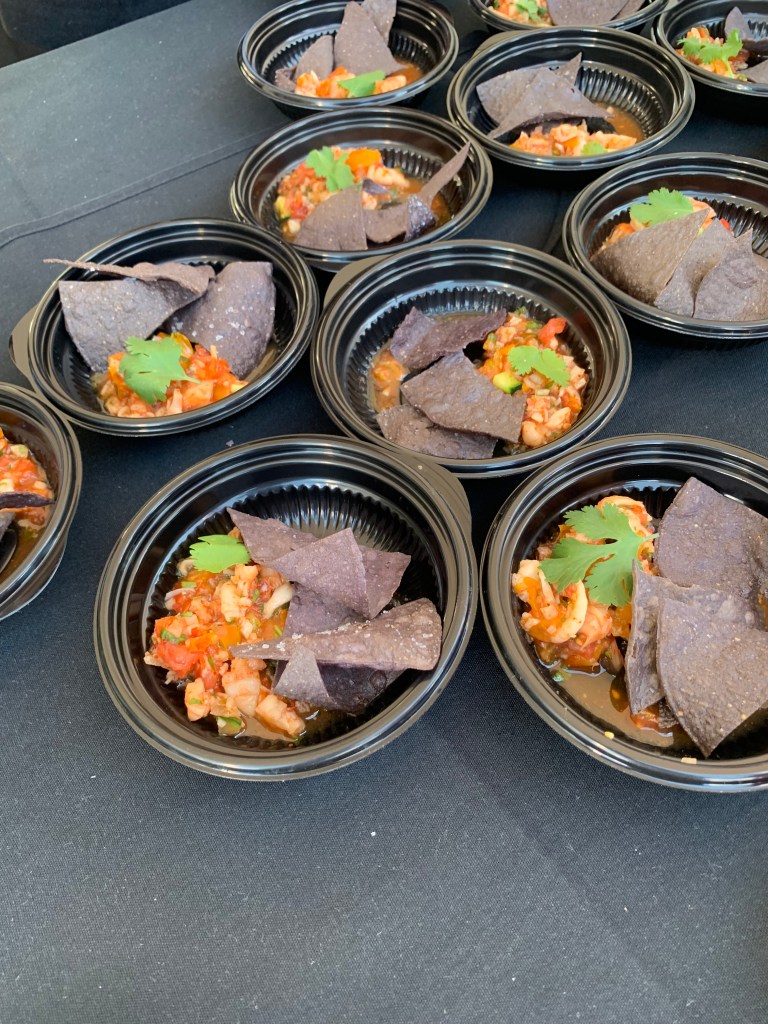
Gusโ€™s was by far the most popular vendor at the festival, handing out regular-sized chicken thighs and legs. A seasoned festival-goer shared an important rule with us: If Gusโ€™s is at the festival, get in line first.

Even though the line looked long, we were through it in about five minutes. At first, I thought the portions were smallโ€ฆ until I realized we hadnโ€™t even made it halfway around the festival and I was already full.

There were plenty of seating areas and tall, stand-up tables scattered throughout the venue, making it easy to take breaks as needed.

The festival also had a well-curated playlist that set the vibe without overpowering conversations. Just enough energy to keep you moving in between booths.

TIP: Complimentary bottled water is provided. Bring a small bag to stash vendor freebies.


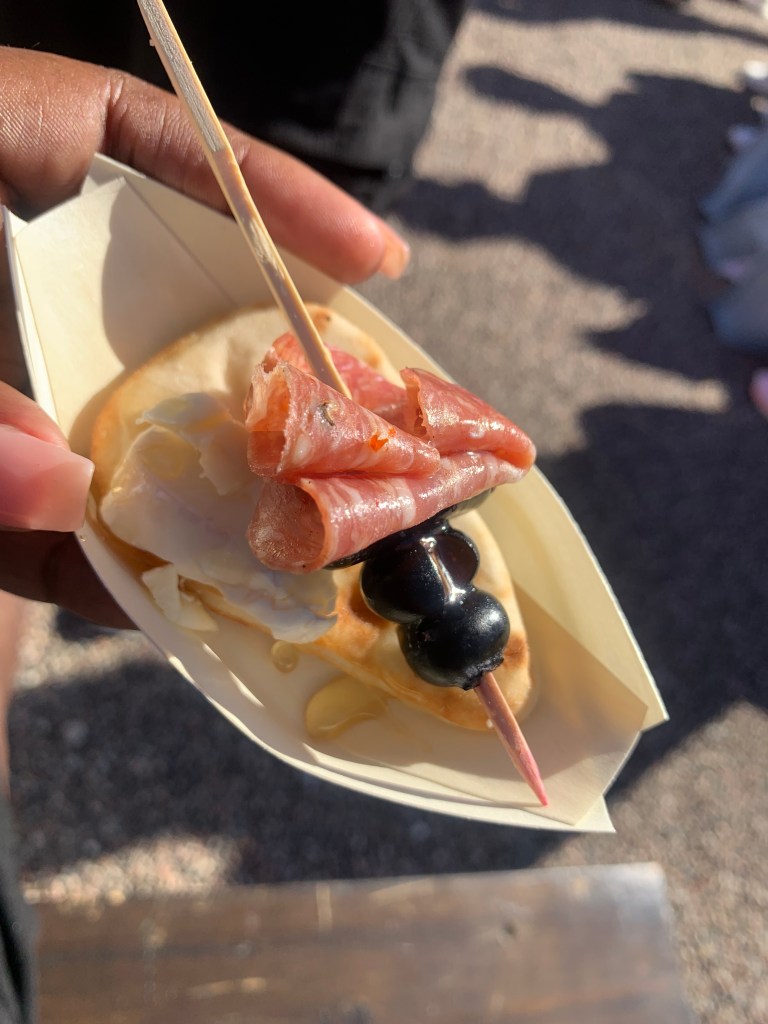
Standout Bites and Favorite Festival Moments

One of my standout moments was having one of the best lamb chops Iโ€™ve ever eaten. The Country Financial sponsored lounge-style seating had lamb chops straight off the flamed grill from the steakhouse, Ocean Prime.


I took one bite and immediately took a photo to remember the moment.


Some vendors featured at the festival included:

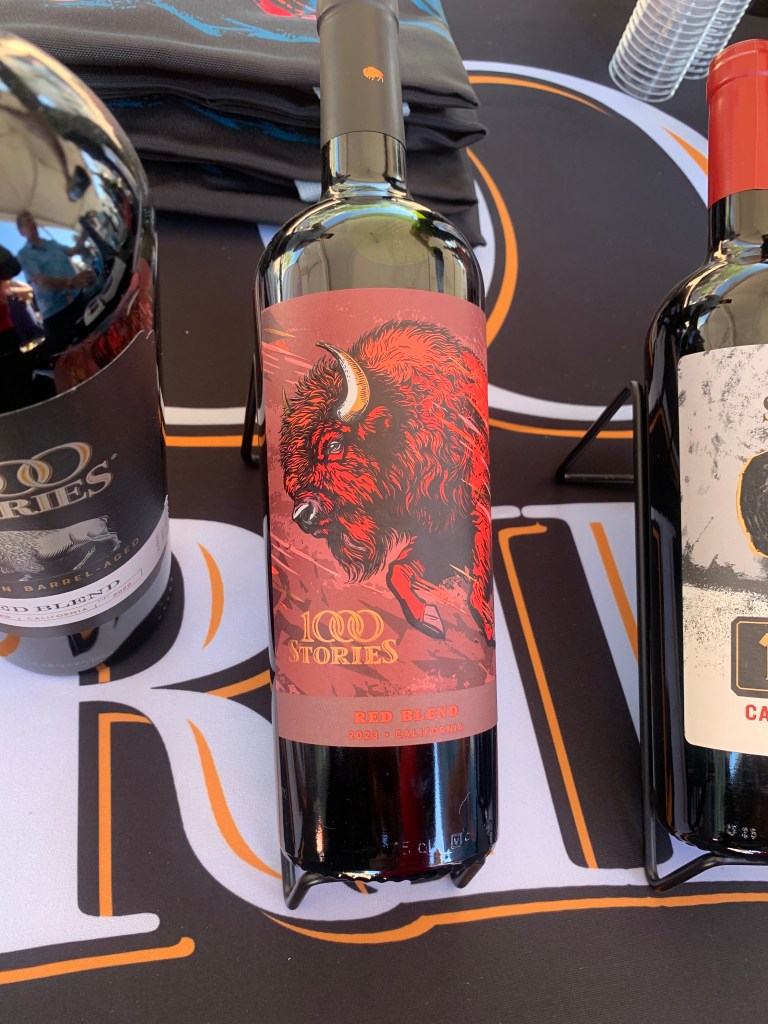
1000 Stories
Benovia Winery
California Fish Grill Casual Kitchen
Casamigos
El Bandido Yankee Tequila
Fetzer
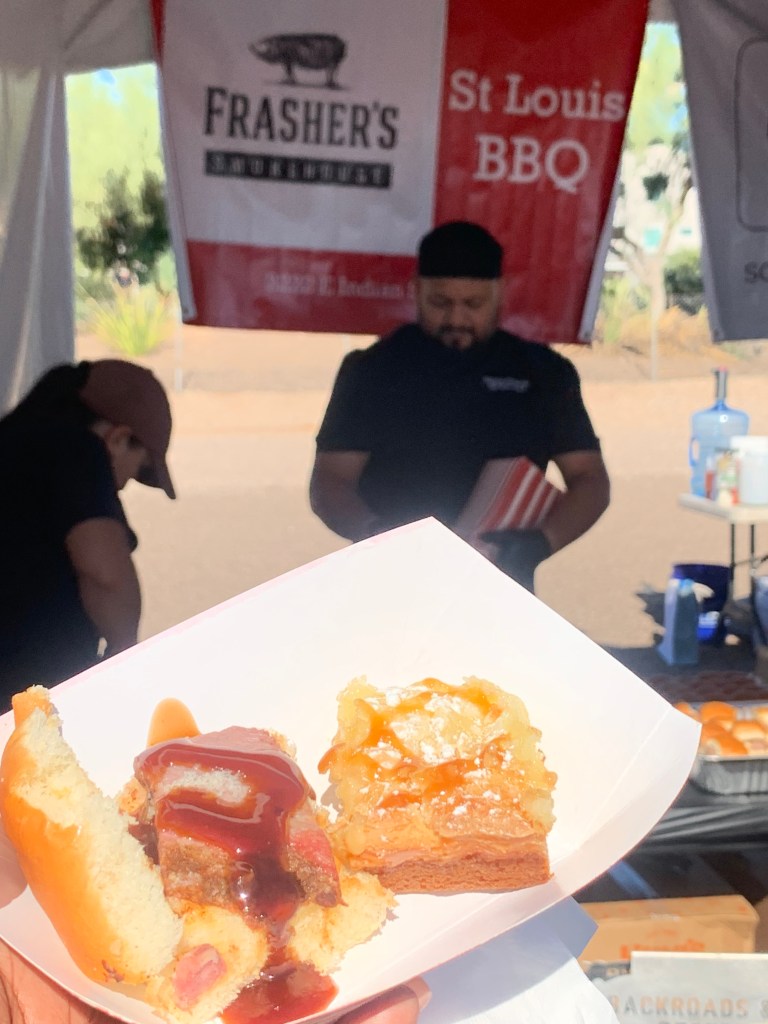
Frasher’s Steakhouse & BBQ
Gus’s Fried Chicken
Humble Bistro
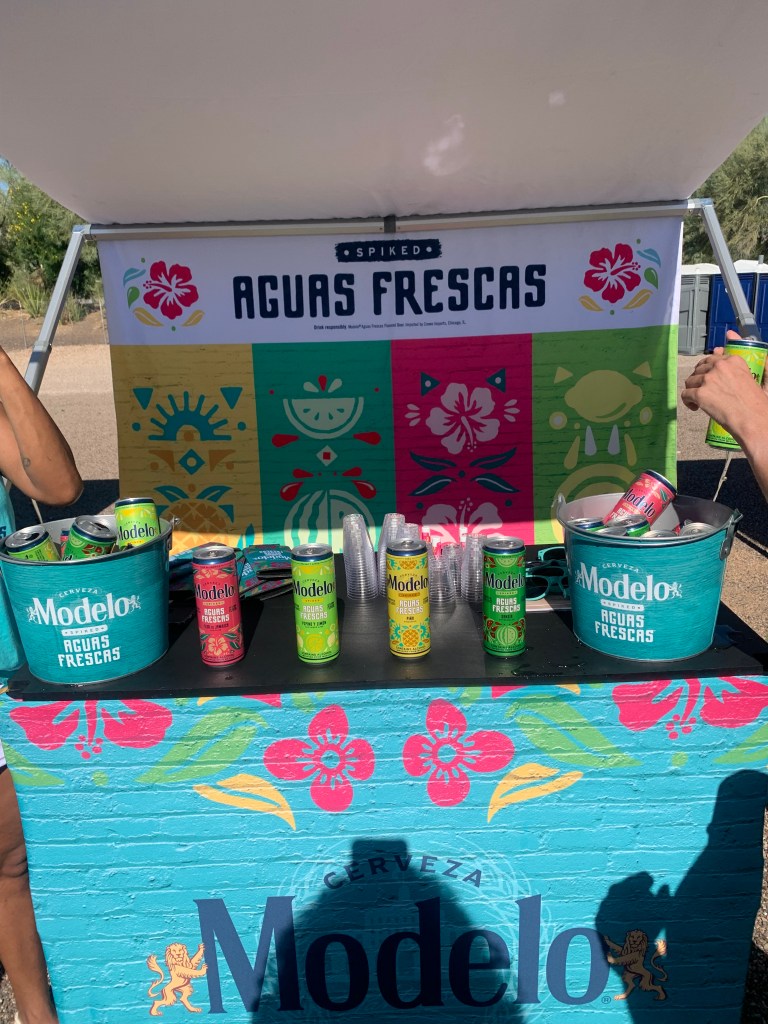
Modelo
Nosh & Por
Ocean Prime Seafood & Steak
Rancho La Glforia
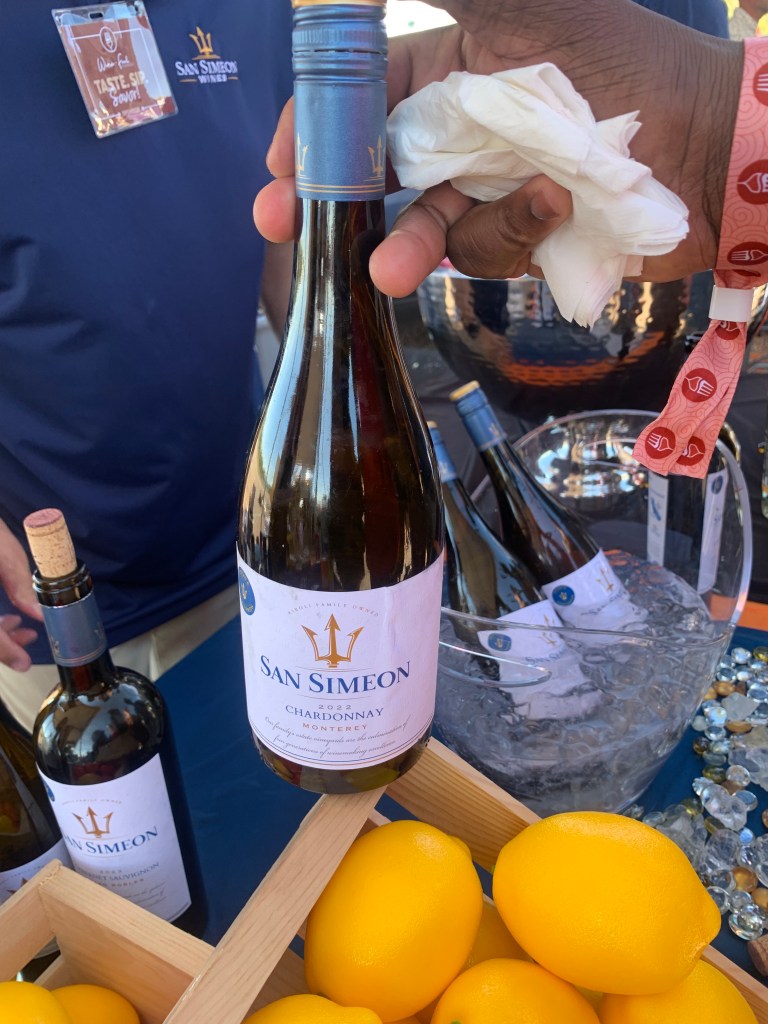
San Simeon Wines
Titos

And Many More!


Wine, Spirits, and Pacing Yourself

Toward the end, I was officially tapping out and found a shaded seat where I stayed for a while, while my husband continued his journey through bourbon, whiskey, and liquor tastings.

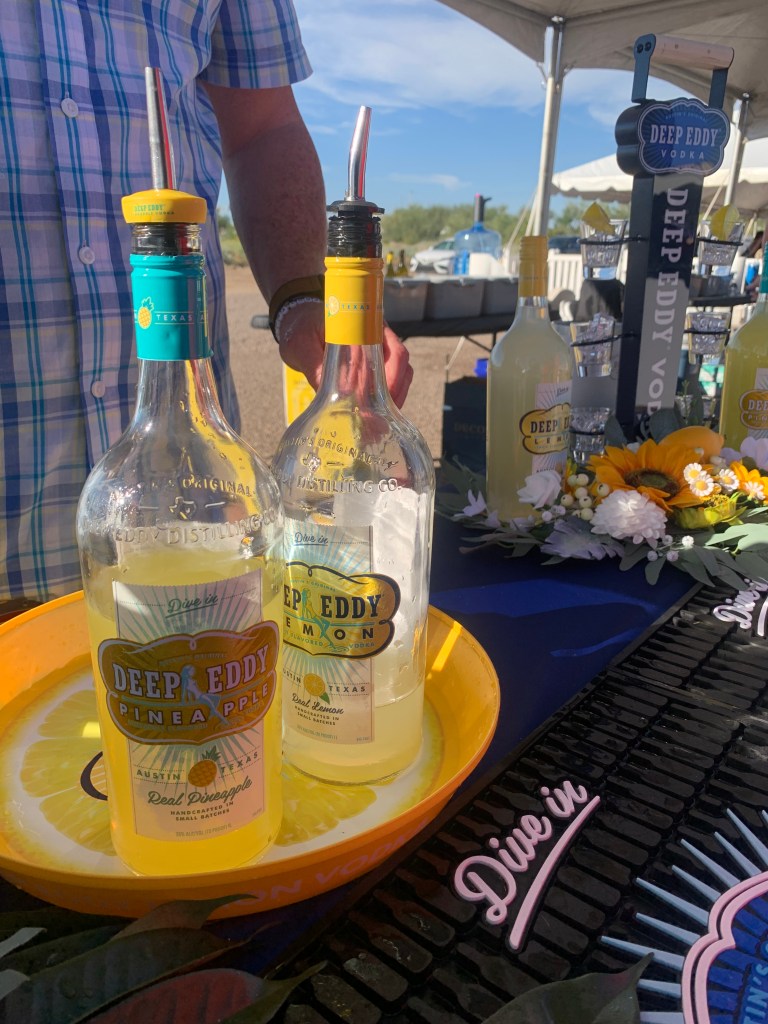
Even though itโ€™s the Wine & Food Experience, there were definitely some heavy hitters in the spirits category as well.

TIP: Always designate a driver before participating in tastings.


How Long to Expect to Stay

After making our roundsโ€”and doubling back to our favoritesโ€”we headed out.
Total time inside the event: about 2.5 hours.

It was the perfect amount of time to enjoy everything without feeling rushed or overwhelmed.


Final Verdict: Is the USA Today Wine & Food Experience Worth It?

The USA Today Wine & Food Experience is officially on our permanent annual list. We couldnโ€™t stop saying how much of a good time it wasโ€”and honestly, thatโ€™s the best kind of review.

If you love great food, good wine, and a well-organized festival experience, this one absolutely delivers.


Subscribe so you never miss a Field Guideโ€”and tell me, whatโ€™s your favorite festival?

Thank you for subscribing!

Please check your email to confirming your subscription.

Uncategorized

8 Non-Fiction Books That Will Transform Your Thinking – A Curated List


I mostly read non-fiction, with just a little fiction mixed in, so my recommendations, of year’s past definitely lean that way. And letโ€™s be honest, thereโ€™s no shortage of self-help books or celebrity life stories out there, and after a while, a lot of them start to sound the same. These are a few that really stood out to me over the years. The Top Non-Fiction Book Recommendations That Inspire, Transform, and Educate.

Each book title or cover links to Amazon, so you can snag a copy and start reading. Highlighting and note-taking encouraged!


Atomic Habits –
James Clear

Atomic Habits is one of those books that actually lives up to the hype. It breaks down how small, everyday habits can lead to big, lasting change without feeling overwhelming. I appreciated how practical and relatable it was. No fluff, just simple shifts that are easy to apply in real life, to any area. Itโ€™s the kind of book that quietly changes the way you approach your routines and goals.


The Garden Within –
Dr. Anita Phillips

The Garden Within is a fascinating read that blends science, psychology, and spirituality. I loved it because it explores how God created us in ways that mirror the natural world, showing how our minds and hearts are deeply connected to the patterns of life around us. It gives you a new way of seeing yourself and the world.


What Happened To You? –
Bruce D. Perry &

Oprah Winfrey

What Happened to You is an exploration of how our early life experiences shape who we become. Oprah and Dr. Bruce Perry dive into trauma, resilience, and healing with compassion and insight. I found myself gasped so much along the way, and the book shifts the focus from asking โ€œWhatโ€™s wrong with you?โ€ to the more meaningful question, โ€œWhat happened to you?โ€ Itโ€™s eye-opening, thoughtful, and causes you to pause when observing the world.


Pro Tip:

Audiobooks read by the author are superior, but for non-fiction, having a copy to highlight and take notes makes it easier to revisit and reference over the years.


Finding Me –
Viola Davis

I thoroughly enjoyed Viola Davisโ€™s book and was honestly shocked by her story. There were so many moments where I learned something new, and a few times I had to put it down just to process what she went throughโ€”especially hearing about her experiences as a child. Having Viola read the audiobook in her own voice made it even more powerful and emotional. Itโ€™s raw and unforgettable, and itโ€™s definitely a read Iโ€™ll remember forever.


The Power of Now –
Eckhart Tolle

Let’s be real, there are a lot of “self-help” books out there so I’m not sure how I found this gem, but I’m glad I did. If you’ve found yourself living in the past, or like me, constantly thinking about the future, instead of living in the NOW then I highly suggest you read The Power of Now.


Year of Yes –
Shonda Rhimes

If you live life by routine, afraid to step out of your comfort zone, find yourself as an introvert but constantly think what if, The Year of Yes by Shonda Rhimes is a go-to narrative on how to get started saying Yes to things you normally wouldn’t do.


The Four Agreements –
Don Miguel Ruiz

This book has floated around the web, been the topic of many conversations for years. The Four Agreements Ruiz covers are: Be impeccable with your word; Don’t take anything personally. Don’t make assumptions. Always do your best. Pick it up, as a starting point for every part of life.


The War of Art –
Steven Pressfield

Years ago, when I thought to start my blog, I researched all things blogging and how to get out there and start writing. I came across, the War of Art. This book is not only for writers, but anyone who is in a creative space, or have a “thing” they keep putting off but know in your heart it is what you’re suppose to be doing. Your passion. Why do we do that, put things off, needing it to be “perfect”? This book gives insight on why and how to overcome this obstacle that we battle within us.


Final Thoughts

These books stand out to me not because they promise quick fixes, but because they leave a lasting impact. Each one offers perspective, honesty, and lessons that I reference when attempting to be a better version of myself.

If you enjoy meaningful non-fiction that challenges the way you think and feel, I hope one of these resonates with you as much as they do with me.

For My Other Book Recommendations – Click Here

Progress with Presence.

Onward, curious
Sharonda

Expeditions, Exploration Guide, Family Travel, Field Notes, Living, Mission Bay, Newport Beach, San Diego, Travel Tips, Whale Watching

Whale Watching Exploration: Hidden Challenges Beneath the Waves โ€“ When Sonar Meets Migration


Whale Watching Exploration: Hidden Challenges Beneath the Waves โ€“ When Sonar Meets Migration

Whale watching is one of those rare nature experiences that can transform the way you think about the ocean. In Paths & Patterns, my series on following the rhythms of nature and uncovering the stories beneath the surface, this adventure gave me a front-row seat to the whalesโ€™ migration and the hidden pressures they face. Itโ€™s not just about sightings; itโ€™s about understanding the rhythm of migration. The delicacy of marine ecosystems, and the often unseen forces that shape these majestic giantsโ€™ journeys.

On our day out of San Diegoโ€™s Mission Bay, we boarded one of the fastest vessels on the water, the Hana Hou. Having been whale watching countless times before, and never experiencing anything quite like this, we knew early on this outing was different. This high-speed power catamaran cruises at over 30 mph, covering more ocean and improving sighting chances. We were treated to a few gray whales migrating south, playful dolphins, and sun-bathing sea lions. A vivid reminder of how dynamic and rich these waters can be when conditions align.

Hana Hou Gone Whale Watching Catamaran

But the peaceful picture wasnโ€™t the whole story. As we watched a U.S. Navy warship operating surprisingly close to shore, I had a realization. I thought about the broader pressures whales face. These pressures come not just from nature, but from human activity.


When Sonar Meets Migration: What the Law Says

Whales rely on sound for communication, navigation, feeding, and migration. Yet military sonar, particularly mid-frequency active (MFA) sonar, produces intense underwater noise that can disrupt these behaviors, sometimes with profound consequences. As we watched, the sonar signal we could hear with our human ears was no doubt magnified beneath the ocean, knocking the whales off their migration route and even turning them back north instead of their intended southbound path.

Image of the USS San Diego Navy Ship we witnessed utilizing sonar – DefenseNews.com

Under U.S. law, the Marine Mammal Protection Act (MMPA) and other regulations govern activities that might incidentally impact marine mammals. The National Oceanic and Atmospheric Administration (NOAA) Fisheries issues Incidental Take Authorizations (ITAs), which allow limited and unavoidable harmโ€”such as disturbance or injuryโ€”during training and testing while still requiring measures to minimize those effects.

After witnessing the gray whalesโ€™ confusion firsthand, itโ€™s easy to see why environmental groups have fought for stronger constraints on Navy sonar. In Southern California, legal settlements now prohibit mid-frequency active sonar in key feeding and habitat areas, such as between Santa Catalina and San Nicolas Islands and near San Diegoโ€™s whale feeding grounds.

Blue Whale Tail Breaching

Laws Whale Watchers Should Know

Itโ€™s not just Navy sonar that matters. Commercial and recreational boaters are regulated, too. The federal government, through NOAA Fisheries and the MMPA, prohibits actions that harass or disturb marine mammals, including approaching them too closely or causing them to change their natural behavior.

Vessels like the one we were traveling on are generally expected to maintain respectful distances, often hundreds of yards depending on species and location. The vessels avoid pursuing or encircling animals. Once our captain realized the whales were being turned around, we left the area to give them space to return to their intended path. These guidelines are more than etiquette; theyโ€™re enforceable under federal law, and reporting violations can help protect these magnificent creatures.

Gray whales surfacing – Expedition with Gone Whale Watching

Whale & Wildlife Expeditions: Options From Budget to Premium

If youโ€™re planning your own whale watching expedition, whether in San Diego or another coastal destination, thereโ€™s a wide spectrum of tours depending on budget, duration, and how deep you want the experience to be:

  1. Budget-Friendly Voyages ($60โ€“$75)
    City Cruises whale watching tours typically range from $60 to $75 for a standard 2โ€“2.5-hour trip.

TIP: Check other local operators offering short trips. Shorter trips give you a taste of migration without breaking the bank.

2. High-Speed & Small Group Experiences ($60โ€“$110+) Gone Whale Watchingโ€™s Hana Hou offers fast, small-group tours starting around $60, with more intimate encounters thanks to less crowded vessels.

3. Extended & Premium Expeditions ($190โ€“$325)
Longer, 5-hour or extended whale watching and offshore wildlife toursโ€”often during peak blue whale seasonโ€”can cost $190โ€“$325 per person

For a practical checklist to make the most of your whale watching adventure, check out my free downloadable [Fathom the Journey – Whale Watching Exploration Guide below], designed to help you see more, stay safe, and fully enjoy the journey.


Final Thoughts: Whales, Waves, and What We Leave Behind

Whale watching is more than a bucket-list activity. Itโ€™s a front-row seat to the vulnerability and resilience of some of the planetโ€™s most magnificent creatures. Beyond the whale blows, deep dives, and playful dolphins, we get a glimpse of the complex pressures these animals navigate every day.

In Paths & Patterns, I focus on observing these rhythms, whether in whales, birds, or other wildlife that are affected by human activity, to better understand the delicate balance of marine and wildlife ecosystems. On that San Diego day, watching gray whales glide through the Pacific while a Navy ship loomed nearby was a moment of wonder and reflection.

This is more than a single adventure, itโ€™s part of the Fathom the Journey ethos: where every trip is a story, and every experience is an opportunity to connect, reflect, and explore.